Categories
Event

‘Drop gory details, start being constructive’

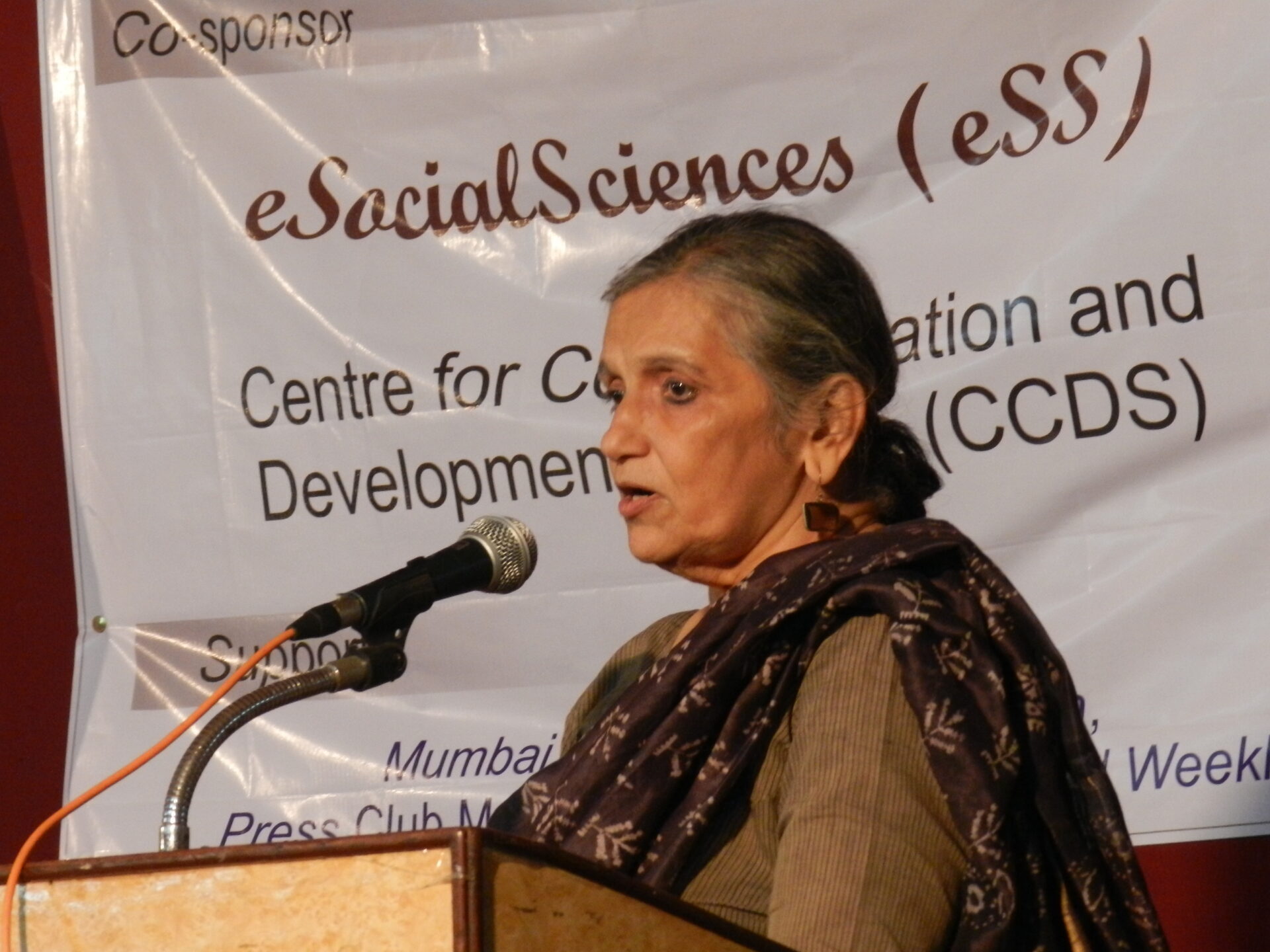
This was lawyer Flavia Agnes’ advice to the media at the 10th annual meet of women journalists that concluded recently.
by Shubha Khandekar

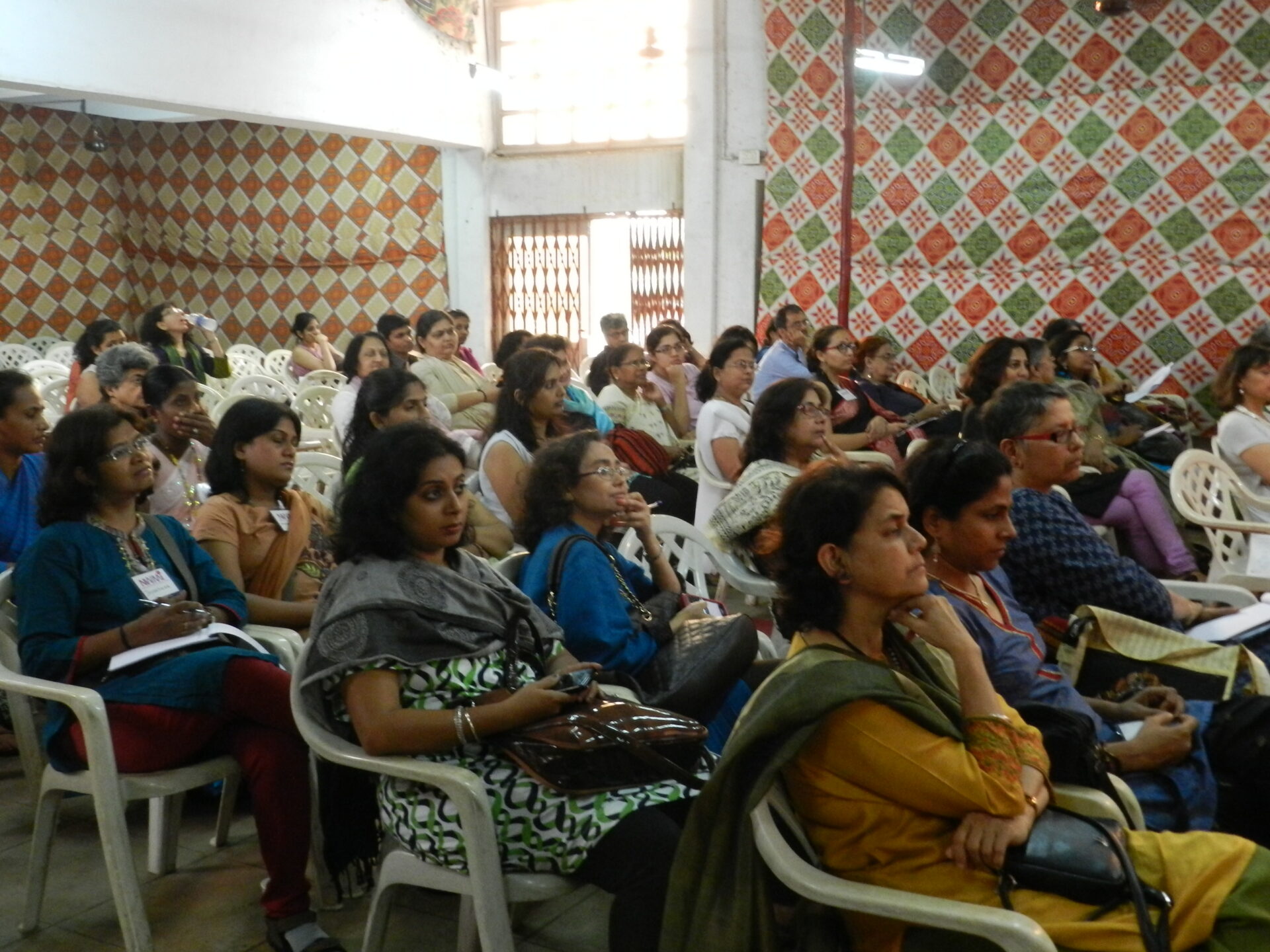
Over 80 women journalists from different media and languages across the country went into introspection mode for two hours of intensive debate, when a panel of six speakers from within and outside the media showed how improved coverage by media can help creating safer public spaces for women.

Offering her perspective on media’s constraints, Meenal Baghel, Editor, Mumbai Mirror, candidly admitted the lapses on the part of her publication in the past, while urging the Network of Women in Media (NWMI) to continue with its gender sensitisation training sessions for journalists in the newsroom. This was at the open session on ‘Women, Violence and the Public Space: How the media can tell that story better’ organised by NWMI in Mumbai on Saturday, February 2, as part of its three-day convention to celebrate a decade of its birth.

“Media’s voyeuristic appetite for gruesome details is insatiable,” pointed out Flavia Agnes, eminent lawyer at the forefront of the women’s movement. “This does nothing to help the victims, who do not wish to be labelled as victims all their lives. Media should end the hypocrisy of naming every single detail of the victim’s life except her name, and must help her in rebuilding her life after the trauma.”

The overall theme of the convention was ‘Women, Violence and the Media’, chosen for its topicality against the backdrop of the recent brutal rape-murder of a young woman in Delhi, which triggered unprecedented public outrage across the country.

The statement issued by the NWMI at the conclusion of the convention strongly calling for more sensitive reporting, urges the media to be a part of the solution and not of the problem of women already traumatised by violence. The statement makes a special note of the thousands of girls and women all over the country who have been physically, sexually, psychologically abused and injured or killed, and appeals for due media attention to sexual violence perpetrated on dalits and adivasis, as well as women in militarised zones, where security forces are granted impunity by law.

At the public event on Saturday, Harish Sadani, who heads the NGO Men Against Violence and Abuse (MAVA), Nandita Gandhi, Co-Director of Akshara, Lina Mathias, Senior Assistant Editor with EPW, and Anandita Sengupta, feminist blogger at Ultraviolet, offered guidelines and practical suggestions on how the media can help a survivor of violence cope with and overcome the trauma , rather than titillate and pry into private lives which intimidate and alienate the victim.

The convention also held discussions on ‘Struggles for survival and violence against women: the role of the media’. Lina Mathias drew attention to the steady erosion of Mumbai’s robust  tradition of collective action to demand accountability, and pointed out that women cannot possibly remain safe if the social and political culture has degenerated, making everybody unsafe. In a session on ‘Revisiting media coverage of the 1992-93 Mumbai riots’ explored Pratap Asbe, former Political Editor, Maharashtra Times, Meena Menon, Chief of Bureau, The Hindu, Mumbai, and author of Riots and After in Mumbai, Jyoti Punwani, who has done extensive reporting on the riots and their aftermath over  the past 20 years, Shahid Latif of Inquilab and Sukanya Shetty from the Indian Express explored nuances of coverage by the English, Urdu, and Marathi media and discussed learnings for the future.

The session on ‘Virtual Violence: Are Sections 66A and 67 of the IT Act the answer?’ discussed such forms of violence on the Internet as virtual stalking, harassment, abuse, impersonation, or unauthorised transmission of private photographs, and whether the legal remedies available are useful and adequate.

Categories
Event

Kashmiri MBA students create mock tourism company

CII event counselled Kashmiri MBA students on tourism and its career opportunities, at an event held in the city yesterday.

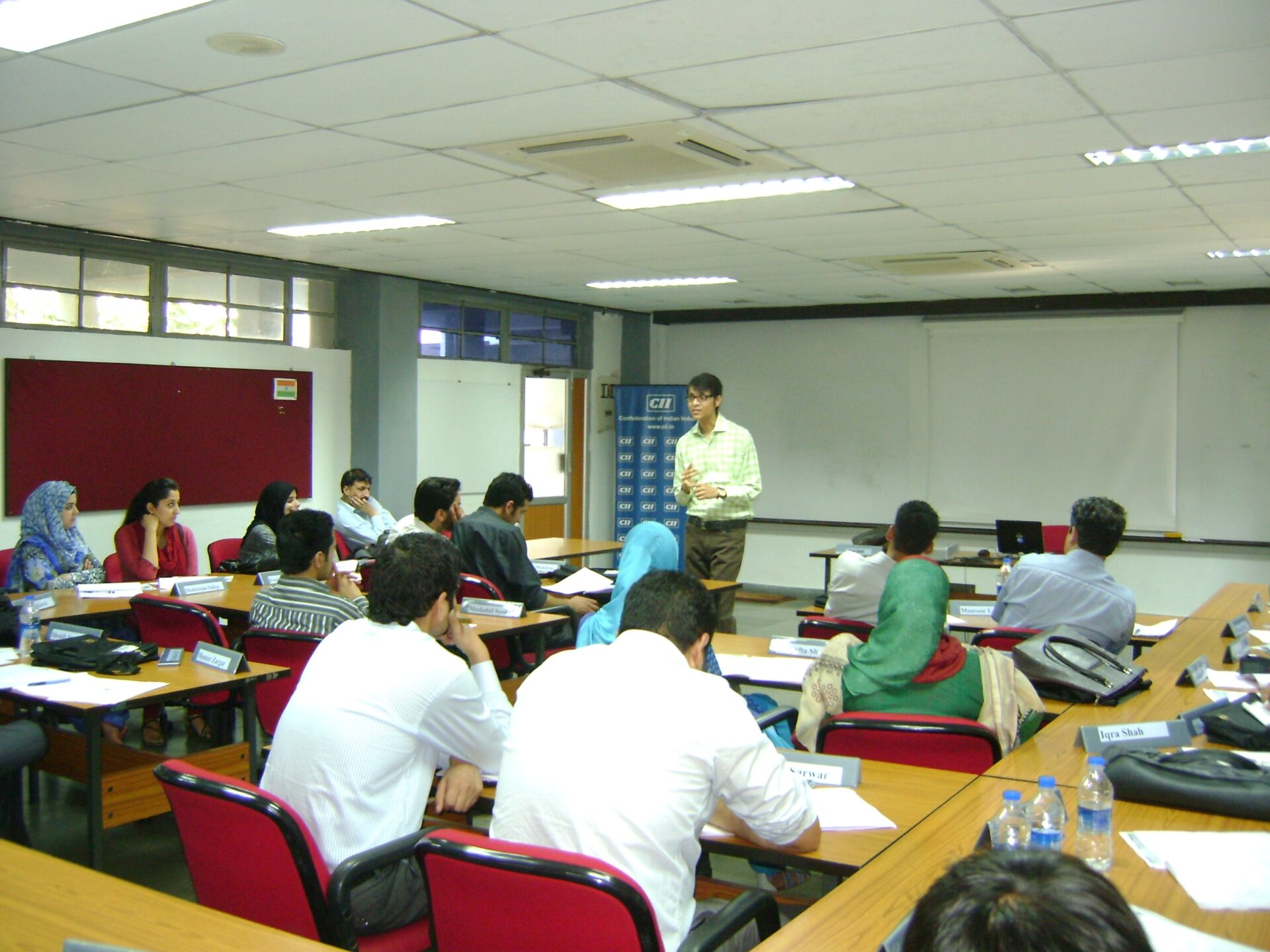
Today, the Confederation of Indian Industries (CII) held the event ‘Udaan’ in association with Godrej, to address MBA students from Kashmir. The subject of the seminar was ‘Tourism, its scope and the career opportunities if offers’. This is an annual six-week programme.

The session was presided over by co-founder and director of Ecomantra, Ravi Goel. He was among 12 other speakers chosen to address the students, and he has taken the last three batches of ‘Udaan’. This particular batch had 36 MBA students (21 boys and 15 girls) from two top universities in Kashmir.

“It has been a very engaging two-hour session with the students. It was a pleasure sharing ideas with such bright students from Kashmir; I have always found them very committed and sincere. We are very impressed by Udaan’s initiative in creating a real learning experience for these students. (As part of the interaction), I made the new batch start a tourism company from scratch. Some of them came up with very good ideas and I was surprised by the quality of concepts they had. These kids were very, very good,” Ravi said later.

The interactive session required the students to create a tourism business plan based on concepts of demand and supply, dynamic pricing, etc. Earlier sessions had dealt with tourism and how Kashmir can do things differently, the idea of experiential tourism as against mainstream tourism, among others.

Udaan was a programme initiated to integrate Kashmir and its youth in the mainstream economy of India. It was conceptualised to address unemployment in Jammu and Kashmir and was launched by Union Home Minister P Chidambaram in 2010.

Categories
Event

Maharashtra NCC cadets win PM’s banner for 16th time

They won for the fourth consecutive year at the Republic Day camp in Delhi recently; State Governor feted the cadets.

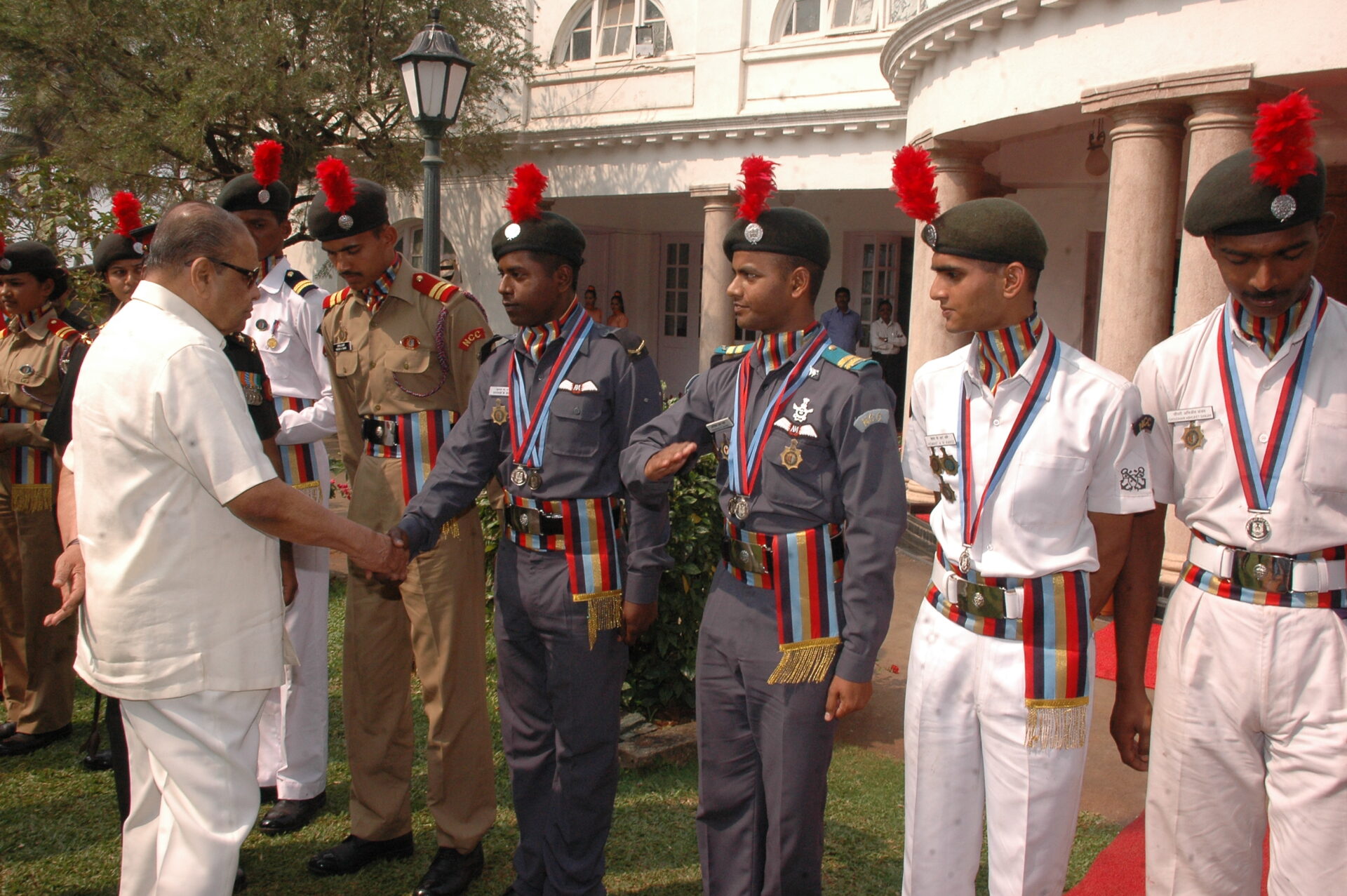
The Maharashtra Contingent of the National Cadet Corps (NCC) won the prestigious Prime Minister’s Banner for the fourth consecutive year at the Republic Day camp held in New Delhi recently. This win is the 16th for the Maharashtra NCC, a record on its own.

On Saturday, State Governor K Sankaranarayanan feted the victorious Corps at his official residence in Mumbai, the Raj Bhavan. Speaking on the occasion, the Governor congratulated the National Cadet Corps for shaping the character of the youth by inculcating in them discipline, patriotism and an urge for social service. He expressed the hope that the NCC would mould the character of several more youth in the country.

Maj General S Sengupta, Additional Director General of Maharashtra NCC, informed the gathering that the strength of the Maharashtra NCC is being increased from 1 lakh to 1.20 lakh cadets this year onwards. He also added that Maharashtra NCC has bagged the Champion Directorate Trophy for the 16th time during the last 22 years.

 (Picture courtesy Raj Bhavan, Mumbai)

Categories
Film

Banning films is our new pastime

If we’re banning films anyway, can the State ban films that hurt our intelligence, several of which release this year?
by M@themetrognome.in

This has been some week for the film fraternity. SRK’s ‘victimised’ (or not) statement created quite a stir and a ban on Kamal Haasan’s Vishwaroopam proved how flat the fraternity falls in a face-off with the State. But Vishwaroopam is not the first film to go perilously close to getting the axe. Many films in the past have been ‘modified’ to suit the sensibilities of a few people who find some material in it ‘objectionable’. Some films like Anurag Kashyap’s Paanch are still in the cans due to this.

Even Hollywood is not spared. Remember how David Fincher gave the Indian Censor Board the finger when he was asked to remove three scenes from The Girl with the Dragon Tattoo, that were apparently gore and sexual in nature? People who managed to get a bootlegged copy of the film and have seen it, will tell you how important the ‘unsuitable’ scenes are to the plot of the film. Similarly, The Da Vinci Code was banned in States like Goa, Andhra Pradesh and Nagaland because of its controversial plot revolving around the manifestos for Christianity.

In Malaysia, Mel Gibson’s The Passion of the Christ was banned only for Muslims, while the film was deemed suitable for Christian and Buddhist audiences. The film had the potential to create unrest amongst Muslims, thus the unusual ban. In retrospect, it seemed like a wise decision – it makes sense to not watch it if you don’t like it. But now, the Malaysian Government has failed to do the same for Vishwaroopam; the film was removed from theatres just a day after its release.

If banning films in the name of religion irks you, then this would definitely make you furious. In 1917, Birth Control, a film on family planning was banned in the United States of America in the interest of ‘morality, decency, public safety and welfare.’ The only reason one can let this pass is the year of the ban, when a not-so-modern America upheld a stereotypical image of the real woman and her moral values. Maybe a hundred years from now, even we will stop banning films for unjustifiable reasons.

But, can a ban really make the filmmaker bankrupt? The answer is ‘yes’ and ‘no’. Hollywood film that don’t get a release in a few foreign countries are seldom affected. They recover their costs on the home turf. But Indian movies banned in Indian states take a severe hit at the box office. Indian films are specifically made keeping the Indian (sometimes regional) audiences in mind. While some movies do extremely well with the Indian diaspora overseas, most of the moolah is generated at home. The ban on Vishwaroopam can cost Mr Haasan a whopping Rs 95 crore, by trade estimates.

Instead, there should be a ban on Non-Entertaining Films. These are movies that serve no purpose whatsoever, and require the viewer to keep his brains in the freezer before watching them. Like the No.1 series of Govinda – Aunty No.1, Anari No.1, Beti No.1 etc. These movies impair one’s judgement to the extent that one spends his hard-earned money to watch a grown-up man behave like a monkey. Maybe in the future, the Censor Board or the State can do the people a huge service by banning films that should have never be released.

Just to make the task easy for the Censor Board, here are a few upcoming films in 2013 that are very suitable for imposing a ban on:

Rangrezz. It stars Jackky Bhagnani. Censor Board, there’s your reason.

Zanjeer remake – The Classics should be sacrosanct and not allowed to be re-made, especially if Apoorva Lakhia is directing them.

Mere Dad Ki Maruti – Really? There is a big brand in the title. YRF has already recovered its production costs, so this one doesn’t need any box office collections.

Raanjhnaa – Sonam Kapoor cannot act. Period. Remember Mausam, with its riots, wars and 9/11? Sonam was worse than all these disasters combined.

These films (and more are coming up this year) are a bigger threat to the nation and hurt sentiments across religion. They should be banned purely on the grounds of offending the religion of Sanity. If the Censor Board fails to be the do-gooder, then maybe it’s time we take the matter in our own hands. Let’s impose our own ban on crappy films, by not watching them on the big screen and forcing distributors to take them down. It’s a thought fit for a utopian world, but hopefully we’ll get there soon.

M is a media professional with an eye on entertainment.

(Picture courtesy ndtv.com)

Categories
Film

‘Bollywood has not called yet’

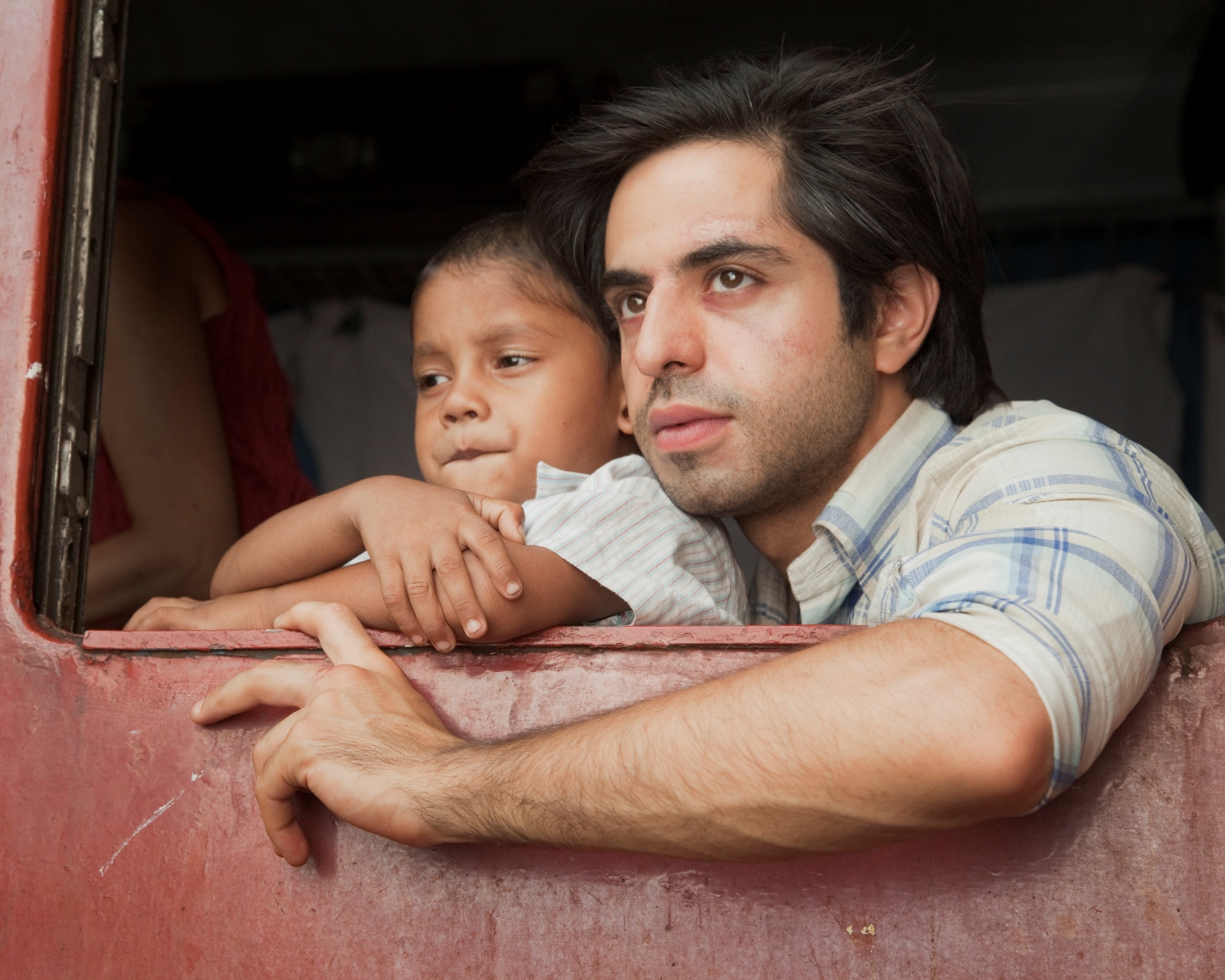
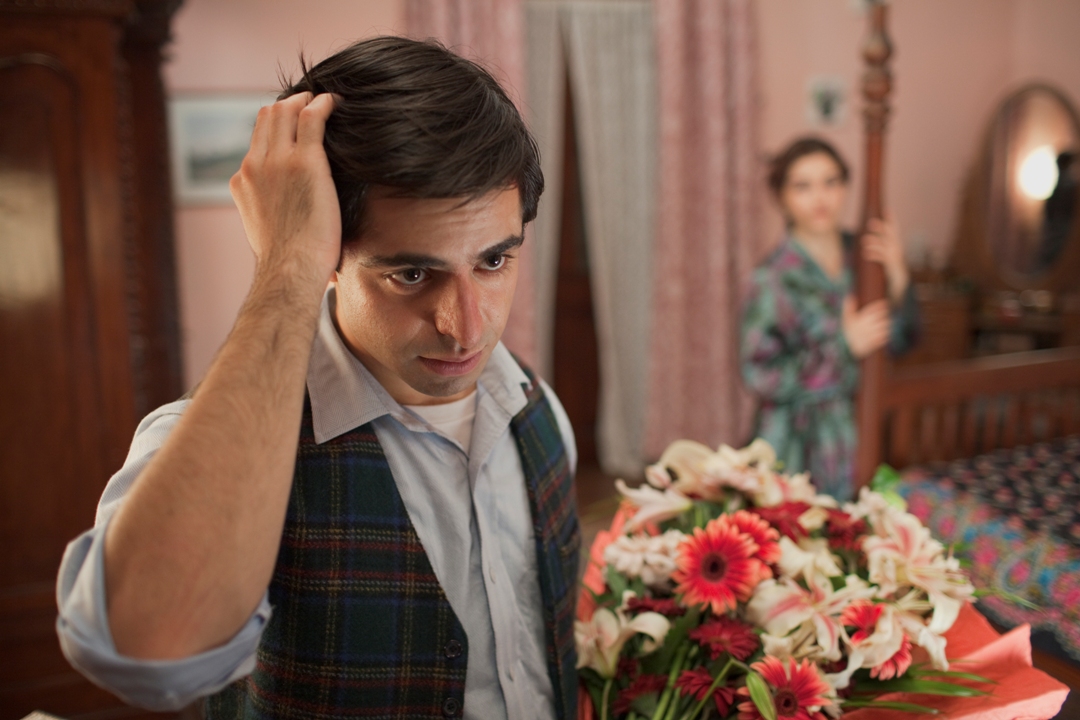
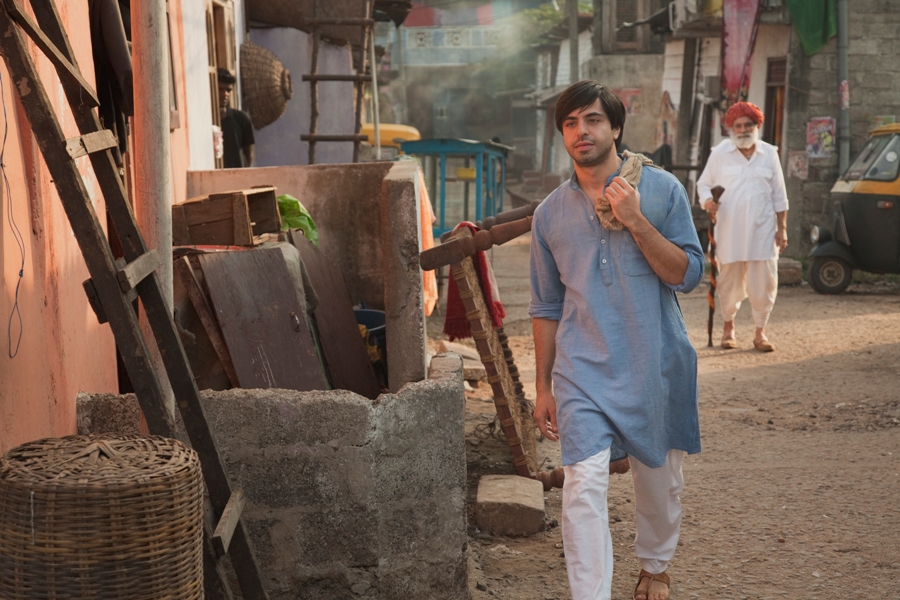
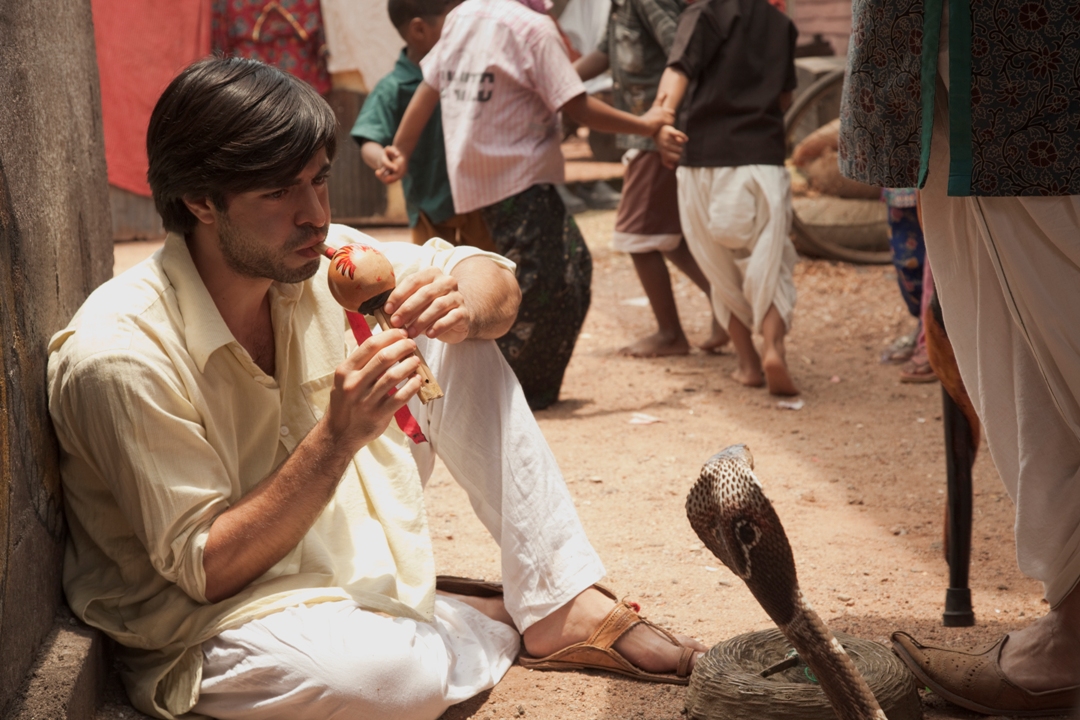
His national identity fades in the face of the character he plays. Satya Bhabha portrays Saleem Sinai in ‘Midnight’s Children’.

British-born actor Satya Bhabha will be seen this Friday in the Deepa Mehta-directed Midnight’s Children, based on Salman Rushdie’s novel of the same name. Satya, of mixed Parsi-Jewish roots, grew up in London, graduated from Yale and is based in Los Angeles.

In an e-mail interview with Salil Jayakar, Satya talks about his ‘identity’ as an actor, the challenge of playing Saleem Sinai and working with Deepa Mehta…

Salil J: You were in Mumbai recently for a wedding. Were you recognised as the lead actor of Midnight’s Children?

Satya Bhabha: Ha ha… no. At that point nobody had even seen the film!

SJ: Do you identify yourself as British, British Indian or Indian? As an actor does it matter, both at a personal level and a professional one?

SB: I consider myself British and American, due to the fact that those are the countries I was born and have lived in for my entire life. However, my ‘ethnic’ or ‘genetic’ identity is a more complex one which involves both my father’s Parsi family and my mother’s Jewish roots. As an actor, my national identity fades easily in the face of the character. In the face of the industry, however, it can be more of a challenge…

SJ: You’ve worked with an ensemble cast with some of India’s finest actors. What was the experience like? 

SB: It was a total honour and dream to have had the opportunity to work with such an exemplary ensemble. Each actor brought such depth and detail to their role, and I learned an invaluable amount from watching and acting with them.

SJ: Given that you had little or no Indian experiences before you shot for the film, how easy or difficult was it to play Saleem? Had you read the novel before being offered the film? 

SB: I have had a long relationship with the book, Midnight’s Children, and also with India as an ancestral home, which I visited over the holidays. However, in order to fill my mind and memory with images from Saleem’s story, I travelled extensively in India and actively sought out many defining experiences. It was challenging, certainly, even after all the preparation, but luckily most of the time the work supported me and I was able to play freely with my co-stars without consciously thinking about performing the nationality of my character.

SJ: Some actors often claim to ‘live the life’ of the character they portray to bring an authenticity to their work. Was that an option you considered?    

SB: There certainly was an element of that, spending months living in my grandmother’s home in Bombay (which is not entirely dissimilar to Saleem’s home), and then travelling alone through India by buses and night-trains, landing in unfamiliar cities and having to find friends, food, and shelter… It certainly echoed Saleem’s path to an extent.

SJ: Working with Deepa Mehta… what was that like?

SB: Fantastic! Deepa is a strong and trusting guide who steers you in the right direction and holds your performance up to a very high emotional standard. She is fascinated by truthful human responses and goes to any lengths in order to get them. It was a real honour to work with her.

SJ: Does it bother you that Hollywood does not have starring roles for actors from the subcontinent? That you and most others with an Indian connection are mostly considered for an ethnic role?    

SB: It is challenging at times, but I do hope that there is a sea change in this regard and I very much hope that once films like Midnight’s Children and others spread to wider audiences, the universality of our stories will inspire less mono-cultural story telling…especially when it comes to casting.

SJ: Do you watch Indian/Hindi films? Has Bollywood called yet?

SB: I love Hindi cinema but, no, Bollywood has not called yet.

SJ: To audiences everywhere, what would you tell them to expect when they go to watch Midnight’s Children?

SB: I would tell them to allow the story to wash over them and that they may see far more similarities with their own lives in the film than they may have imagined.

Categories
Listen

‘I wish all films wouldn’t need item songs to sell’

Shalmali Kholgade discusses winning the Filmfare Award for her song ‘Pareshaan’, and what annoys her about Bollywood, among other things.
by Vrushali Lad | vrushali@themetrognome.in

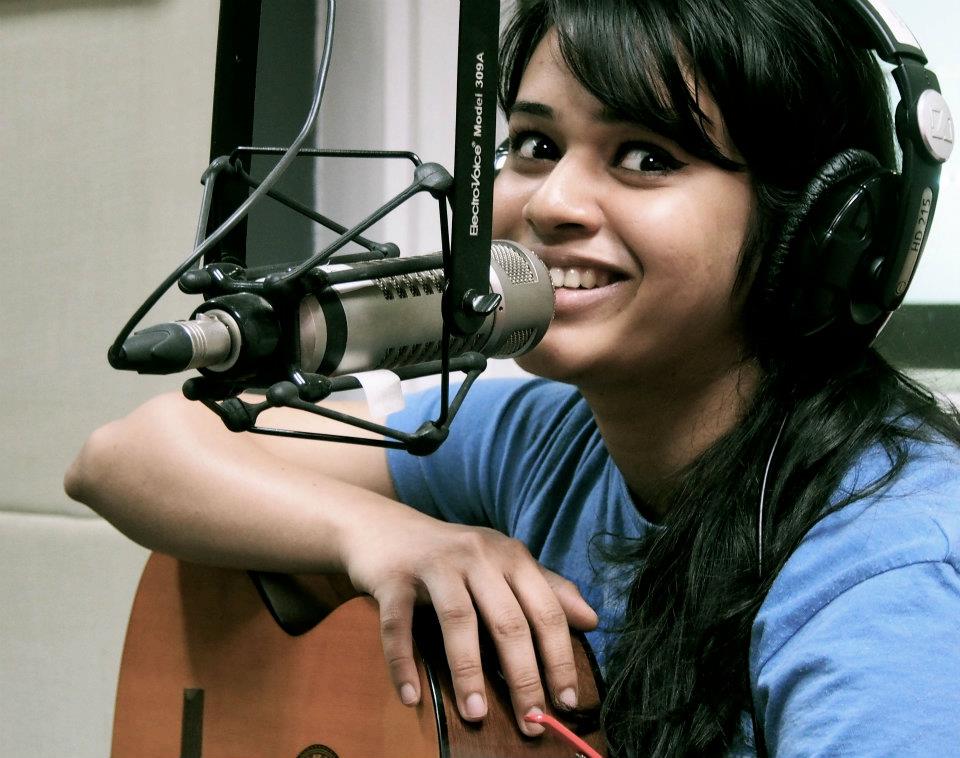
Shalmali Kholgade sang the wonderful ‘Pareshaan’ from Ishaqzaade last year. Her heady voice, combined with the song’s beautiful lyrics, took the composition straight to the nominations lists of several film awards this year, and culminated in a Filmfare trophy for the 23-year-old. And ‘Pareshaan’ was her debut song in Bollywood!

In an interview with The Metrognome, Shalmali speaks about her win, what her pet peeve about the Hindi film industry is, why she doesn’t drink milk a day before a song recording, how she began singing, and why she looks for that ‘one’ moment of total harmony when she sings.

First of all, congratulations on winning the Filmfare award for ‘Pareshaan’. What was it like to hear your name announced as the winner?

When my category was announced, my heart was racing. But I have this cool ability to mask everything happening inside. But when my name was announced, my heart stopped beating for a second – or so I thought. I remember trying to look calm and composed, but I can’t say if I did that well enough. I walked up to the stage, and everything after that goes blank in my head. All I can say right now is that it must’ve been too intensely powerful a feeling to account for in retrospect.

You looked gorgeous on awards night. What did it feel like, getting all dressed up for the awards?

Thank you very much. All credit goes to the immensely creative, innovative and gorgeous Sonaakshi Raaj who was my stylist and designer for the Filmfare Awards. Feel free to add all the superlatives you can think of to Sonaakshi Raaj – she is extremely deserving of them all. The white jumpsuit that she designed for me hit that balance between red carpet ‘elegant’ and a musician ‘casual’ perfectly. Getting dressed up for the awards was like a scene from Cinderella! I enjoyed it thoroughly.

Can you describe the creative process that went into creating ‘Pareshaan’?

The selection process for ‘Pareshaan’ included me singing the chorus of the song twice and then Amit Trivedi (Ishaqzaade’s music director) saying, “Are you free tomorrow to record the song?” And just like that I was recording ‘Pareshaan’ the next day. We recorded over two days, as there were lyrical changes. Habib Faisal and Kausar Munir spent a lot of time explaining every word and every line of the song to me. All three of them – Amit Trivedi, Kausar Munir and Habib Faisal – were extremely supportive of me and showed a lot of belief in me. That was a huge plus. The pronunciation of the words was the other thing that needed attention on my part. I wasn’t used to singing Urdu words. But Habib sir and Kausar ma’am got it out of me.

Who are your favourite music composers? And who is a bygone era composer you would have loved to work with?

My favorite music composers are Nitin Sawhney, AR Rehman, Amit Trivedi and Vishal Bharadwaj. I would’ve loved to work with OP Nayyar.

If you hadn’t sung ‘Pareshaan’, which singer would have done as much justice to the song as you did?

It would have to be Sunidhi Chauhan.

Tell us about your childhood. How did you take up music?

My mother (singer Uma Kholgade) taught Indian classical music at home. She is the reason I sing at all. Till my mother was eight months pregnant with me, she went for music lessons at her teacher, Shruti Sadolikar’s. She believes that it affected my musical leaning in some way. My mother made it compulsory for me to sit for music class twice a week for an hour each, and though I reluctantly sat for it, I owe so much to those classes.

My brother, on the other hand, who is eight years older than me, listened mostly to English rock and pop bands like Queen, Aerosmith, Michael Jackson, Phil Collins and Dave Matthews Band. His music, for some reason, was more inviting for me. I listened as he played his guitar and sang sometimes. I picked up the guitar watching him play. He has been my encyclopedia for English music.

How has the support from home impacted your career?

My father is a pharmaceutical consultant by profession, but is a lover of the Arts. He writes plays, short stories and poetry in Marathi and English in his free time. My mother, brother and I are always the proud first listeners of his writings. He also sings with the kind of confidence I have never seen, even though he isn’t trained in singing. My mother has taught Indian classical music at home till I was 16 years old. She is a fantastic teacher, who never taught music for the sake of making money. Her students love her and beg her to start taking classes again even today. I am so grateful to have parents who are so incredibly talented, supportive and encouraging. There’s no way I would’ve been here today if it weren’t for my parents.

Overall, what has been your musical journey been like? Have you sung for regional cinema as well?

My journey has been an utter joyride, with some incredibly diverse experiences of being able to listen to and sing with musicians from all over the world. (She is a vocalist with Mikey Mcleary’s popular act The Bar Tender and has performed as a soloist with a Latvian troupe in a cabaret named ‘Bombaloo’ which toured Moscow, Russia and Yerevan, Armenia).

I have had the chance to sing in regional cinema and that is something I thoroughly enjoy doing. I have a strong affinity for languages, diction and the tonal quality of every language. My first Tamil song ‘Raja Raja’ with music director GV Prakash released a month ago. My first Marathi song ‘Jag Saare Badale’ also released this month. I have recorded a Bengali track with the great Indradip Dasgupta, and also a Telegu song with Sachin Jigar. Both these songs release by the middle of this year.

What has been the most special moment in your musical journey so far?

When I was in college, I had a life-changing experience that convinced me that music was what I wanted to pursue. It was the final round of Western solo singing at St Xavier’s Malhar. As I sang ‘Desperado’ by the Eagles, with just a guitar accompaniment, I held the last note of the song till I ran out of breath. I felt like I wanted to hold on to that moment for as long as I could, because I knew it wouldn’t come again for a long time. That is the reason I am pursuing music today. I want to find that moment of complete harmony of voice, accompaniment and calm. It is indescribable.

What is the one thing you don’t like about the Hindi film industry? A lot of artistes complain about the lack of respect for time, for instance. What is your pet peeve?

Time would be number one on my list, too. But when it comes to music, there’s too much run-of-the-mill stuff, with little experimentation. I wish that would change. I wish all films wouldn’t need item songs to sell. I wish women in films would have better roles than just ordinary lovers to play. I agree that it is changing with films like Kahaani and Heroine. But my issue is with a majority of films having female actors that are used as marketing tools.

There are so many young singers today, each with their own USP. How is it possible to survive in this competition and bring your best to a performance every time?

I personally don’t think of anyone as competition. This does not mean I am unaware of all the talent around me. But I see it as people to learn from and skills to add to my kitty. It is all inspirational in one way or the other.

How do you train your voice on a daily basis?

I start my day with just humming any tunes. Slowly as my voice warms up, I do scales on lip rolls, humming, and plenty of other warm up exercises. I sing along with songs that play on my computer all day. I never count the number of hours I sing. I sing for as long as I feel tired singing. If I have a recording or a show on a particular day, I stop drinking milk a day before. That’s the only precaution I take. I am of the opinion that a positive mind always helps deliver well. When I think I am not singing to my full potential, I just sit over it and polish the song, a melody, a run up till it comes out effortlessly. This takes days, sometimes months.

Which projects are you working on currently?

I am doing a lot of shows, especially so in colleges all over India and that is something I am enjoying a lot. The youth is so full of life and love that it is always a pleasure singing to them. One of my songs from the film Mere Dad Ki Maruti will release this week. A handful more releases are due in the next couple of months and I look forward to them.

How has life changed for you post the Filmfare Award?

Winning the Filmfare award and the shower of wishes and expectations that followed have changed quite a lot in my life suddenly. From wanting to pursue music, to singing ‘Pareshaan’, to becoming a playback singer, to winning a Filmfare Award, all of it has in quick succession. I feel more responsible and I want to live up to the expectations of people, and more, over the expectations I have from myself.

What is a tip you would give aspiring playback singers?

Everyone is unique, with a different voice quality, a different range and a different personality. Use it to your advantage. Compete only with yourself. If you stop looking inwards and start indulging too much in the lives and feats of your contemporaries, you’ll lose yourself.

That is all that’s important. All the technicalities of singing in a studio and live can be learnt only through experience. I am also learning. I just keep looking forward!

(Pictures courtesy Shalmali Kholgade and karamnook.com) 

 

Exit mobile version