Categories
Swaad 'Anu'saar

Why aloe vera is great for you

Aloe vera alleviates breathing issues, reduces aches in joints and even helps get rid of lice. Try this plant today.

anurita guptaby Anurita Gupta

If aloe vera were a pop group, it would undoubtedly be The Beatles. This wonder plant is a true star, and it finds its place in history for thousands of years. Legend has it that Aristotle advised his student, Alexander the Great, to invade the island of Socrota to get all the aloe vera plants from there in order to use it to heal the wounds of his soldiers.

Although it looks like a hybrid cactus, aloe vera actually belongs to the lily family from the south of Africa. This plant’s gel and juice are said to possess miraculous healing qualities. The aloe gel, also known as ‘mucilage’ is taken from the inner part of the aloe leaf and the aloe vera juice comes from the latex part of the plant, just beneath the skin. The juice is said to contain the laxative aloin.

There are over two hundred useful ingredients in aloe vera, including vitamins, minerals, amino acids, enzymes, polysaccharide, and fatty acids. That is the reason why there is a whole list of benefits that this wonder plant accords. Apply it or add it to your favourite drink (non alcoholic ) for the following benefits:

Wrinkle-free, glowing skin: Throw away that wrinkle cream or herbal skin potion. Aloe vera gel is the only natural, sure-shot preventive solution for wrinkles, since it is a fantastic moisturiser. Dry or sensitive, acne-prone or psoriasis-ridden skin, aloe vera gel is said to be the best solution for all skin issues, because it provides oxygen to the epithelial cells that act as a power booster to get healthy skin.

Try this: Cut up an aloe vera plant leaf and slice it down the centre to extract just the gel, not the latex from the aloe vera gelsides. Whirl it in the blitzer and apply it on your face just before going to bed every night. Not only will you have acne-free, smooth, glowing skin, but wrinkles will say good bye forever!
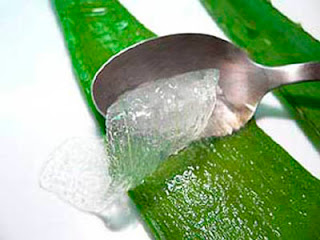
Rapunzel-may-get-jealous hair: Opt for aloe vera gel if you want your inner Rapunzel to come alive. Use the gel directly on your scalp to rid it of dandruff or – eeeks! – even lice. You can get lush, strong, shiny hair thanks to the vitamins and folic acid stocked in this miracle plant.

Try this: Apply the gel on a clean scalp right after washing your hair with a light shampoo. Keep it on for 10 minutes, then rinse thoroughly. Also, there are many off-the-counter shampoos available with aloe vera as an ingredient, so you could opt for those.

aloe vera gelHealth in a glass: Aloe vera comprises Vitamins A, B1, B2, B6, B12, C and E, Folic Acid and Niacin and therefore, having a glass of aloe vera juice daily can boost our immunity and assist it in fighting against pesky free radicals and pollution-generated stress on our body. You can buy aloe vera juice at many chemist shops. They are also available in many flavours including green apple, mint and grape.

Try this: Aloe vera juice is very high in minerals. Drinking it regularly will supply you with essential minerals and help you attain optimum blood flow and a healthier BMR (Body Mass Ratio). It is a natural cleanser, so it is a great antacid that cures digestion issues in a matter of days. Drink a glass of aloe vera juice in the morning and feel a heightened sense of well-being.

Happy joints and hearts: Densely packed with 12 natural ingredients such as copper, iron, sodium, calcium, zinc and potassium, aloe vera helps in lowering inflammation naturally. In short, if you have aloe vera juice on a daily basis chances are that you would not have to visit the ‘bone doctor’ too soon. Thanks to the anti-inflammatory benefits of this plant, it aids in mobilising muscles and joints. Not only that, there’s the bonus advantage of lowered blood sugar and lesser cholesterol, thanks to aloe vera’s ability to greatly multiply supply of oxygen in the blood.

Try this: Add some aloe vera gel to a smoothie or milk shake of your choice. Also, the next time you have aching joints, there’s no need to rub ‘ghee’ on them – just apply an anti-inflammatory gel that contains aloe.

Breathe free: Aloe vera juice can aid extensively in cases of respiratory disorders. Having a glass daily can actually be very helpful for those who chronically have the sniffles, aloe-vera-gelinfluenza, bronchitis and many other allergies. Aloe vera comprises sulphur, lupeol, salicylic acid, cinnamic acid, urea nitrogen and phenol that thwart the development of bad bacteria in the body, thereby reducing chances of all sorts of internal and external infections. So time to say ‘bottoms up’ to an aloe vera shot and breathe free.
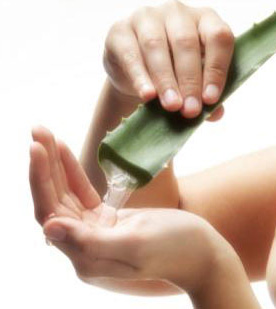
While there are many products available in stores containing this brilliant plant, it is always recommended that you your own aloe vera gel or juice. The price you pay for this plant is a mere Rs 45 and it grows as beautifully indoors as in strong sunlight. Also, while its daily external application as a gel is highly recommended, there are naturopaths who advise against consuming aloe vera juice regularly because they believe it has to be used as a medicine for cure and not necessarily as a ‘healthy living’ magic potion.

(Pictures courtesy www.whyaloevera.com, articles.timesofindia.indiatimes.com, www.aloe-vera-bio.org, www.makeupbeautylounge.com)
Categories
Cinema@100

‘I’d love to play a woman’

His debut film was the wildly successful Taare Zameen Par. Vipin Sharma describes Bollywood from the eyes of a newbie.
by Vrushali Lad

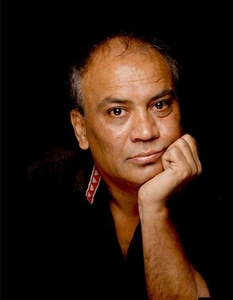
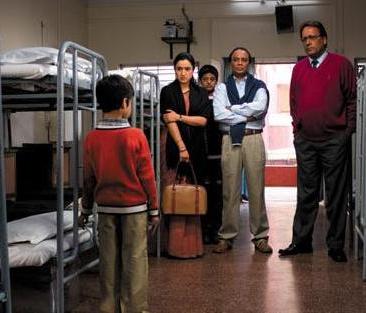
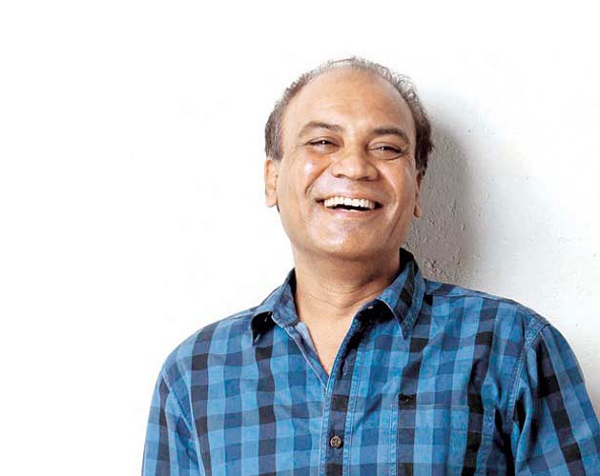
Vipin SharmaHe played the stern, unrelenting father in 2008’s Taare Zameen Par (TZP), a story of a dyslexic boy and his travails. Vipin Sharma’s performance made film-goers and the film industry sit up and take notice, especially for the range of emotions he depicted as his character goes from experiencing frustration to confusion to finally, understanding.

In an interview with The Metrognome, Vipin indulged in some frankspeak: on the workings of the industry, why typecasting is dangerous for an actor, how TZP was the story of his childhood, and why he is only looking for antagonist roles.

Excerpts from the interview:

How did ‘Taare Zameen Par’ happen?

After graduating from the National School of Drama, I wanted to travel all over India and abroad. I started my career assisting Ketan Mehta and worked with Naseeruddin Shah very closely. During that time I got fascinated with cinema and wanted to study it.

My quest took me to Europe for a while and then I ended up in Toronto. I think I became sort of disillusioned with acting and Bollywood of the late 80’s and wanted to do something different. In Toronto, I tried different things and finally became an editor after having attended the Canadian Film Centre.

But during all that time acting stayed in my mind and I always thought maybe one day I will go back to it. During one of my visits to Bombay, (actor) Irrfan who is a very dear friend of mine since my NSD days, asked me to see Maqbool and when I saw it, I thought things were changing in Hindi cinema. I went back to Toronto and a chance meeting with one of the most amazing acting teachers I have come across, Jacqueline McClintock from Montreal (who taught Meisner) changed my life. I studied with her for a bit and decided to pack my bags and head to Bollywood. I had no idea what was in store for me. All I knew I badly wanted to act.

What happened then?

Amole (Gupte) was about to start Taare Zameen Par. I met him and he auditioned me for the Hindi teacher and the warden’s roles. I did those but my eyes were on Mr Awasthi’s character (Ishaan Awasthi’s father). I hadn’t read the script but I had helped Amole audition the final ten kids from which Darsheel was selected.

It was during that time I asked Amole about who was going to play the father. Amole told me that since I was a bit dark-skinned, I might not pair well with the boy he had in mind. I asked him to let me prepare a scene and he willingly agreed and gave me the ‘absent note’ scene. I went home and stayed up till 3 am and prepared it.

Next day when I went to Aamir’s office I was looking around to find someone who would tape my scene. Luckily Ritu, who was one of Amole’s assistants, decided to shoot it as there was no one else. I completely forgot about it since Amole had also told me that the role was reserved by Aamir for some of the known actors from the industry. After a month I got a call from him. “Aamir ney tere ko baap bana diya.” (Aamir has made you the father). I didn’t understand what he was saying at first, but slowly it dawned on me. I was barely three months old in Bombay and had bagged a role of a lifetime which was going to change my life. I owe a lot to Aamir and Amole for letting me be a part of it.


Your role in TZP was a challenging one. The character stood out for its sternness, its inability to understand what exactly is going on with Ishaan. How did you prepare for this role?

Actually what Ishaan goes through in TZP is what I went through in my childhood. My father never understood me. In those days people used to hear stories of boys running away vipin sharma and darsheel safaryfrom homes to Bombay to become actors and since I used to love watching movies he thought I would also probably run away. So, as a result he sometimes beat me up if I went to see a movie. He hated my movie-going and I always thought he didn’t understand my passion for cinema. He wanted me to join the Railways and I wanted to become an actor. So, in a way TZP is my tribute to my dad whom I now think I didn’t understand. It was his love that was showing in his anger. My tears in the end of the film are for him.

In recent years, actors who play ‘character parts’ – like you did in TZP, or Sanjay Maurya did in Aage Se Right – are being hailed for their breakthrough performances. What does it take for a second lead to hold his own against the main lead?

I like the words ‘second lead’ as I think the ‘character artist’ term is very degrading now. It’s like you are some untouchable. Everyone plays a character in a film. I think it doesn’t take anything except that you play your part with sincerity and commitment against whomsoever is the lead. It could be anyone (playing the lead).

What is the method to your acting?

I would like to believe that I am evolving. There is a long way to go. I try to be honest and convincing. Sometimes it works, sometimes it doesn’t. I am practicing.

Who is your favourite actor and why?

Irrfan. Not because he is a friend of mine. I remember he used to tell me after we both came out of NSD that he admired my way of acting. Today, I admire him. His simplicity and emotional strength both as a person and as an actor are commendable. I often end up crying when I speak about him in interviews. I feel very close to him.

How did you prepare for your scenes with Aamir Khan in TZP? There were three very powerful scenes you had with him, each showing a different emotion from you. What was the process like?

I actually didn’t prepare except that I made sure I knew my lines. Believe it or not, I had not seen Lagaan when I was shooting for TZP. As a matter of fact I hadn’t seen any of Aamir’s films at that point in time. I think even today I am not familiar with his films prior to TZP. I connected with him during the shoot.


My first meeting with him was amazing. He opened his car door for me and that was a very humbling experience. I also remember once I was unable to do a close shot in which only my arm was seen while I slap Darsheel. He came over and asked me to remove my kurta and give it to him. I told him that it was full of my sweat. He said not to worry. I took it off and gave it to him. He wore it. We did the shot and gave it back to me and said, “Here, it is sweatier now.” I too immediately took it back and wore it, thus mixing our respective sweat! I never for a moment felt I was acting with a big star. He never made me feel like it was my first film. He remained simple and like a close friend throughout the shoot.

What are you currently working on?

John Day just got finished. Satyagrah is next while Raanjhana has released. I also wrapped up shooting for Tigmanshu Dhulia’s new film Bullet Raja. Next will be Sudhir Mishra’s Mehrunissa.

What has been the most challenging part of your journey in the film industry so far?

tzpThe film industry wants to use you the way they think is the best. You have to stand up and say, “No, I am much more than this.” After TZP and till today, I fight because everyone thinks I am only capable of playing a stern father. Typecasting has done a huge damage to the Hindi film industry. It happens to directors as well.

Do you think actors in our industry get slotted in particular niches on the basis of their looks?

Yes, that is exactly what I was saying earlier. For example, my favourite role or my dream role would be to play a woman’s role, but no one will think I can do it because for most people, I can only play a strict dad or similar roles.

Which is the one role you would have loved to do?

I actually have never thought of that. Whenever I see a great role, I don’t imagine myself doing it because the actor who has done it is superb. Of course there are dream roles like Hamlet, Othello, Sakharam Binder and the likes that any actor would die for. I am no exception.

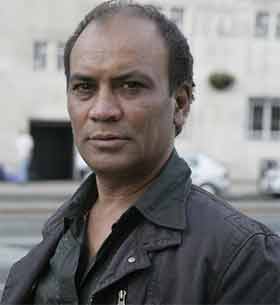
Do you agree that this is the best time to be an actor in the film industry? Vipin Sharma

Yes, definitely although in very, very small measures, but the quality of acting IS inching towards what it should be. (The current level of acting is) Honest and not this stupid melodramatic, over-the-top sentimental and crude portrayal of people which is very dangerous, as it creates fake emotions and Bollywood has a huge influence on our society. I just read recently that a mother and her daughter committed suicide because the daughter and her brother didn’t do well in exams. They took pills right in front of each other, one by one. I can imagine how this whole thing must have happened. First the boy took pills and he fainted. The mother walked in, saw the pills and the boy and she took some. Then the daughter entered and she saw them and she took some. Strange, but it is a scene straight from a tear jerker melodrama. But it happened…and it happened in Mumbai just a few days back.

But shoots in Bollywood are full of chaos and a frantic energy surrounds you all the time. Sometimes it is exciting, but quite a lot of the times it drains you out and the quality of the film suffers. Sometimes it’s tragic, as recently on one of the shoots a very young and promising assistant directors died in an accident that could have been avoided.

Please continue…

I am now only looking for antagonist roles in films. I am mostly working with Indie filmmakers in Bollywood now and that is where I am finding my like-mindedness. I don’t hate mainstream cinema but it very rarely offers films that are greatly entertaining and enlightening at the same time. Just aiming to entertain through an art form is shallow and does not contribute much to any society. In a country like India, where there are so many issues that need to be looked into, there is a great need of cinema which reflects that. I am attempting to be part of this New Cinema that is fast emerging here. It’s slow and steady but who knows, it might win the race. I am also slowly going back to performing on stage and soon will be directing my first film as well.

(Pictures courtesy www.santabanta.com, canindia.com, www.bollywoodnewsservice.com, www.rockying.com, indraneilbose.com, www.aajkikhabar.com, www.india-forums.com)

Categories
Beauty

Oils that heal

How can essential oils help treat eczema or ease insomnia? We list five fragrant oils that have unique healing properties.
by Beverley Lewis

If you are a big fan of anti-aging products, but are looking for something a bit more natural and specially-crafted for your skin, maybe it is time you tried blending your own essential oils, as a more natural and effective way to keep your skin healthy and younger looking. Essential oils can reduce the signs of aging and keep your skin healthy and fresh. Learn more about the top essential oils for facial use on any skin type.

Remember to blend 10 drops of an essential oil in 20 ml of a carrier oil like almond or grapeseed oil.

These are some oils you can use:

Juniper: Juniper oil is derived through the steam distillation of the needles, wood and fruit of the juniper tree. Juniper oil can be used in a number of different ways and is an effective facial skin tonic. It tightens the skin and also kills bacteria, thereby helping to prevent infection in acne sufferers.

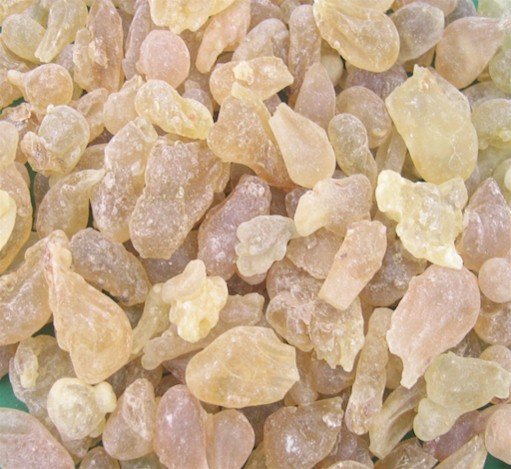
FrankincenseFrankincense: Frankincense (in pic on left) is well-known for its ant-aging properties. This essential oil has been used as a cosmetic since ancient Egyptian times and continues to be popular to this day. Frankincense can help prevent and reduce wrinkles, as well as smooth and refine the appearance of the skin. It also promotes the growth of new skin cells.

Rosemary: This popular kitchen herb, when blended into an essential oil, can help rejuvenate mature skin and improve circulation. Its mild antiseptic properties can also prevent infection.

Neem: Oil from the seed or fruit of the neem tree has been used in traditional Indian medicine for many years. Neem oil is an effective treatment for many skin conditions and can be used as an ingredient in soap to help treat oily or greasy skin. Neem oil can also soothe and reduce the symptoms of eczema and acne.

Lavender: The essential oil of lavender (in pic on right) is well-known for its calming properties, and is known to help people with insomnia. If you lavender-oilsuffer from insomnia, try sprinkling a few drops of this essential oil on your pillow before bedtime. Additionally, lavender oil can also be used to treat eczema and acne, as well as insect bites and stings.

With inputs from Nisha Dhutia, aromatherapist.

(Pictures courtesy www.ancient-minerals.com, gardenofeaden.blogspot.com, essentialoil.co.in)

Categories
Guest writer

Pet potion

A Mumbaikar writes about her fear of dogs translating into another emotion – it happened when she least expected it.
Rachel Tsengby Rachel Tseng

As children we have often yelled out “Mama!” in fright, an expression which has become synonymous to pain or fear. One of my biggest fears as a child was not just animals or birds, but dogs in particular. I don’t know if it was fear for real or was it because I was chased by a dog, so I never had a liking for them!

I spent my formative years fearing dogs and I was simply unable to comprehend why they even existed. Their mere existence seemed like such a waste. They were everywhere, on the streets, starving and suffering, on the playground, peeing and pooping, in the church, taking shelter under a bench, practically everywhere…except the zoo! Then came the age of promoting puppy adoptions, then abandoned pet adoption, donations to vaccinate, feed and shelter strays; it became more and more clear to me that they were really not wanted at least around me and my fellow human beings!

After my graduation, it was time for a well-deserved vacation. I was to travel to the US to visit my sister and since she is the only family I have in that part of the world, it was obvious that I would camp at her place and like every visitor I had to accept and adhere to her family and set of laws.

SammyHer family included a Golden Retriever.

I gave a serious thought to giving up my US vacation but the greedy side of me overpowered my fear and I decided to brave it. After all, a US holiday doesn’t come by every day!

Throughout my flight I fervently prayed that the dog would stay away from me. I didn’t want him to like me as I was scared of him getting playful and jumping all over me but yeah, the thought of him disliking me was worse. What if he smelled my fear and dislike? All I wanted was to be ignored.
As expected, my first meeting with the Golden Retriever – Sammy – was rather uncomfortable. I sat still; he smelled me and IGNORED me. It was mission accomplished for Day One! By day five, I became more at ease and began enjoying my vacation. Sammy didn’t seem to take any interest in me and I was just happy being ignored.

One afternoon, I heard a squeaking, muffled growl and I knew it was coming from him. I tiptoed to the other room and I saw him fast asleep with all four paws in a running motion, giving out muffled growls. It was the first time I had seen a dog having an active dream. I stood still staring at him. Theoretically I knew that they have life in them just as we humans but for the first time I sensed it. That moment he seemed so very adorable, I walked away and couldn’t believe that I had just found a dog adorable!

The next day after I was done with sunbathing and lunch, as I settled down to read, Sammy sat right in front of me with a toy in his mouth, wagging his tail. I didn’t know what to do or how to play with him. I didn’t even know that there were special toys for dogs until I met Sammy. I ignored him and continued reading.
In response to my cold behaviour, Sammy put a paw on my knee. I just went blank and stared into his innocent eyes. Suddenly fear disappeared and I raised my hand to pet his head. It suddenly dawned on me that he wasn’t all that bad; he was rather adorable – more like a big soft toy, and for the first time he made me smile.

In spite of a week in the US, I was still taking my time adjusting to Eastern Time. One morning as I lay in bed feeling uneasy and fighting my IST sleep schedule, Sammy strolled into my room and kept nudging my hand trying to wake me up. I ignored him till he curled up in bed and rested his head on my shoulder. And my God – that moment was magical, fear didn’t exist any more. I was so touched, it felt like he had accepted me as a part of his little world even though I never asked for it.

That loving gesture from a canine changed my life forever. Fear and dislike disappeared into thin air. I spent the rest of my vacation craving for his attention, pampering him, feeding him his meals, walking and playing with him and yes, even cleaning up after him. The little brat did manage to wrap me around his little golden paws.

I returned to India with beautiful memories – not of America but of Sammy.

Today I am a pet mother to the most handsome, adorable and loving Labrador. My day begins and ends with him. Holidays are planned only at locations with pet friendly accommodation. And I must admit, the mere existence of a pet dog has made my life more fulfilling with memories etched in my mind forever – it’s the pet potion effect!

Rachel Tseng is a fashion designer who lives with her Labrador in the western suburbs of Mumbai. She loves to explore new places and is a complete foodie who barely knows how to cook.

Categories
Event

‘Accessible Arctic’ comes to India

An exhibition of photos from the Arctic starts today and ends on Saturday, at High Street Phoenix. Don’t miss it.

Accessible ArcticIn May this year, India was granted ‘observer status’ in the Arctic Council – a high-level intergovernmental forum that addresses issues faced by the Arctic governments and the indigenous people of the Arctic. With this admission, India will contribute its scientific expertise, particularly its polar research capabilities, to the work of the Arctic Council.

Now, to welcome India to the Council and to celebrate Canada Day (July 1), the Consulate General of Canada in Mumbai will host Accessible Arctic, a photo exhibition at High Street Phoenix from July 3-7 as part of its World Wednesday initiative. “To many, the Aurora Over Fish Creek YukonArctic is a distant and mysterious place. We are excited to bring the incredible people and landscapes of the North closer to Mumbaikars.  The timing of this exhibit marks India’s newly-granted observer status at the Arctic Council. Canada as Chair of the Arctic Council welcomes India to this important global body,” Richard Bale, Consul General of Canada in Mumbai, said.

Assembled and curated by the Canadian Museum of Nature, the photos are the property of the Royal Canadian Geographic Society and feature a cross-section of photographers who have contributed to Canadian Geographic, a magazine which showcases the natural beauty and diversity of Canada’s Arctic. ‘Accessible Arctic’ has photographs published in the past 80 years and range from flowers to fields of grazing caribou to icebergs and polar bears.

Accessible Arctic is on from July 3 to 7, 11 am to 8 pm at the West Court Drop Off, 2nd Floor, Palladium, High Street Phoenix, Lower Parel. For details contact 022 43339994.


Categories
Cinema@100

‘Bollywood filmmakers have budgets, not sensibility’

Actor Farooque Sheikh speaks on the malaise of money dictating quality in our cinema, when dedication and passion actually should.
by Humra Quraishi

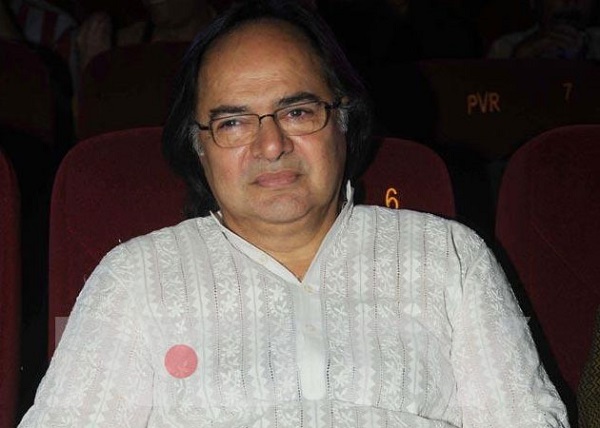
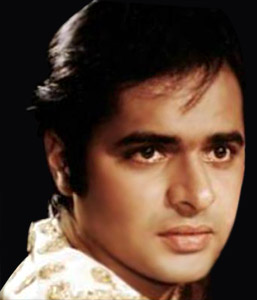
farooq sheikhFarooque Sheikh was the eternal reel sweetheart, the man with more than good looks and a formidable acting talent. He did few films, but made an impact with each one, before moving on to do theatre and television and making a mark there as well.

For somebody who seems to be so soft-spoken on screen, Farooque Sheikh in the flesh comes as a bit of a surprise. He minces no words, spares nobody in his criticism. Recently, he took up the cudgels against the Tamil Nadu Government in favour of Kamal Haasan’s Vishwaroopam, which the Government banned from release despite certification from the Censor Board. “Of what use is the Censor Board if the Government is going to Talibanise films and filmmakers in this fashion?” Sheikh had famously thundered on TV.

I met and interviewed the actor twice, once in the 1990s and then in 2005 when he was speaking at a seminar here in New Delhi. He’d been his usual outspoken self and did not hedge around questions. It is refreshing to find film personalities like him who are not much bothered about political correctness.

Sheikh had a lot to say about the Hindi film industry, and how hypocritical and money-crazy the current generation of filmmakers are.

“Successful filmmakers in Bollywood today have big budgets, but no sensibility or sensitivity. Cinema has become totally commercial, a Farooq Sheikhcommodity to be sold,” he said. “There are no film producers today like K Asif and Guru Dutt and Bimal Roy, or even Mehboob sahib. Mehboob sahib had no money, yet his passion drove him to make films. Bimal Roy lived in a rented accomodation all his life. It took MS Sathyu a full 20 years to repay the loan he took to make Garam Hawa. That level of commitment is missing in today’s film producers. Today, film producers simply go by whether the film will be a box office hit. Maybe because there are too many business interests involved.”

We soon began chatting about stereotyping of communities in Indian cinema. He became quite animated on this subject. “Community perceptions in our films have always been about stereotypes. The Christian girl is a girl dancing or wearing short skirts with signs that she is a ‘fast’ girl. The Parsi is always shown as blundering. The Sikh is either a soldier or a man constantly eating parathas; nobody on screen shows him like Manmohan Singh.

“In the case of Muslims, the characters are hardly believable. Why do they portray the Muslim man always in a lungi and a vest? Or he is a gaddaar. As a token, one of them will be very patriotic so that the entire community is not misunderstood. The other stereotypes, with 300 aadabs in one film and women wearing ghararas or cooking kormas, are also absent in real life Muslim households.”

farooque shaikhHe added that since cinema was popularly perceived to be an entertainment medium, so whatever was shown on the big screen was automatically assumed to be something that need not be taken seriously. “So nobody complains about these stereotypes.” He was also quick to point out that television does have a bigger impact on people’s lives than cinema, and that things shown on TV have sometimes been life-changing in villages.

Who, in his opinion, held out some hope as a filmmaker? “Anand Patwardhan,” he replied. “He has fought the system. And fighting the system is not an easy task.”

Watch a trailer of the charming Chashme Buddoor starring Farooque Shaikh and Deepti Naval:


(Pictures courtesy movies.ndtv.com, www.indianetzone.com, www.santabanta.com, www.thehindu.com)

Exit mobile version