Categories
Beauty

Have a good-looking vacation

It’s easy enough to care for your skin at home. But what do you do when you’re out on vacation? We bring you tips to look beautiful even on your vacation in the rains.
by Deepa Mistry

Indian monsoons are truly beautiful; the green spread soothes the stressed mind; dust is washed away, as is the heat-induced weariness of people, but when it pours cats and dogs, some might prefer to cosy up in the house and enjoy the rains. But we also love to be adventurous in this season and take mini breaks.

However, the monsoon plays havoc with your skin and hair. Add to that the change in climate and location on your holiday, and you end up looking like something the cat brought in. But if you follow some simple tips, you can look pretty on your vacation and enjoy great skin and hair, too.

Manage those tresses

– Climate change can cause hair to go limp. Avoid tying them for too long, especially if they are wet. Wet hair can cause dandruff and itchiness, which causes hair fall. Carry a handy towel and a wide-toothed brush to avoid tangles. Add a playful look to your hair by using accessories like hair bands, colourful clips and pins.
– Good cleansing and conditioning is essential, so make sure you carry a mild shampoo and conditioner.
– Try a loose bun, loose hair, loose side pony tail and protect your hair from exposure to humidity. Rains can dampen your hair but avoid using hair styling products like blow dryers or styling iron. Let your hair dry naturally.
– If you decide to walk in the rains, wear a jacket with a hoodie or carry a trendy and colourful umbrella to add a glam touch.

Footloose
– Avoid wearing closed shoes. Skip the leather boots and high heels and opt for colourful rubber flip flops, but avoid walking in dirty water as it might cause fungal infections. Open footwear makes it easier for water and dirt to seep out, keeping feet still fresh.
– Make sure you wash your feet with clean water after you get indoors. Pat feet dry. talcum powder on feet
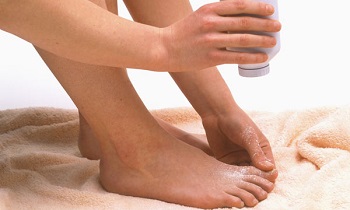
– After drying your feet, apply some talcum powder and air your feet for a while.
– Before going to sleep, apply moisturizer on your feet. This helps you get rid of the dead skin and keeps feet clean, smooth, and allergy-free.
– Get a pedicure before your trip. Keep nails trimmed.
If your footwear is soaked in rainwater, make sure you dry it before use the next day. Damp shoes offer a breeding ground to bacteria and germs, which ultimately lead to infection.
– If you are headed for the mountains, you might have to wear socks and shoes. Apply talcum powder inside your socks before you wear them, this will help feet stay fresh and help avoid smelly feet.

Skin care
– Drink as much as water you want, don’t worry about the frequent urination. Water will keep your body hydrated and add a freshness on your face.
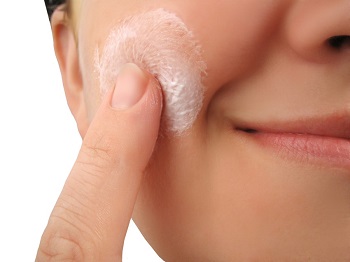
moisturise skin– Moisturising is very essential, so before you sleep also apply lots of moisturiser to keep skin soft.
– Use lots of sunscreen before you head out, even if it’s pouring outside.
– Go easy on the makeup. If you must use a lipstick, we recommend a long-stay water resistant one. Opt for bright pinks or coral and avoid lip gloss. Add a dramatic touch to your eyes by opting for colours like blue, purple and green as they are the best colours this season.
– Stay away from heavy and creamy skin products. Go for a good quality oil-free matte primer, and a light oil-free base.
– Sheer film of light brown, beige, pastel or pink cream eye shadow can be used along with a thick line of eyeliner. Avoid liquid liners; opt for a pencil eyeliner or kajal instead.

We hope our tips help you on your monsoon break. But remember to also eat and drink right for an extra fabulous monsoon vacation!

(Pictures courtesy www.personal.psu.edu, him.uk.msn.com, www.eveorganics.com.au, blog.docsuggest.com)
Categories
Wellness

Tame your bad breath

Bad breath can happen to anybody, so use a few tips and tricks to ensure you don’t suffer from it.
by Beverley Lewis

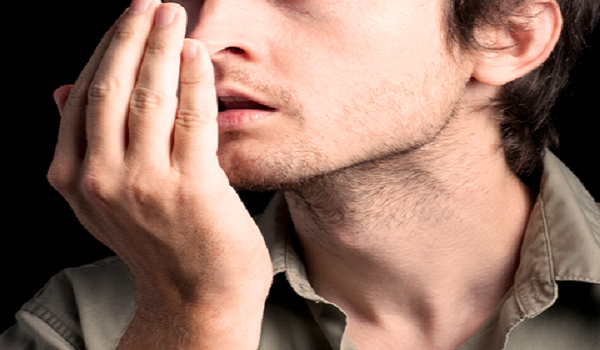
Ever been in a situation, when you were trying to talk to someone and they were trying to avoid you by looking in another direction and wrinkling their noses, all because you have the breath of a dragon that lunched on an entire pod of garlic? Let’s face it, bad breath is very undesirable, uncomfortable, and can certainly ruin our day. But fortunately, these fixes will help tame your bad breath or halitosis.

rinse mouth with waterHydrate. A dry mouth is a haven for bacteria that causes bad breath. So, swish water around in your mouth. Water will temporarily dislodge bacteria and make your breath a bit more palatable. At the end of a leisurely lunch or romantic dinner, munch the sprig of parsley that’s left on your plate. Parsley is rich in chlorophyll, a known breath deodoriser with germ-fighting qualities.

Oranges will kill it. If you can get your hands on an orange, peel and eat it. The citric acid it contains will stimulate your salivary glands and encourage the flow of breath-freshening saliva. If there are no oranges in sight, eat whatever is available, except known breath-foulers like garlic, onions or a stinky cheese. Eating encourages the flow of saliva, which helps remove the unpleasant, odour-causing material on the back of your tongue.

Scrape the tongue. Vigorously scrape your tongue over your teeth. Your tongue can become coated with bacteria that ferment proteins, producing gases that smell bad. Scraping your tongue can dislodge these bacteria so you can rinse them away. If you have a metal or plastic spoon, use it as a tongue scraper. To scrape safely, place the spoon on the back of your tongue and drag it forward. Repeat four or five times. Scrape the sides of the tongue as well, with the same back-to-front motion. Don’t push the spoon too far back, however, you may activate your gag reflex.

Raid the pantry. Cloves are rich in eugenol, a potent antibacterial. Simply pop one into your mouth and dent it with your teeth. The pungent aromatic oil may burn slightly, so keep clovesthat spicy nub moving. Continue to bite until the essence permeates your mouth, then spit it out. Don’t use clove oil or powdered cloves; they’re too strong and can cause burns.

Seed it. Chew on fennel, cardamom, or anise seeds. Anise is known to kill the bacteria that grow on the tongue. The others can help mask the odour of halitosis or bad breath. Or you can suck on a stick of cinnamon. Like cloves, cinnamon is effective as an antiseptic.

Some more tips and tricks:
– Use a toothpaste that contains tea-tree oil, a natural disinfectant.
– Use an oral irrigator, which is a handheld device that rapidly pulses a small jet of water into your mouth, to flush out the bad bacteria, which can go deeper than a brush or floss stringtoothbrush can reach.
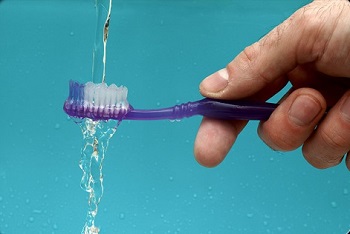
– Carry a toothbrush with you and brush immediately after every meal. With prompt brushing, you thwart the development of plaque, the soft, sticky film that coats the teeth and gums.
– To keep your toothbrush free of stink-triggering bacteria, store it, head down, in a lidded plastic tumbler of hydrogen peroxide. Rinse the brush well before you use it.
– If you wear dentures, it’s possible that they are absorbing the bad odours in your mouth. Always soak them overnight in an antiseptic solution, unless your dentist has advised you otherwise.
– Don’t skip meals. When you don’t eat for a long period of time, your mouth can get very dry. It becomes a perfect breeding ground for bacteria.
Some things can sour your breath even if there are no bacteria in the neighbourhood. These include cigarettes, alcohol, onions, garlic and especially strong cheeses like Camembert, Roquefort, and blue cheese. In situations where sweet breath is a must, use the commonsense approach—just say no.

With inputs from Devki Wakefield, Holistic Practitioner, Westchester, New York.

Categories
Wellness

Five diseases your pet can give you

Our pets give us love – and skin diseases and other infections. Here’s how to protect yourself against five maladies.
by Beverley Lewis

We love them, cuddle with them and treat them like family. And these cuddly, furry creatures reciprocate in kind by showering us with unconditional love and affection. They lick our hands and faces when we are feeling low and offer us a friendly paw in greeting. But these furry bundles of joy are also carriers of germs that they unknowingly pass on to us, leading to skin rashes and infections. Here’s a list of five skin infections you can get from your beloved pets, and steps you can take to prevent them.

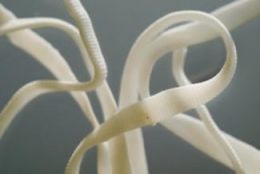
hookwormHookworm: It is primarily transmitted from animal faeces, dirt, or contaminated soil. Humans pick up the eggs or larvae on their skin from contaminated soil when walking barefoot in parks and gardens frequented by animals. Puppies and kittens can acquire hookworm from their mother’s milk. If the nursing mum has an infestation, this is then passed on to human beings.

Hookworm larvae have the ability to penetrate human skin and a rash forms on the skin where the larva enters. The most common area for a rash is on the feet of a person who has walked barefoot in sand or soil containing hookworm larva. It is also possible to acquire a hookworm skin infection in the form of a ‘travelling rash,’ where you’ve possibly been exposed to contaminated soil and have a mysterious rash moving around on your skin. It can also cause serve coughing, chest pain, wheezing, fever, epigastric pains, indigestion, nausea, vomiting, constipation and diarrohoea can occur early or in later stages as well, although gastrointestinal symptoms tend to improve with time. Signs of advanced severe infection are anaemia and protein deficiency, including emaciation, cardiac failure and abdominal distension.

Roundworms: They are large and spaghetti-like in appearance. And they can create a full-blown infestation in your pet before you are even aware of their existence. By the time you see signs of roundworms in your dog’s or cat’s faeces or vomit, he’s overrun with them.

Don’t count on seeing roundworms or hookworms to alert you to an infestation. If you suspect your pet has been exposed, you should collect a stool sample and drop it by your vet’s office for an analysis. Your pet will typically acquire a roundworm problem by eating infected faeces. The infection can also be passed from a female to her unborn puppies or kittens across the placenta. The babies develop their own infection while still in the uterus and are born with roundworm.

Roundworm infections in people are most commonly transmitted through ingestion of contaminated soil. For example, if you pull vegetables from your garden and don’t wash them thoroughly, you could ingest soil that is contaminated with roundworm eggs. Because humans are not the perfect host for roundworms, they tend to travel through the body and create problems like organ inflammation. In fact, they are known to migrate through the eyes of small children. It is not uncommon for an eye doctor to discover roundworm larva at the back of a child’s eye.

Obviously, it’s very important that puppies and kittens be de-wormed if they are carrying a worm parasite like hook or roundworm. An infected pet new to your family creates an unacceptable potential for exposure – especially when it comes to young children.

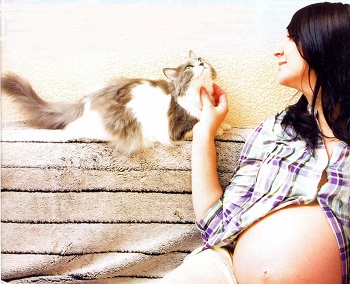
Toxoplasmosis: This is a zoonotic disease any warm-blooded vertebrate can acquire, however, infections are most common in cats and humans. Most at risk are pregnant women taxoplasmosisand people who are immunosuppressed. For example, an AIDS patient runs a much greater risk of acquiring a toxoplasmosis infection than a person with a healthy immune system. Children are also at higher risk.

If you are pregnant, avoid cleaning your cat’s litter box. If you feed your pet a raw food diet, freeze fresh meat for three days to kill off any toxoplasmosis living in the tissues. This will make the meat safer for you to handle and healthy for your pet to eat.

Lyme disease: This is a vector-borne illness; a vector is the vehicle of transmission, in this case it is the Ixodes tick, also known as the deer tick or the black-legged tick. The tick transmits the Lyme organism to a dog or a person and both can become infected.

Acute Lyme disease causes fever and lethargy. People also tend to get rashes, and dogs tend to develop transient amenesia along with the other symptoms. Chronic Lyme infection in people can lead to polyarthritis, an immune-mediated degenerative disease, which can lead to kidney disease.

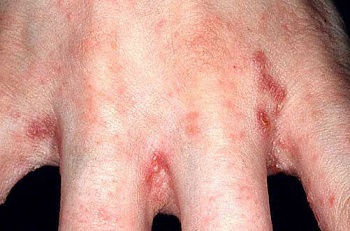
scabies on the handScabies: This is caused by tiny spiderlike mites that are transmitted through contaminated grooming equipment and kennels. Scabies will cause your pet to scratch and bite at its skin. The severe itching is caused by female mites tunnelling a few millimetres under the skin to lay their eggs. The eggs hatch in three to 10 days. The immature mites develop into adults and begin to lay eggs of their own.

The entire life cycle occurs on the dog’s skin, and takes just 17 to 21 days. When transferred to humans, it can produce an itchy rash around the belt line. Scabies mites, however, do not live on human skin for longer than three weeks. If the problem does not disappear in three weeks, look for a continuing source of infestation.

Stay parasite-free
– Wash all vegetables thoroughly before you serve them to any family member, human or pet.
– If you garden, wear shoes and gardening gloves. Wash your hands and other exposed skin if you come in contact with soil.
– Practice good tick protection. Do regular tick checks on your kids and your pets. If necessary, use safe tick repellents to prevent tick attachment.

With inputs from dermatologist Dr Poonam Wadwani, D&T Medical Centre, Mumbai.

(Pictures courtesy www.thefastertimes.com, hubpages.com, saludable.infobae.com, www.visualphotos.com)

Categories
Deal with it

Fake ransom calls and a bigger crime

Demanding ransom for a kidnap, man arrested and found to be a habitual bag snatcher with a past police record.
by The Editors | editor@themetrognome.in

Mumbai sure does witness a lot of strange goings-on. Sizeable unemployment and the lure of fast money prompts several to take up a life of crime in Mumbai, and it is often while investigating a certain crime that another crime or criminal surfaces.

Take, for instance, the case of Yogesh Jaiswal (26). A few days ago, he saw the posters of a missing 20-year-old from Borivli. Studying the posters and the boy’s photo on them, Yogesh had a (or so he thought) bright idea to make some quick money. So he dialled the phone number listed on the poster, and finding that the number belonged to the missing boy’s father, demanded a ransom of Rs 10,000. He is said to have told the man that he had kidnapped his son, and that the money was to be deposited to an account in a bank located in Uttar Pradesh, if he was to see the boy alive.

A case had been registered at MHB police station, and police were suspicious about the fact that despite repeated pleas, the ‘kidnapper’ had not allowed the missing boy to speak with his father. A round of investigation later, Yogesh was arrested from Borivli railway station on July 13, and the mobile phone he had made the calls from was seized from him, as well as an ATM card.

Surprise!

But though Yogesh confessed to not knowing anything about the missing boy and having made the ransom call only to make some money, cops looked up his name and found a bigger story. “We found that he specialised in stealing bags from Government offices,” said an official connected with the investigation. “He would try to use the ATM cards he would find in the bags to steal money. Previously, he had stolen bags from the Income Tax building at Marine Lines and the CST Railway office. In 2010, the Azad Nagar police station had arrested him for stealing bags, and he had been to jail for the theft.”

Yogesh was out of jail a few months ago, and is not a permanent resident of Mumbai. As per police records, his native place is in Sambarkata, Gujarat.

Meanwhile, the whereabouts of the missing 20-year-old are still not known.

(Picture courtesy www.huffingtonpost.com)

Categories
Beauty

Lip service

Soft, healthy pink lips lend a fresh look to your face. If you’re looking for juicy, luscious lips, read on.
by Beverley Lewis

Generally, when we meet someone, the first thing we tend to notice is their face and lips. Soft and healthy lips can adorn your face like nothing else can. But our lips are the most sensitive part of our body and require a little TLC.

Most of us are lusting after beautiful pink plumped up lips, but what we don’t know is that our lips are like a sponge. When exposed to moisture, they absorb water and plump up. When dehydrated, they dry out and shrink. Also, the skin on our lips is unlike skin anywhere else on the body. It is thinner and has no oil glands, which can result in red, rough and chapped lips. If you are suffering from any of these afflictions, simply follow these seven steps:

Get watered: Drinking enough water, at least six to eight glasses a day, will not only keep your skin well hydrated, but will give you moist, smooth lips.

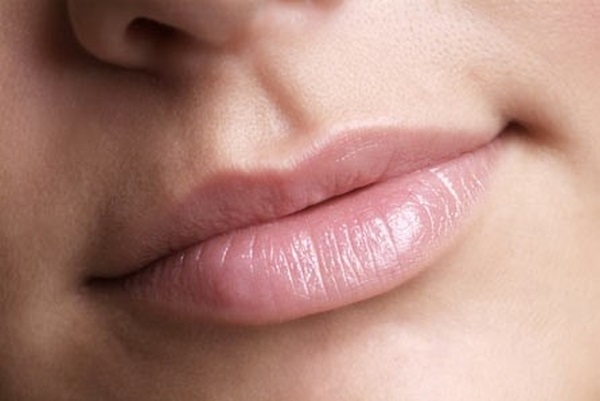
Lip BalmBalm it: Choosing the right lip balm is an integral part of lip care. A lip balm seals moisture in the lips and makes them smooth and kissable. Also, there’s a wide range of lip balms available for sale and which are designed to tackle varying degrees of lip dryness. Opt for lip balms containing beeswax for mild dryness and petrolatum for moderate to severe dryness. Lip balms with shea butter, jojoba oil and cetyl alcohol are also good choices to combat dryness and chapped lips.

Scrub it: Lip exfoliators (products that contain fruit-acid-based alpha or beta hydroxy acids) help get rid of dead skin. A glycolic, pyruvic or mandelic peel can gently exfoliate the superficial dead layers, hydrate and lighten the tone of the lip. But if you have sensitive skin or your lips are severely chapped or cracked, use these products cautiously, no more than once a week

In the shade: Lips are susceptible to sunburn since they lack melanin, the pigment that helps shield skin from the sun. To combat this, apply a layer of a sun-protective product daily (you can simply dab a bit of your daily sunscreen on your lips) or look for a lipstick with SPF 15.

In the cold: In case of a cold sore, oral antivirals are needed to treat the episode and bring about rapid healing. An antiviral ointment applied frequently through the day serves as supportive treatment.

Lick no more: Soreness and cuts at corners of the lips are common in those who have a lip-licking habit. Also it could be a sign of deficiency of B-complex vitamins and zinc. Rich moist lipssources of these are lean meat, seafood, eggs, nuts and oilseeds.

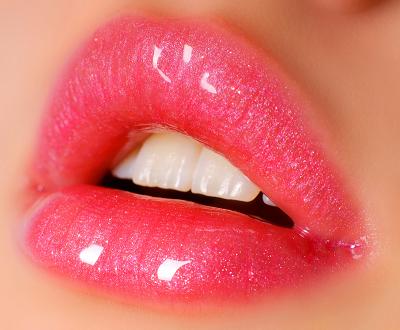
Matte no no: Matte lipsticks can be extremely drying, that’s why you should use them sparingly, especially if you suffer from chapped lips. Instead, use hydrating lipsticks (with ingredients like vitamin E and/or glycerin) or add a layer of moisturising lip balm underneath for plump, hydrated beautiful lips.

With inputs from Dr Rickson Pereira, Dr. Minal’s Dermatherapie Centre.

(Pictures courtesy www.womenlifestyle.com, www.rejoicewellbeing.com, know.burrp.com)

Categories
Guest writer

An accident and an eyewitness

A student witnessed an accident on the street just below his home. Read on to know what he did next.
anoojby Anooj Prabhu

“All human plans [are] subject to ruthless revision by Nature, or Fate, or whatever one preferred to call the powers behind the Universe.”

 – Arthur C. Clarke

You don’t witness an accident every day unless you are the motorman of a train in India! Being the only one present at the spot of accident is scary. I experienced something similar last Wednesday. I’d like to give you a detailed account of what happened.

Early morning of last Wednesday, I was trying to wake myself up since 3am so that I could complete my Physics journal and get it certified on time; I had my practical exams the next day and I couldn’t appear for them without a certified journal. After almost 12 times that I hit the snooze button, I finally woke up at 5 am and rushed to my study. I started scribbling in my journal, drawing two axes on a graph to plot my readings.

Mom is usually awake by this time. Surprised to find me out of the bed before her, she sat up, wondering. Suddenly, faint shrill noises could be heard outside our open window. We heard the noises clearly since the morning was otherwise silent.

It took around 15 seconds for my brain to register the cries. I was too involved in my graphs. I ignored the cries as I thought it must be a group of hooligans speeding on their bikes.
But the cries continued…

man watching from windowI turned towards mom,who by now was well awake and aware of  the noise. We rushed to the window to see something we had never seen on the road below our house.
A girl in her late teens, sporting a yellow top with blue jeans and a bag pack was screaming at the top of her voice. We wondered what had happened to her. Turning my gaze, I saw a young boy sitting in the middle of the road near the divider. That was even more confusing. None of this made sense till I saw something else.

The girl paused her screaming for five seconds and bent down to a person lying on the road to shake him vigorously, only to get no response from him. Now I understood. It was an accident. An accident had occurred early in the morning and injured a person seriously.

After five minutes, a group of people (mostly joggers) gathered around the girl, someone ran towards the auto-rickshaw stand and directed one of the autos towards the spot. They lifted the injured man and put him in the auto and rushed him to the hospital.

All this while, I simply kept watching the scene below. I could have been of great help being the first witness, but I didn’t dare to go to the injured man and offer my help.
⦁ Firstly, I had to complete my journal which was of utmost importance to me. Besides, our education system doesn’t allow us to care about a dying man before our studies!
⦁ Secondly, I knew whatever I would see down there would affect my entire day, and at this stage, I cannot afford wastage of days.
⦁ Lastly, I didn’t want to get involved in a police case and get interrogated by them needlessly.

All the above reasons do summarize that i was a coward,and this feeling would haunt me for the rest of my life.

After the injured man was rushed to the hospital, I gathered some courage to step down to the accident spot. I was curious to know what exactly had happened, but no one knew what had happened and how serious the injured man was. People had gathered anew at the spot that had a pool of blood where the man lay earlier, a damaged Kinetic Honda and the police had two teenaged boys in their custody.

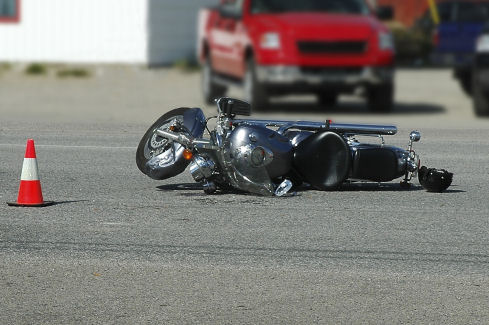
The boys were 15 and 13 years old; they had borrowed the vehicle from their friend to drive without the fear of cops hauling them for driving without the licence. They were speeding eyewitnessbecause the roads were free of traffic and they had the roads for themselves. They had failed to notice a newly-constructed speed breaker that made the vehicle jump from the breaker curve. They lost control over the vehicle and failed to apply brakes; after covering a distance of 60 metres with their out-of-control-vehicle, they ultimately rammed it into the man, killing him on the spot. Yes, even before any of us could start praying for him, he breathed his last the very moment he met with the accident due to a serious injury to his head.

Thinking that the boys would be booked for rash driving, driving without licence and murder under the Indian Penal Code, sending them to juvenile homes and their parents facing trials and punishments on their behalf, I left the spot.

Whereas the person who was killed was a 22-year -old young man who was going to work. He had a family to support in Jaunpur (Uttar Pradesh) and was the sole bread winner of the house. He shared his room with four other people to save money. I don’t know what his family is going through now. I never thought that ramming a two-wheeler into someone can get that someone killed. I’d never heard or read such a thing before, only to see it myself that day.

My family was always against driving a two-wheeler because they are never safe, and if someone meets with an accident,the survival chances of that person are less than 5 per cent! After last Wednesday’s incident, I have developed a phobia of riding a two-wheeler. I have also started to regret driving before being eligible to do so.

I confess I am a little ashamed of myself.

Anooj Prabhu is a 19-year-old Malad resident who is currently studying Physics. His hobbies include meeting new people, travelling, reading and writing. 

(Pictures courtesy www.insuranceproviders.com, news.discovery.com, footage.shutterstock.com)

Exit mobile version