Categories
Beauty

Goodbye, acne

Suffering from acne? Get some help with these five easy DIY ways to fight acne for a blemish free skin.
by Deepa Mistry

The weather is currently yo-yoing, unable to decide between rainy gloom or sudden bursts of sunshine. And this causes breakouts on your face and other parts of the body.

treat acneEvery woman dreams of having a clear skin, but waking up with a giant zit is a horror that each of us experiences from time to time. A pimple always catches you off guard on the day you want to look your best. Most of us would just cover it up with lots of makeup, but no matter how much foundation and concealer you slather on, it’s just a temporary remedy.

Acne can be very distressing; and though your pimples can be treated with various treatments, they leave permanent scars. People believe acne happens only to teens or people in their late teens, but we find that breakouts are increasingly caused in adults due to stress, lifestyle choices and hormonal changes.

Dr Manisha Shah, dermatologist, says, “Acne is mostly seen on the face, but it can also occur on other parts of the body, such as on the neck, back and the shoulders. A pimple arises due to some sort of skin damage; during the healing process, the body creates new skin cells and collagen fibers – this repair process leads to the formation of acne scars.

Its full form is Acne Vulgaris. Acne is also caused during adolescence, ovulation, menstrual cycles, pregnancy or if birth control pills are taken. Blood impurity causes acne breakouts too, so avoid oily and junk foods.”

But all is not lost – you can combat acne with a few simple home remedies. Try these five simple tricks:
Aloe vera: It is most easily available in almost every household. The magic lies in the gel-like substance found in its leaves, which has the ability to heal skin problems. Peel the green upper portion of the leaf, and scoop out the gel with a spoon. Apply a little quantity to the scarred tissue. Apply twice a day, leave it for half an hour and wash with water. Over a few days, you will notice that not only does the acne scar become undetectable, but your skin also feels tighter and gets a distinct glow.
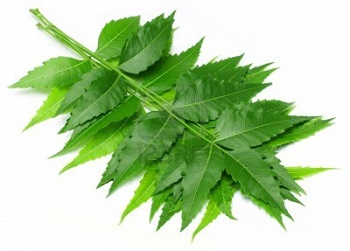
neem leavesNeem leaves: Neem contains alkaloids which have antibacterial, antiviral and antifungal properties. This makes it effective against a wide range of skin problems, right from acne and eczema to ringworm, because it also has the property of cleansing the body of toxins. Make a neem paste with a little water and apply on the affected area for some time. You will see the difference over a period of time.

Baking soda: This handy kitchen must-have is the simplest and fastest cure for acne. Mix a teaspoon of baking soda with water to form a paste. Just slather it over your zits before you go to bed and rinse it off in the morning. Similarly, a corn starch and water mask also helps exfoliates skin.

Toothpaste: For a quick anti-redness remedy, cover your pimples with toothpaste, leave for 10 minutes or so, and then rinse. For a deeper cure, apply toothpaste on your pimples before going to bed and cover with a bandage or soft cloth, and leave overnight. Wash the toothpaste off in the morning. If you have sensitive skin, do not opt for toothpaste with whitening properties.

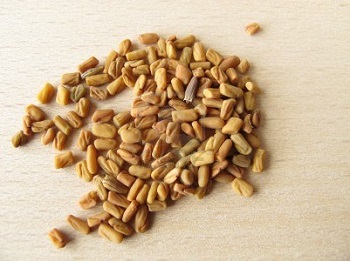
Fenugreek and cumin seeds: The most recommended remedy for pimples. A fenugreek paste made with water is the fenugreek-seedsperfect aid to avoid further breakouts. A paste made with cumin seeds mixed with water is a must as it is a rich source of zinc.
Apart from the above tricks, the two key ingredients to use are cucumber paste and lime juice. Cucumber applied daily removes dead skin cells and cleans pores, while keeping skin hydrated and moisturised to remove extra oil. Lime juice also plays a key role in preventing acne; it not only does not allow pimples to dry out, but it also kills acne bacteria, providing a calming effect to the skin. Besides, its vitamin C content maintains healthy and glowing skin. Simply rub a cotton ball dipped in lime juice on your face every day and rinse.

The simplest remedy is detox. Drink a lot of water, eat garlic every day, and consume foods with a high content of vitamins. Try including eggs, carrot juice, lean meats, green leafy vegetables, chicken, oats and mushrooms in your diet. Cut down on oily food, caffeine, alcohol and carbs.

Avoid oil-based cosmetics and try some deep breathing exercises, as stress is a major cause for acne. Nowadays acne-curing pills are also easily available in the market, but they contain hormone affecting properties which can harm you. Pimple extractor creams are also available, but they can cause skin irritation and can leave marks.

(Pictures courtesy www.drkabra.com, www.123rf.com, lanasbeautyzone.com, www.biobloomonline.com)
Categories
Wellness

Pepper season

Apart from enhancing the flavour of our food, black pepper can cure vitiligo, aid digestion and even lessen joint pain.
by The Editors | editor@themetrognome.in

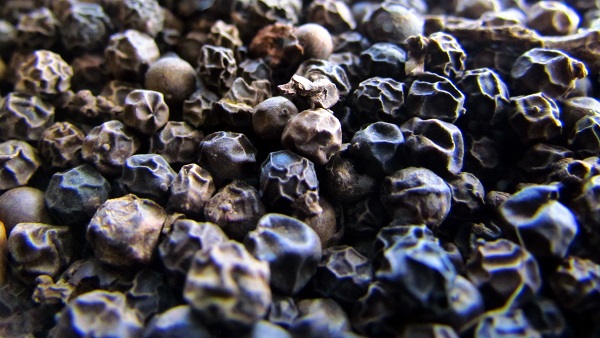
It’s dark and so beautiful, you’ll wonder why it only plays a supporting role in your life, that too, only in your food preparations. We’re talking about black pepper – the fruit of the black pepper plant from the piperaceae family. In our country, it is native to the state of Kerala. Piperine, a chemical present in it, gives it a nutritional punch and its spicy bite.

Why use black pepper in cooking?
It is an anti-bacterial and anti-inflammatory agent, and its nutritive value is preserved even after the cooking process is complete. It not only enhances the flavour of our food, it also aids in the absorption of nutrients in the blood. It is best used whole, instead of in a powder form. However, it should not be used in high amounts, because it may cause irritation of the gut. Excess pepper may also cause sneezing.

What does it contain?
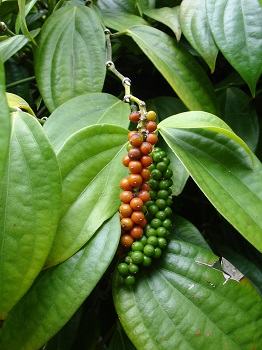
Black_pepper fruitBlack pepper is a good source of Vitamins C and K, potassium, dietary fibre, iron and manganese. The good news is that all of it is useful, even the outer skin of the peppercorn. It is known to have a ‘scavenging’ quality once ingested, which accounts for its purifying and healing properties; this has implications for several medical disorders, especially those that see a rise in free radicals (such as injuries and diseases like cancer).

Digestion woes? Zap them with black pepper. Piperine increases the secretion of hydrochloric acid in the stomach, which in turn, contributes to a smoother digestive process. Black pepper also reduces intestinal bloat and gas, and flatulence after meals. Since it causes sweating, it aids in the removal of toxins through sweat.

Vitiligo cure: Do you suffer from vitiligo or leukoderma? Does your skin have the tendency to develop light patches, owing to a loss or deficiency of pigment? Black pepper has been used in Ayurvedic medicine for years to treat these specific conditions. Black pepper is used in Ayurvedic oils and ointments as an external applicator to induce the increased production of melanin. This cure finds its place in Allopathy, too, where an ointment or paste containing black pepper is first applied over the affected area of the skin before it is given a UV light treatment.

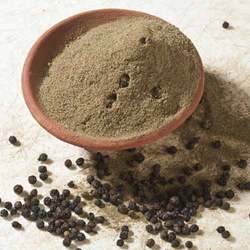
Vitamin C power: Its Vitamin C content makes black pepper a potent force in treating cough, cold, sinusitis and congestion. It is also a good anti-black pepper powderbacterial, thus helping treat constipation and diarrhoea. When boiled with a neutral oil as a base, or simply crushed and used over a painful tooth, it is known to alleviate the pain associated with dental problems. Additionally, it provides localised relief from insect bites. When used in oil massage, it is known to lessen joint pains.

Excellent antioxidant: Black pepper shows tremendous promise in fighting free radicals in the body. It seeks out free radicals and minimises the damage caused by them. This has huge implications in the treatment of such diseases as cancer, especially skin cancer.

Fat loss: Black pepper assists in the faster breakdown of fat cells. This helps the body respond faster to exercise and a controlled diet, thus resulting in weight loss. Additionally, it boosts metabolism and attacks belly fat. Naturopaths insist on black pepper being added to the diet of obese patients. Apart from providing these benefits, black pepper also causes sweating and urination, for the removal of toxins. It is also good for the heart, since it helps in the clean-up of arteries and in purifying blood.

Alleviates depression: Piperine is known to act on the central nervous system. The stimulation it provides acts like an anti-depressant. In turn, this improves cognitive capacity and function.

 (Pictures courtesy R Boroujerdi, commons.wikimedia.org, www.indian-spices-exporters.com, hawaiiplantdisease.net)

Categories
Wellness

Stay fighting fit this season

Keep yourself and your family fit this rainy season with some expert tips for eating healthy food and staying disease-free.
by Deepa Mistry

The monsoon season is always greeted with a hearty welcome by soaking in the rains after the scorching summer heat, sipping your favourite cuppa from the road side chai tapri. Like many others, I love this romantic season, especially with some hot road-side vada pavs and kanda bhajjis to gorge. But the street food that we crave in this season is actually a gateway for viruses and illnesses; therefore we must avoid eating out at all costs.

The monsoons come with both pros and cons; they reduce our overall immunity and make us susceptible to many diseases. We have to help our body resist these diseases, by boosting our immunity and taking precautions. Some of the diseases associated with the monsoon are malaria, jaundice, and gastro-intestinal infections like typhoid and cholera. Apart from these, viral infections like cold and cough are common and spread fast.

Dr Vidya Yevale, nutritionist says, “During monsoons, it’s highly recommended that you avoid outside food, as high humidity makes your digestive system weak. It is important to get the right nutrition and keep your body resistant against diseases by boosting immunity through a healthy diet.”

Confused about what to eat and what to avoid? Wondering how to guard against diseases? Try these tips:
– Have a glass of warm water, one teaspoon honey and a drop of ginger oil every morning. It will cure your sore throat and keep your skin hydrated.

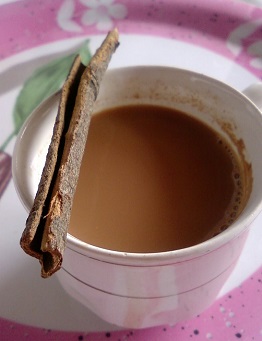
cinnamon tea– Skip your usual black and opt for tulsi or cinnamon green tea. These will also help you lose weight.

– Only drink boiled and purified water from home. If you are travelling, carry your own bottle of purified water.

– Eat raw vegetables and fruit only if you have washed them properly. While washing fruit, add a teaspoon of vinegar to a bowl of water and soak all your fruits for 5 minutes. Wash with plain water before you eat. This method helps wash away all dirt and chemicals.

– Avoid buying pre-cut vegetables and eating salads or cut fruits at restaurants and roadside stalls.

– Try to avoid direct intake of dairy products like raita and cottage cheese (paneer) while eating outside. Curd or buttermilk is a preferable option over milk.

– Eat fresh home-cooked food and add a little ginger-garlic to all your meals. Ginger is known to have properties that increase immunity.

– Hot soups are the best to fight cold and cough during this season. Add some pepper as it is loaded with vitamins and disease-fighting properties.

– Try and avoid too much of fish or meat. Stock your fridge with green vegetables, cereals and fruit. Also avoid fried or overcooked food since it decreases your body’s digestive efficiency.

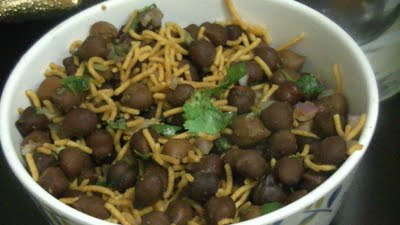
Homemaker Prerana Singh shares her healthy cooking tips. “During monsoons, my kids love to munch on street food like samosas, corn-on-the-cob, chaats but avoid home cooked chana chaatfood so I have started making all these dishes at home. I secretly add vegetables they don’t like in my home-made burger patties and samosas and they love it.”

Children can nag you for street food during the monsoons, so make sure you eat from a good restaurant and the food served is piping hot. Also, drink plenty of water as it helps wash out all the toxins and helps you detox. As you eat healthy this monsoon, stay fit by trying some easy exercises at home – try yoga, pranayama and Surya Namaskar – which will boost your immunity against cold and flu.

(Pictures courtesy healthmeup.com, foodsapor.com, easiestrecipes.blogspot.com)

Categories
Wellness

Plum stories

Plums provide a host of health benefits to both fortify and beautify. Good news is, it’s plum season in Mumbai!
by The Editors | editor@themetrognome.in

Nature has the most wonderful way of making certain fruit and vegetables available to us as the seasons change. With the rains lashing the country presently, we’re suffering from monsoon-related illnesses, and certain fruit available this season can help you fight back.

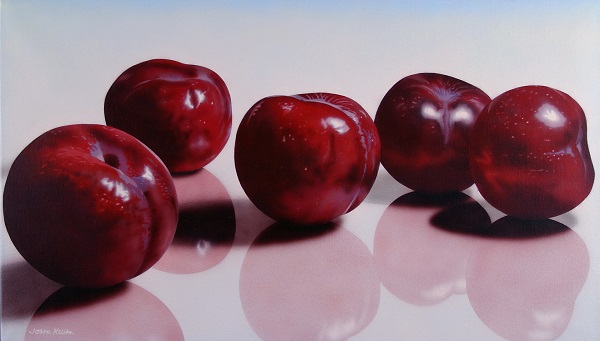
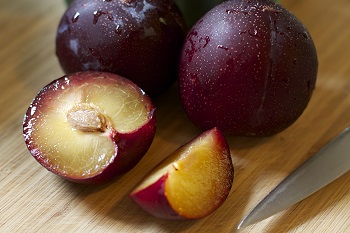
Of these, plums should be your first choice. This beautiful fruit, whose dark red variety is available in our country, packs a punch when it comes to providing nutrients to not just beautify the human body, but also fortify it. Good news is, the freshest plums are currently being sold in Mumbai (about Rs 50 per half kilo), so you can go ahead and indulge.

What plums contain: Plums contain liberal doses of potassium, Vitamin A, iron, riboflavin, thiamine and magnesium. This fruit is a good source of fibre, which in turn helps digestion. A standard cup of pitted plums comprises 26 per cent Vitamin C, 13 per cent Vitamin K and 11 per cent Vitamin A, as per the US Department of Agriculture.

plums Purifying blood: Research shows that the fibre-providing nature of plums helps to prevent platelet clotting, which may in turn lead to blood disorders like arteriosclerosis and high blood pressure. Plums help purify the blood by liberally oxygenating it, and are recommended for those prone to strokes and coronary heart disease. It improves gastrointestinal and liver function and thus prevents constipation.

On the workout menu: Confused about what to eat before you work out at the gym or go for a run? Grab a couple of plums before you start exercise. Plums contain citric acid that can prevent tiredness and muscle cramp. Besides, its high water content helps in hydration. Their sugar content will keep you in good stead during a rigorous workout, and you won’t pile on the pounds because plums are fat-free!

Healthy hearts: We’ve already said that plums are a great source of gut-cleaning fibre, but did you know that the fibre from plums also helps bring down cholesterol? The fibre in plums is ‘soluble’, which means that it binds to cholesterol and promotes its excretion from the body. It has the same effect with blood glucose and helps normalise blood sugar levels by slowing the absorption of glucose. A good way to ensure your heart gets the maximum benefit is to chop a couple of plums and add them to your bowl of oats for breakfast.

The eyes have it: Plums put the shine in your eyes – their Vitamin A content helps prevent macular degeneration and fights local infections. Regular consumption of plums has been known to improve eye health.

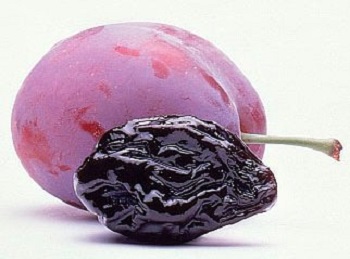
Antioxidant punch: Recent studies in the West show that plums may help in the battle against such life-threatening diseases as cancer. Plums are loaded with antioxidants, and are plums and prunesparticularly effective for patients suffering from cancer and heart disease, because the content of free radicals is high in these patients and antioxidants are required to fight them.

Healthy skin and hair: This season is all about taking care of your dull skin and limp hair, and with all their goodness, plums can help spruce up both. Eat two soft, ripe plums a day for optimum effect.

 (Pictures courtesy www.klesickfamilyfarm.com, www.grantustheluxury.com, www.happyhealthylonglife.com)

Categories
Beauty

Nailed it!

Planning a Sunday brunch or headed to the club with your girls? This weekend flaunt five DIY nail art designs.
by Deepa Mistry

Women love to dress up and there’s no way we like to leave our nails looking bare and unstylish. Nail art manicures are amazing, especially if you get them done from a professional nail art studio, but they cost a bomb, which is why I prefer to do my own nail art at home.

If you haven’t found the time to rush to the parlour for a manicure or pedicure, don’t panic yet because we’ve got the 5 best DIY at home nail art ideas. Express your personality with some fancy nail art which will add flair to your elegant outfit. While there is no need for total accuracy, some things to remember are:

– Don’t colour outside the lines. You can touch up any excess nail polish with a Q-tip or a cotton bud.

– Your nail art tools include some nail polish – a base coat to prevent discolouration of nails, a colour coat, and a top coat for lasting purposes – and a handful of other items such as stationery tape, bobby pins and cotton buds.

Try these five nail art techniques:

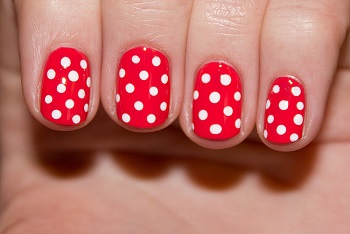
dotted nailsDotted nails: Wipe out all the old nail polish before you start. Shape your nails well. Start with a base coat. After applying a base coat, apply a coat of white nail polish. Make sure the shade you have purchased is opaque and not transparent. This will allow the bright colours to stand out even more. After these two coats are dry, start painting dots at the base of the nail in a straight line with the help of a toothpick or a bobby pin to get perfect round dots. You can use colour combinations like pink and blue, red and yellow or green, pink and purple. Once dry, apply a final coat of transparent nail polish for long lasting colour.

Tip: Base coat nail polish is specially formulated to smooth out the surface of your nails, thereby giving the polish an even surface to stick to. It also helps prolong the life of your manicure while protecting your nails from getting stained.

Glitterati: Start with the same base, then apply two coats of black nail polish. Once it dries off completely, place a strip of stationery tape at the base of your nail with a curved tip leaving only the top half exposed. Start with a glitter nail polish- gold, silver or mix and you will have a half moon with black and glitter.

Tip: Always apply two coats of any shade instead of one as the nail polish will last longer

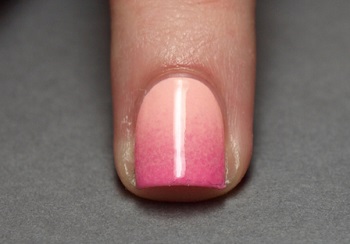
Ombre: Ombre nails are a type of manicure in which a gradient effect is created (see pic below). A light colour on the bottom of the nail gradually blends into a darker colour toward the tip. You will Ombre nailsneed three different neon shades of nail polish, sponge and scotch tape. Start with a base coat, then using the small end of a makeup sponge, paint three colours side by side. You could opt for pink, orange and yellow or try two colours, green and blue. Opt for vibrant colours as they stand out. Stamp the sponge onto your nail and press it over and over, slightly moving it up and down your nail to blend the colours. Stamp all your nails and wait for them to dry. Don’t worry about the nail polish on your skin. Once it dries, dip a cotton bud in acetone and wipe your skin to remove excess nail polish.

Tip: Soak the make-up sponge in water and drain it, leaving it damp but not wet. This will prevent nail polish from drying off faster on the sponge.

Bling it on: Start with the base coat, apply a pastel shade of nail polish on each of your nails, two coats each. Once it dries of completely apply a bright shade or a glitter one only on your ring finger. Add some accessories and carry it off with a chunky ring or a cuff and you’re set for the day! Try the new Sally Hansen range of crackle nail polish; do not apply to bare nails, apply two coats of your favourite nail colour. Once dried, add a thin or thick coat (depending on desired effect) of any Crackle Overcoat shade.

Tip: Do not leave the bottle open, close tightly when not in use.

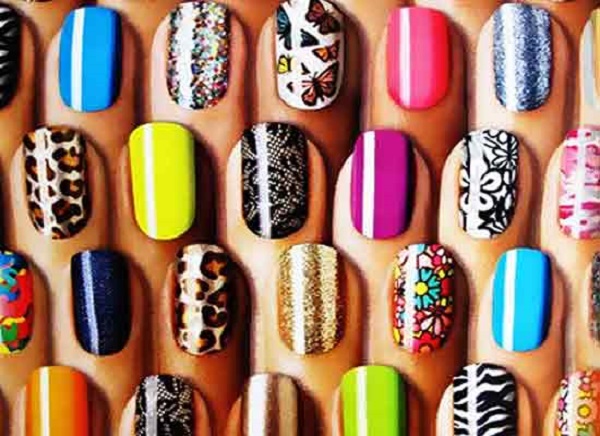
nail art stickersOn the go: Nail art stickers are easily available in the market too these days, L’Oreal Paris has a wide range to choose from with some outstanding bold prints which are a must-have for this season. Faces Canada also offers you artificial nails with ready nail art on it – just apply glue, stick them and voila! These days, stamping tools and stickers are available at any store, but always make sure you buy a well-known brand of nail polish as cheaper ones damage your nails.

(Pictures courtesy www.stylecraze.com, nailitblog.tumblr.com, www.glamour.com, www.oh-elle.com)

Categories
Wellness

A city of overweight children?

Leading surgeon finds young children in Mumbai and other cities are more prone to obesity; calls it a ‘generational curse’.
by The Editors | editor@themetrognome.in

We see them everywhere. On their way back from school, or rooted firmly to their seats in front of their computers, or lounging for hours in front of the television – fat children, with ever-expanding waistlines and astounding weights for people so young.

When children are infants, a bit of extra weight seemingly adds to their chubby charm. What is alarming is, however, that some children are not just unable to shed the baby fat, they are unable to stop expanding at all.

Dr Shashank ShahSays Dr Shashank Shah (in pic on left), noted laparoscopic and bariatric surgeon with a huge practice in Mumbai and Pune, “In my practice, and overall, the trend we are observing is that this current generation of adolescent and pre-adolescent children is afflicted not just by an unhealthy lifestyle, but a ‘generational curse’. It seems to be a shift in evolution that is prompting their metabolism to not function at peak optimum levels.”

What does this mean?
This simply means that the metabolic set point for this generation has moved; doctors are increasingly seeing children with BMIs (Body to Mass Index) of 28 and above; 28 is considered the ideal BMI for adults. “There is a shift of the BMI to a higher level. This does not happen suddenly – it is both genetic and evolutionary in nature,” Dr Shah explains.

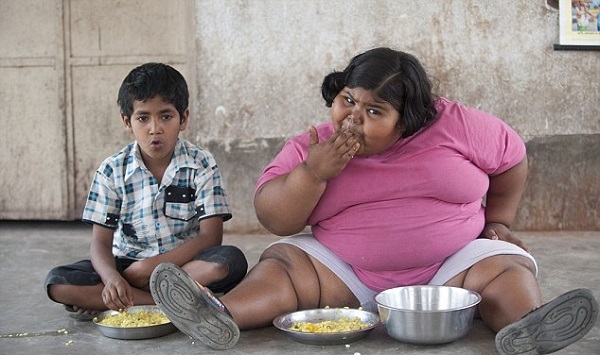
Not eating the right foods, not exercising enough or at all, and not being encouraged to lead a healthy lifestyle, are all combining to create obese childfatter, diseased kids. “Recently, at my clinic in Mumbai, there was a 12-year-old boy who came to see me,” Dr Shah says. “It seems difficult to believe, but 100 kgs is fast becoming an average weight for children.”

Diseases galore
A worrying trend, apart from the excess weight obese children are lugging around, is that they have several diseases right from a tender age. “Hypertension, diabetes, cardiac disorders…all of these are very common among obese children,” Dr Shah says. “Other problems that come at a later stage are fertility issues. Besides this, the fact that they are overweight and unable to do most activities that their peers can, also plays on them psychologically. However, many parents are slow to react to the problem. I have had several parents tell me that they enrolled their child in the gym because the weight was embarrassing,” Dr Shah explains.

He adds that most parents hardly ever realise that obesity is not an isolated disease – it brings with it other life-threatening conditions. “Their priority is weight loss. But why do they wait till the child becomes obese? They should see a doctor the moment they notice excessive weight loss,” Dr Shah says.

eating junkWhy is Mumbai at risk?
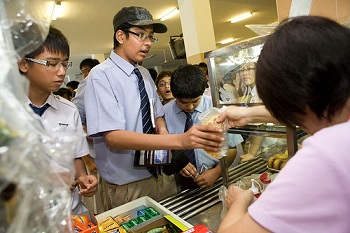
Simply because there are so many food choices and not enough spaces for recreation and outdoor play. “Working parents also have no time to see what their children are eating every day. Children also have liberal amounts of money to spend, so they tend to buy unhealthy junk food with friends,” says Dr Shah, adding that the cities in India and also Tier II cities like Pune are showing an upwards obesity trend in children due to poor eating choices.

(Pictures courtesy www.ibcclub.org, www.hindustantimes.com, infozone.wordpress.com, navimumbaicity.com. Pictures are used for representational purpose only)

Exit mobile version