Categories
Trends

Self-cleaning stones for buildings in Mumbai

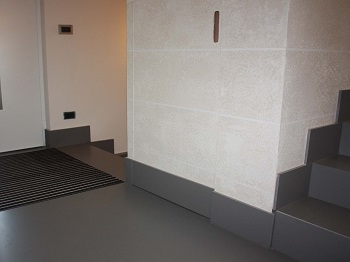
Lapitec stone slabs imported from Italy are slowly beginning to make an appearance in exclusive building projects in the city.
by The Editors | editor@themetrognome.in

There’s a new type of stone slab being used in a few premium construction projects in Mumbai, and the makers claim, it is a self-cleaning one! Apparently, Lapitec slabs are the largest in the world. They have a ‘self-wash’ feature, under which the stone cleans away germs and bacteria by itself. These slabs are normally used where very high standards of cleanliness are required.

We spoke to Akash Chavan, Executive Director for India Operations of Globus Procon Pvt. Ltd, the company which deals with importing the stone in India.

What is Lapitec stone ?

CASA PAOLO BERRO 3Lapitec is a natural inorganic ceramic material composed of 100 per cent natural materials, sintered at 1200 ° Celsius, produced in full body slabs using an exclusive technology developed by Breton S.p.a.

Where do you source it from ?

We import it from Italy. We are the sole importers of Lapitec in India.

Why did you decide to associate with this product ?

When we started out with this company, we always wanted to do something new and exciting. When we came across Lapitec during our extensive travels in Europe, we were convinced with the product and the various aspects associated with it that made it something to aspire for. As a result of the product’s novelty and the value of its features, we were honored to be associated with them.

How can one use Lapitec stones in their homes, offices or other usage spaces ?

Lapitec is the ideal solution for interior and exterior cladding, kitchen and bathroom surfaces, exterior paving and furniture and engraving application. With some imagination, its uses are virtually limitless.

Is the stone costly ?

Considering it is an extremely exclusive product and very futuristic, it is priced premiumly starting from around Rs 1,000/sq ft.

How popular is it in Mumbai ?

The potential of the product can be gauged by the fact that we are already working on projects before even officially launching the product.

Do you foresee a huge demand for it in the near future ?

We foresee amazing growth for this product as even the mindset of the Indian buyers is changing. The awareness among the buyers is growing due to extensive travels globally. We plan to tap the growing demand for lifestyle products among the people. Lapitec shall redefine the exclusive luxury stone market within the coming few years.

(Pictures courtesy Globus Procon Pvt. Ltd)

Categories
Do

Walk along the river Cooum

Join famous photographer Pa Madhavan as he follows the river Cooum and documents the culture and the people alongside it.
by The Editors | editor@themetrognome.in

This one’s a wonderful experiment in documenting the life of a river, the microcultures around it, the life it gives to those who seek refuge in it, and how well one can follow a meandering path to its successful conclusion.

Noted photographer Pa Madhavan is taking a walk along the river Cooum in Chennai in the last week of July 2015, and is inviting like-minded enthusiasts to take the walk with him. The project is called ‘WAT R’ (Walk Along The River).

Madhavan says, “WAT R is a project about walking along the river Cooum; the river is narrow, with twists and turns, flows slowly through the fields, collecting smaller streams along its path and enters the fourth largest city in India, also a major industrial, business, and cultural center of South India Chennai. It is the shortest classified river draining into the Bay of Bengal and is only about 72 kilometers long.”

He explains that the walk is “an aimless wandering along the banks, encounter talks, and casual recording of content appropriate to sense perception with my Nikon FM3A and a pinhole camera. I walk along the river, stay where I can, eat whatever available and not overindulge in austere practices.” He intends to cover 10km a day to span the entire length of the river in just seven days. “There are no maps to follow or sign posts to see or manuals to refer to; the only cue to follow is the river,” he adds.

There are no rules to joining him on the walk, but he cautions that the route is one of the highly polluted ones. There is high pollution by industrial effluents, drainage and open defecation from the thousands of hutments along its banks.

“On the other hand, with the culture of its own, with its own rationale, structure, and moral, Cooum river bank all along has a port, a fort, a university, palaces, graves of the common men and saints alike, museums, 1,500-year-old temples (mostly Chola temples) and also scientific astronomical observatories, which will definitely be a visual treat as much as a historical record,” he explains.

If you wish to join Pa. Madhavan on the walk, send him an email at madhavan@goa-cap.org.

(Picture courtesy www.thehindu.com. Image is a file picture)

Categories
Beauty

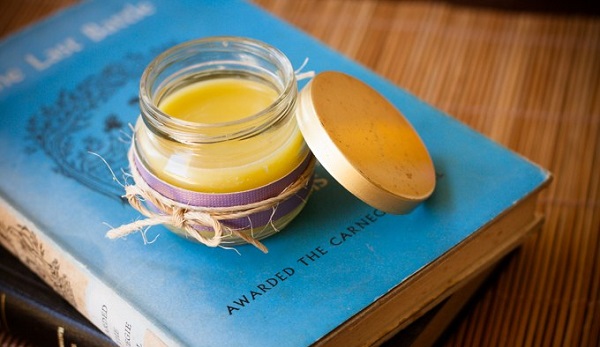
10 homemade night creams for beautiful skin

You don’t need to buy expensive face creams any more. Just make them at home using ingredients from your kitchen.
by Rohit Soni

If you’re looking for a good skin cream and are confused about the sheer variety of brands on offer, you’re on the wrong trail. You don’t need to buy what you need, just make it at home.

It is possible to make some really awesome night creams at home, using ingredients from the kitchen. Note that your skin’s regenerative power is much higher during the night as compared to the day. Also, the skin repairs itself at a faster rate at night, which means that a simple night cream can help your skin as it recovers.

The creams available on sale are packed with chemicals. Why slather chemically rich creams on your face, when you can make so many good night creams using natural products? Here’s presenting 10 homemade night creams and how to make them.

Milk cream. Milk is considered as a natural skin cleanser. Not just cleansing, milk has moisturising properties too, which add a healthy glow to the skin. Prepare your own cleansing and moisturising balm by mixing milk cream, rose water, glycerine and olive oil. Mix the ingredients well until they form a lump. Store the cream in a container, put it away in your fridge and use every night for soft, glowing skin.

Almond oil night cream. Almond oil is the best substance for the skin. Almond oil helps in treating the problem of dry skin effectively. To make this cream, mix almond oil and cocoa butter and melt them over a low flame. Remove from flame and mix rose water and honey to the mixture. Blend all the ingredients and your cream is done. This cream works best in winter.

Apple night cream. Apple is very beneficial for the skin. Their multivitamin content nourishes the skin, while the antioxidants present in apple help in protecting the skin from free radical damage. The use of this cream helps in your skin’s anti-aging fight. Cut an apple into small pieces and blend them with some olive oil until they form a smooth paste. Now boil this paste for a few minutes on low flame. Remove from flame and add rose water to it. Cool the mixture and store in a container. Using this cream every night would help in fighting fine lines and wrinkles.

Green tea night creamGreen tea night cream. The detoxifying properties of green tea help in clearing the skin by removing all its impurities. Aloe vera also imparts softness to the skin. Go ahead and make your own green tea and aloe night cream. Start by mixing bees wax and almond oil, boil them until mixed properly. Now add aloe vera gel and mix again, finally adding green tea extracts and almond oil to the mixture. Store the cream in a container and use it every night before going to bed.

Aloe vera night cream. Aloe vera’s benefits for skin and hair are numerous. Its rich properties help get rid of acne and blemishes. Aloe vera is also very beneficial if you want soft and supple skin. To prepare this cream, you need to mix some fresh aloe vera gel and lavender oil. Now add one spoon of primrose oil to it and mix all the ingredients. Store the cream and you are done.

Glycerine night cream. Glycerine in very useful in locking in the moisture of the skin and along with the varied properties of coconut oil, almond oil and rose water, this cream works wonders. Mix some coconut oil and almond oil and boil the mixture until they are properly blended. Remove from flame and add glycerine and rose water to the mixture. Cool the mixture and store it in a container. Voila! Your cream is ready.

Olive oil night cream. Olive oil helps moisturise the skin and imparts a soft glow. For this night cream you will need olive oil, coconut oil, bees wax and a Vitamin E tablet. Mix olive oil, coconut oil and bees wax and heat them until everything is melted. Now crush the Vitamin E tablet or add its capsule’s powder to the mixture and mix well. Store the cream at room temperature.

Cocoa butter cream. Cocoa butter is great for the skin. The use of cocoa butter cream helps in getting rid of dry and chapped skin. Not only this, cocoa butter also helps in getting rid of wrinkles. To prepare this cream, you need coconut oil, olive oil and cocoa butter. Add all the ingredients and boil them until they are mixed properly. Now wait till the mixture cools before you store it in a container.

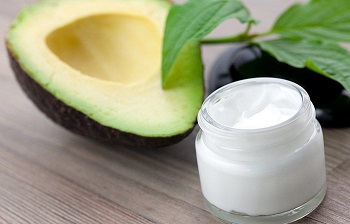
Avocado night cream. Avocados are rich in Vitamins A, B, C, K and E, apart from potassium and magnesium. All these nutrients help provide an anti-aging Avocado night creamboost to your skin and help in making it clear and soft. Blend egg or yogurt in a blender and add mashed avocado to it. Blend the mixture again to form a smooth paste. Store in a container and use this cream two times in a week to reap its benefits.

Turmeric night cream. Turmeric helps in treating a number of skin problems, apart from brightening the skin. Soak some almonds overnight and blend them to make a smooth paste. Add turmeric, lime juice, sandalwood powder, yogurt and saffron to it. Blend again to make a smooth paste. Store in a container and use every night for beautiful skin.

(Pictures courtesy www.jellibeanjournals.com, www.fashionstown.com, www.stylecraze.com. Pictures are used for representational purpose only)

Categories
Enough said

Starving farmers, and children being sold

We’re reaching an impasse as far as solving the problem of ruined farmlands and dying farmers goes – and nobody cares.
Humra Quraishiby Humra Quraishi

Murders, killings and riots over rotis…all of these have taken place in our country in the past, but at the moment, considering the condition of the affected farmlands all over the country, there are signs of even worse things to happen in the  days ahead.

It is estimated that 94 lakh hectares of crop area across 14 States over the past three months have been affected. In Uttar Pradesh, 29.64 lakh hectares of crop area was affected last year. In Haryana, it was 22.24 lakh hectares, while Rajasthan fared slightly better at 16.89 lakh hectares. Figures for other States (in lakh hectares) are 9.89 for Maharashtra, 5.70 for Madhya Pradesh, 2.94 for Punjab, 1.75 for Gujarat, 1.33 for J&K, 0.67 for Himachal Pradesh, 0.49 for West Bengal, 0.39 for Uttarakhand and 0.1 for Telangana and Kerala.

There are two points to consider. One, the condition of India’s farmers has reached pathetic levels. Hundreds have already died and many more could be dying – some of suicides, the rest of starvation. There are talks of compensation for these farmers, but the promised money never comes. A serious Government would have distributed the relief money cheques ages ago. Going by television news report, the compensation money does not even match the gravity of the loss. There are pictures on social media of Rs 2 cheques issued to distressed farmers – where crops worth lakhs of rupees perished overnight…

The other point is this: rising inflation, scarcity of grain and talks of inadequate monsoon this year is likely to kill thousands in the country this year. But have you noticed how immune we are to the news reports of parched lands and starving people? Are we soon reaching a stage where we will sell our own children to buy food? Recently, I watched a chilling news report about baby girls being bought from a Government-run orphanage in rural Telangana. Are we heading towards a time when we will willingly trade and traffic our newborns to fill our stomachs?

The poverty beaters

It seems that the only way out is to survive on one’s skills. A recently released book Breaking Through – India’s Stories Of Beating The Odds on Poverty, Meera Mitraauthored by Kolkata-based sociologist Meera Mitra (in pic on right), suggests that those who have fought poverty are able to get through any crisis in life.

I asked Meera if we were actually ‘developed’ as a nation, to which she replied that the present time is a mixed bag as far as social indicators are concerned. “ Indicators like Infant Mortality Rate (IMR) and Maternal Mortality Ratio (MMR) are down from previous times, but there is the damning sex ratio which has fallen to a dramatic low of 918 in 2011. Other indicators are also hopelessly off track for the Millenium Development Goals,” she says.

“The important thing is, with deepening democracy, no party or Government can afford to ignore issues of food security and environment. There is a traditional trade-off between environment and industrialisation but with a greater consciousness and commitment to global dialogue. With the possibility of new technology, that schism can hopefully be offset somewhat while offering a better standard of life,” she adds.

Humra Quraishi is a senior political journalist based in Gurgaon. She is the author of Kashmir: The Untold Story and co-author of Simply Khushwant.

(Pictures courtesy m.thehindu.com, www.gg2.net. Featured image used for representational purpose only)

Categories
Eat

5 early morning meal places in Mumbai

Want a good breakfast but tired of your usual neighbourhood haunt? Try these five city-based places for your day’s first meal.
by Ravi Shet

Anybody will tell you that breakfast forms the most important part of one’s daily diet. Skip breakfast and you end up feeling lethargic and tired for the rest of the day.

But where should you go to have your day’s first fulfilling meal? We picked out five places for you to try out.

1. Bele’s Ashok Dugdhalaya, Byculla West

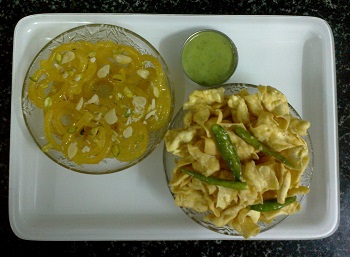
Jalebi Papdi_Bele's Ashok DugdhalayaCraving hot jalebis with fafda, papdi and dhokla? Visit Bele’s Ashok Dugdhalaya, situated near Byculla station. This place has been serving Mumbaikars from the year 1950 and has been serving piping hot jalebis (Rs 20 per plate), papdi (Rs 20 per plate), and dhokla (Rs 20 per plate). They also serve masala milk (Rs 30) which is a definitely worth a try. Their sweet samosa (Rs 12 per piece) has a coconut, mawa and nut stuffing and is really good!

Chaitanya Bele, owner of the establishment, says that they are open for public from 6 am to 10.30 pm on all days and most patrons ask for hot jalebis with papdi or fafda. He also says that earlier people who were working in nearby mills and markets use to frequent the place for their jalebis along with hot milk, however these customers have disappeared after the mills closed down and the market shifted to Vashi.

Must try: Masala milk with jalebis and sweet samosa.

2. City Bakery, Worli

If you are passing by Worli naka in the early morning hours, your nose will immediately pick out the unmistakable aroma of freshly baked food in the area. Jam Danish Pastry_City Bakery WorliEstablished in 1953, City Bakery opens at 5 am and instantly overwhelms the surrounding Worli naka with the aroma of baked goodies. Co-owned by the Dashti brothers – Mehdi Dashti and Jafer Ali Dashti – this bakery is a haven for people looking for good baked food for breakfast – right from kadak pav to croissants to pastries. Mehdi Dashti says, “Our place opens sharp at 5 am on all days irrespective of the weather. Our prices are also not heavy on the pockets, so that we can cater to all people.” Their mint chutney croissants (Rs 23), jam Danish pastry (Rs 23), pizza sandwich (Rs 36) and chocolate éclair (Rs 39) are awesome gastronomical delights!

Must try: Jam Danish pastry and chocolate éclair.

3. Hotel Ram Ashraya, Matunga

Located near Matunga railway station, this place is a hub for people craving South Indian breakfasts. Founded in 1939 by the late Shyam Shetty, this place is open as the clock ticks 5 am, except for Mondays when it is closed. Pudi upma (Rs 38), idli (Rs 32), sabudana wada (Rs 37) and tea (Rs 20) are the stuffs worth trying out here in the early hours of the day. Also try their yummy kesari sheera (Rs 35) loaded with ghee, nuts and raisins. Amarjeeth Shetty and Akshay Shetty, the family’s third generation, are maintaining their legacy today.

Must try: Pudi upma and kesari sheera.

4. Madina Hotel, Mahim

Vegetable Stew_Madina HotelLocated opposite Paradise Cinema, this hotel with yellow benches and tables is worth visiting for its awesome food at unbelievable prices. Running from 1975, this hotel has been serving its customers right from 5.30 a to 11.30 pm. Be it Special Tea (Rs 20), or appam (Rs 8) along with vegetable stew (Rs 25) are super-hits (also on your pocket!) You can also try their chana masala (Rs 25) if you like spicy food. Mr. Krishnan who has been running this place for the past 33 years, says that there used to be a crowd waiting to rush in the moment the place was opened; however, for the past five years, people are coming in good numbers mostly after 7 am. This is a good destination for authentic Kerala style food.

Must try: Appam with vegetable stew and special tea.

5. Neo Welcome, Ghatkopar West

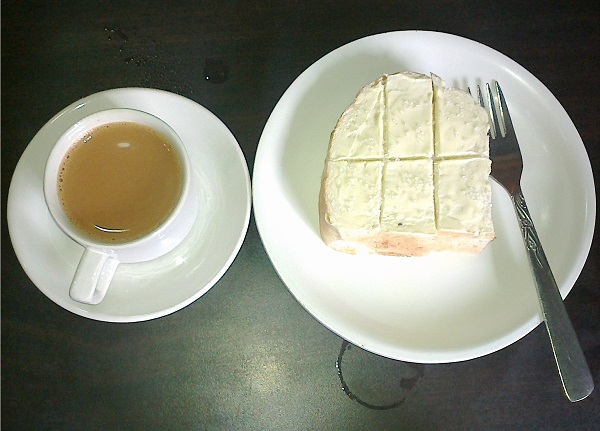
Looking for creamy white chutney and thick delicious sambhar along with soft and hot idli? Head to this place which is opposite Ghatkopar railway station. Founded by the late Muddanna Shetty in 1956, this place has been rolling up its shutters from 6.15 am on all days, except for Tuesdays when it is closed. Sheera upma mix (Rs 50), idli (Rs 45), bread butter (Rs 30) and tea (Rs 20) are their hit items in the early morning hours. Sagar Shetty, co-owner, says that his grandfather never compromised on the quality of food. “Treating customers well and giving them home-like feeling was his mantra and the second and third generation Shettys are also continuing the same tradition,” he says, adding that their food uses their own masalas.

Must try: Idli and sheera upma mix.

(All pictures courtesy Ravi Shet)

Categories
Film

Kashish Film Fest to return next month

The ‘Queer Film Festival’ comes back for the sixth time at three iconic locations in South Mumbai; registrations have opened.
by The Editors | editor@themetrognome.in

KASHISH Mumbai International Queer Film Festival returns for its sixth edition this May – with a lineup of around 180 films from 44 countries, it is bigger tha previous editions. South Asia’s biggest and India’s only mainstream LGBT film fest will be held between May 27 and 31, 2015 at three venues – the iconic art deco Liberty Cinema, Alliance Francaise de Bombay and the Max Muller Bhavan. Online delegate registrations have opened on the festival website www.mumbaiqueerfest.com.   

“We are indeed very happy to continue to organise our festival at Liberty as the main venue. Its grandeur and scale is befitting the ambitious scale of KASHISH this year,” said festival director Sridhar Rangayan. “Considering the sheer number of entries we received and the diversity of experiences each of them offered, we decided to expand the framework of KASHISH. We have included one more venue to accommodate more films, so that the audience has more varied choice of films to pick and view. In terms of venues, films, allied events there is a lot the festival has to offer this year,” he added.

There will be film screenings, book readings, panel discussions and performances, all of them highlighting the cultural diversity of its host city Mumbai. The theme for this year, ‘Reaching Out, Touching Hearts’ reflects the urgent need for all of to reach across barriers and boundaries and reach out to everyone – parents, families, friends, colleagues and peers. KASHISH is not only a platform for showcasing quality cinema, but also a platform for creating awareness about human rights and equal rights, the organisers said.

“This year the influx of film submissions was so high, the preview panel had to work hard to pick the best. Our festival is slowly and steadily becoming a platform for filmmakers and audience to come together to share and experience quality LGBT cinema,” said Saagar Gupta, Director of Programming.

KASHISH is organised by Solaris Pictures, and The Humsafar Trust is the co-organiser.

The schedule

May 27 to 31, 2015 at Liberty Cinema,

May 28 to 30, 2015 at Alliance Française de Bombay, and

May 29 to 30, 2015 at Max Mueller Bhavan (screening only on May 30, 2015).

Look up www.mumbaiqueerfest.com for details. There is a 20% early bird discount till April 26, 2015.

Exit mobile version