Categories
Patrakar types

Editors from hell

Could sub-editors please be more careful while editing articles? And giving away e-mail IDs and phone numbers is not cool.
by Vrushali Lad | vrushali@themetrognome.in

Okay, first off, Mid Day. What were you thinking with this story of a boy arrested because he sent a photo cake to a girl he liked? Your story is eminently readable, but what was your sub-editor and page editor doing when they overlooked one important detail while checking the story: your paper printed the email ID the boy used to send the girl’s picture to the cakewallahs.

What’s worse, NDTV‘s website picked up your story, and printed it as is. No, not really as is, because NDTV changed the story’s headline to the puzzling: ‘In trouble for sending photo of cake to a girl’. A question to the NDTV sub-editor who changed the headline: Why did you change Mid Day‘s headline to read ‘photo of cake’ when you clearly meant ‘photo cake’? (An aside here is that the story would be doubly interesting if the boy had actually sent just a photo of the cake and not the cake itself. If somebody did that to me, I sure as hell would go to the cops.)

A few days ago, a Mumbai daily carried the headline, ‘Man shoots dead builder’. At first glance, it seemed like a case of extreme cruelty – I mean, why shoot a dead man? Another news item last month, about a man making prank calls to a woman at work, gave away the telephone number the calls were made from.

All of this makes the police’s precaution of hiding an accused’s face from public pretty redundant.

And it’s not just newspapers, it’s also television. A few days ago, IBN Lokmat did a charming special on Dev Anand’s birth anniversary, and showed the late actor’s songs and a few interviews of people who had worked with him. Each song was accompanied with the lyrics of that song being flashed across the screen. But when the song ‘Ek but banaoonga…’ from Asli Naqli started, IBN Lokmat’s lyrics read, ‘Ek putar banaoonga…’
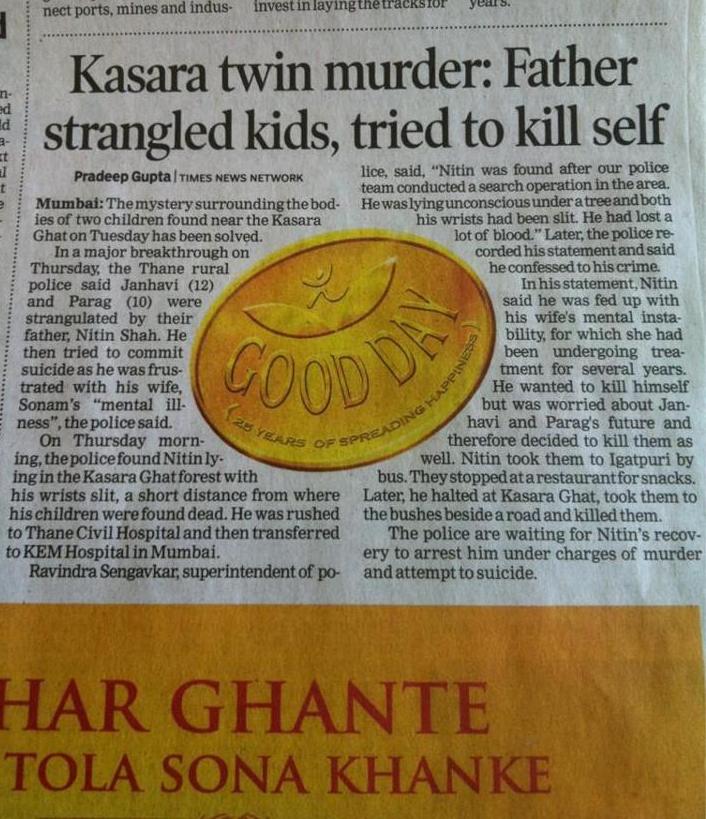
A rather funny and insensitive editing error occurred recently with The Times of India placing an ad for Good Day right in the centre of a grim news story of a man killing his own kids (see pic on left). Other regular offences that editors commit are publishing pictures of minors, whether accused of a crime or the victims of one, without blurring their faces or changing their names, and often choosing to blur the faces of women and not men.

And it’s not just obvious elements like headlines and what goes in the main story that comprises editing goof-ups. Several times, reporters write an article with an obvious slant – for instance, political and crime stories, in which the writer’s biases clearly reflect in the article he/she has written – but editors checking those copies let the slant remain. The result is stories such as the Bidushi Dash Barde case, in which most reports blamed the dead woman’s husband without actually saying so, with phrases like, ‘He called her only once in the morning despite knowing that she was ill’, and ‘He was calm and answered all questions without breaking down.’

When I still worked with newspapers full time, I had an almost daily run-in with the paper’s editors. Once I waged a war against a particular sub-editor, who had not only mangled my story, but changed the headline I had given to the story with the sensitivity of a speeding truck. Imagine my chagrin when I read the papers the next morning and saw that the sub-editor had altered my headline ‘Youth win award for propagating gender equality’ to ‘Youth win award for fighting molestation’.

I used to think sub-editors and editors above them are people with eyes like hawks, and the brain capacity of an encyclopedia. At least, that’s how they used to be. Earlier ‘deskies’ were people who used to be reporters, and journalists who read constantly on a variety of subjects. This sharpened their intellect – an editor had to know more on a subject than a reporter – and gave their language an edge. And you couldn’t become a deskie just by applying for an editor’s job; you had to slog your way through the reporting ranks before being elevated to a desk position.

For the last five years or more, however, newspapers and channels are increasingly hiring desk personnel for their knowledge of English alone. Proofing of articles has now been reduced only to grammar and spell checks, which even the reporter himself can do on MS Word. And then there are new concepts such as Rewrite Desks that are operational in major newspapers – this Desk’s job is to go batshit crazy on articles that have not been written well. In other places, we are told, there are three levels of editing to pass through before the article is considered final.

And despite all these precautions, we still end up with gems like ‘Photo of cake’.

May be we should have a Corrective Measures Desk above the sub-editing desk…?

Vrushali Lad is a freelance journalist who has spent several years pitching story ideas to reluctant editors. Once, she even got hired while doing so.

 (Feature image courtesy ipjtraining.com. Picture used for representational purpose only)

Categories
Event

Schools play rugby at Bombay Gymkhana

Colaba Municipal School, Yashodham High School win in the U-17 Boys and Girls category. A pitch report of the event.

Rugby is still not played as often and as intensely as it should in the country, but Mumbai is taking things to the next level – its schools are competing and winning big.

Yesterday, the Rugby Association of Maharashtra (RAM) hosted the seventh edition of the Mumbai Inter-School Touch Rugby Championship 2012 at the Bombay Gymkhana Ground, under the auspices of the Western Indian Rugby Football Union (WIRFU). Over 50 teams participated from across Mumbai city and suburb schools. Both boys and girls in the Under-12, Under-14 & Under-17 age categories participated. Actor and rugby player Rahul Bose was the chief guest for the event.

The U-17 winners were Colaba Municipal School (boys) and Yashodham High School, Goregaon (girls), while the U-14 winners were Lokhandwala Foundation School, Kandivali (boys) and St Mary’s Convent High School, Mulund (girls). The U-12 boys winners’ cup was lifted by NM Joshi Municipal School.

Speaking on the occasion, Nasser Hussain, Secretary, Rugby Association of Maharashtra said, “We were pleased to see the enthusiasm, participation and eagerness in representatives from schools across Mumbai, suburban and Thane district to adopt and support the game. There is no dearth of talent in these areas, and today’s Championship asserted that the next breed of national players will come from here. As flag bearers of the sport, we are committed to nurture new talent and simultaneously increase awareness about Rugby as a noble sport.”

The first Mumbai Schools Touch Rugby Tournament was organised in 2006 at the Bombay Gymkhana grounds for Under-14 Boys and Under-16 Boys age categories. The main purpose of the school programme was the grassroots development of the sport and to target the youth. In 2010, with growing interest, popularity and enthusiasm for rugby, the tournament was sub-divided into the Mumbai City Schools, Mumbai Suburb Schools and Thane district categories.

Categories
Film

Censor ki (bleep) ki (bleep)

How do B-grade films with offensive dialogues and scenes evade the Censor Board’s scanner, if English films are often snipped?
by M | M@themetrognome.in

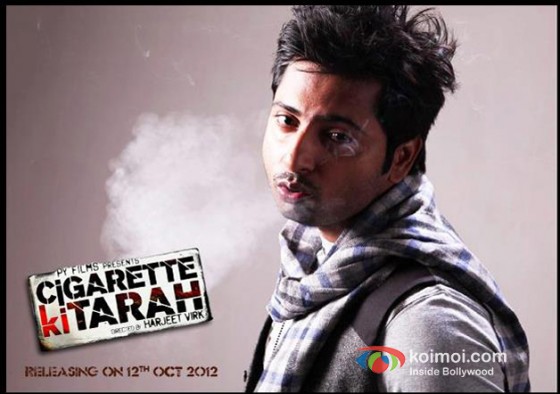
Bhoop, Goa City and “I didn’t do anything”. Put these random words together and what do you get? A film called Cigarette Ki Tarah starring a guy named Bhoop (I am serious), filmed in ‘Goa City’ (not State, mind it) who offends the Queen with every spoken work in English. Watch the promo of this film only if you’re up for a dare. This torture…err, film  will be released tomorrow.

What baffles me the most is how the Censor Board let a film out that has ‘Cigarette’ in the title, when on the other hand, visuals of a lit cigarette are blurred on television and in our films? It would have been rather funny to see what the makers of this film would have done if the Censor Board had decided to snip the word ‘Cigarette’ from the title.

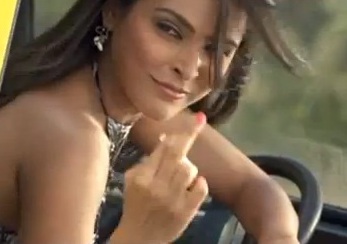
That’s not all, in one of the scenes in the trailer, the lead actress gives the middle finger to, I’m assuming, Bhoop. With a name like that, and a face to match, he deserves it.

Another character played by Sudesh Berry, (best known for his role in Border. Remember him? No? Never mind), calls Bhoop a ‘Bloody assh**e’. The swear words are not bleeped out. The icing on the cake is the song with lyrics that go, Khadi hogi khaat, zindagi ki lag gayi waat.

Our Censor Board is very stern with English shows on television, but seems to be okay with dialogues and songs as good as crap on the big screen if it’s a Hindi film. Also, English films on the big screen are forced to delete scenes depicting the slightest nudity, despite being certified ‘A’. Apparently the scenes or dialogues in those films are objectionable and unfit even for a grown-up adult.

I was furious when The Girl With The Dragon Tattoo was not released in our country because a few of the Censor guys wanted three scenes removed. Those scenes, the filmmakers said, were very crucial to the plot, so they later shunned the cuts altogether and we had to see the film on DVD.

Words like ‘period’, ‘condom’, ‘breast’ et al are beeped out from sitcoms, so much so that sometimes you fail to understand the joke or catch the punch like because of the abrupt acoustics effect that replaces the offending word. English films on television suffer the most. Try watching The Departed on HBO next time it’s on. You will end up cussing more than Mr Wahlberg.

So, to return to my point, how do crappy B-grade Hindi movies, like Cigarette Ki Tarah and Hate Story end up on the big screen will minimal cuts and with all their crappiness intact? It’s actually quite simple. Allow me two examples to illustrate my point.

These are true stories.

Earlier this year, a song from a hit film was about the fun and frolic alcohol can induce at parties. It was expected to be in trouble, because it had words like ‘rum’ and ‘whiskey’ in it. The task to release the song for public viewing was tough, because the party pooping Censor Board would definitely rain on the parade. So the producers sent tapes of the song and a middleman to the Censor Board office, to “work things out”. Two days later, the song was all over TV and radio. Poochho kaise?

Another film was in a similar soup, where it’s famed item song had a desi alcohol name in it; the song was positioned as the highlight of the otherwise grim movie. At first, the Censor Board acted tough, but things miraculously resolved themselves and poor Chameli was allowed to drink and dance to her heart’s content.

It’s such a weird connection between Bollywood and the Censor Board. Your mind boggles at some recent Censor Board decisions, because you’ve tried applying their logic and objections universally, and come up with several inconsistencies. That said, who’s up for some cigarettes tomorrow?

Sharp as a tack and sitting on more hot scoops than she knows what to do with, M is a media professional with an eye on entertainment.

(Picture courtesy koimoi.com)

Categories
Trends

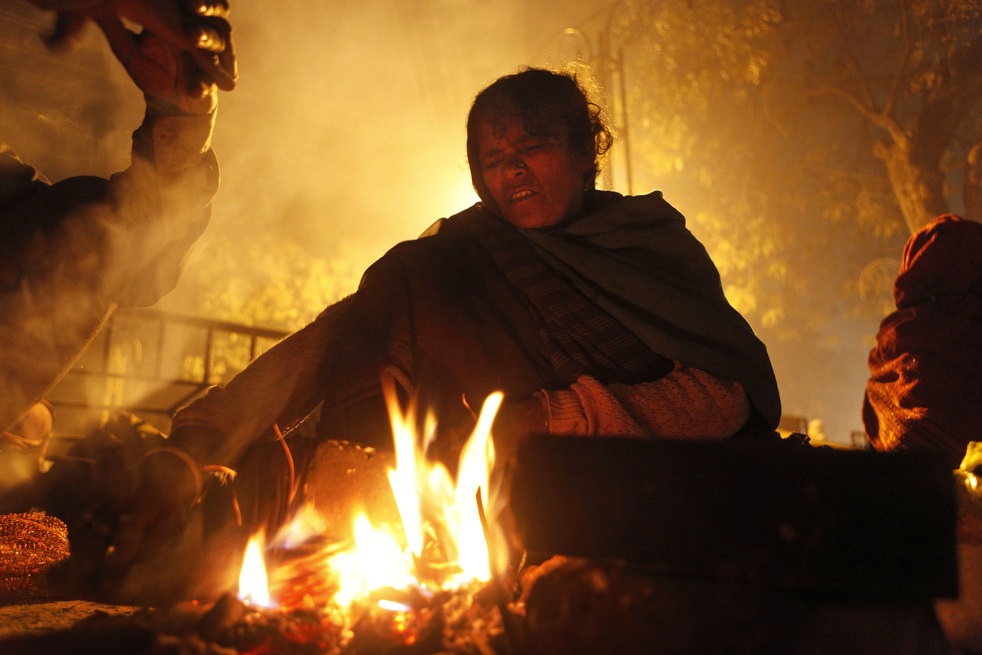
Expect cold nights this weekend

Weather bureau pegs expected minimum temperatures at 17 degree Celsius for Mumbai. No major departures in temperature, humidity are expected.

After hot days and nights last week, precipitated by warm Easterly winds, Mumbai is back to having some seriously cold nights and cool evenings. As per the Indian Meteorological Department (IMD), the city and its suburbs will have minimum temperatures of 17 Degree Celsius for at least the next two nights.

The IMD anticipates that “the temperatures will not fall further.” The current cold weather is seemingly a result of western disturbances, which are low pressure weather systems originating from Central Asia. Temperatures yesterday were as follows: Colaba, maximum: 30.6 degree Celsius, minimum: 21 degree Celsius; Santacruz: 32 degree Celsius, minimum: 17.8 degree Celsius.

Clear skies are expected over the weekend as well.

(Picture courtesy sacbee.com)

Categories
Hum log

Meet a really big loser

Hunk Sandeep Sachdev acts in films and imparts fitness training – but a few years ago, he weighed 125 kgs.
by Vrushali Lad | vrushali@themetrognome.in

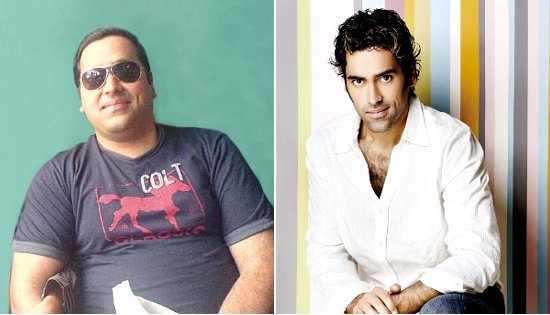
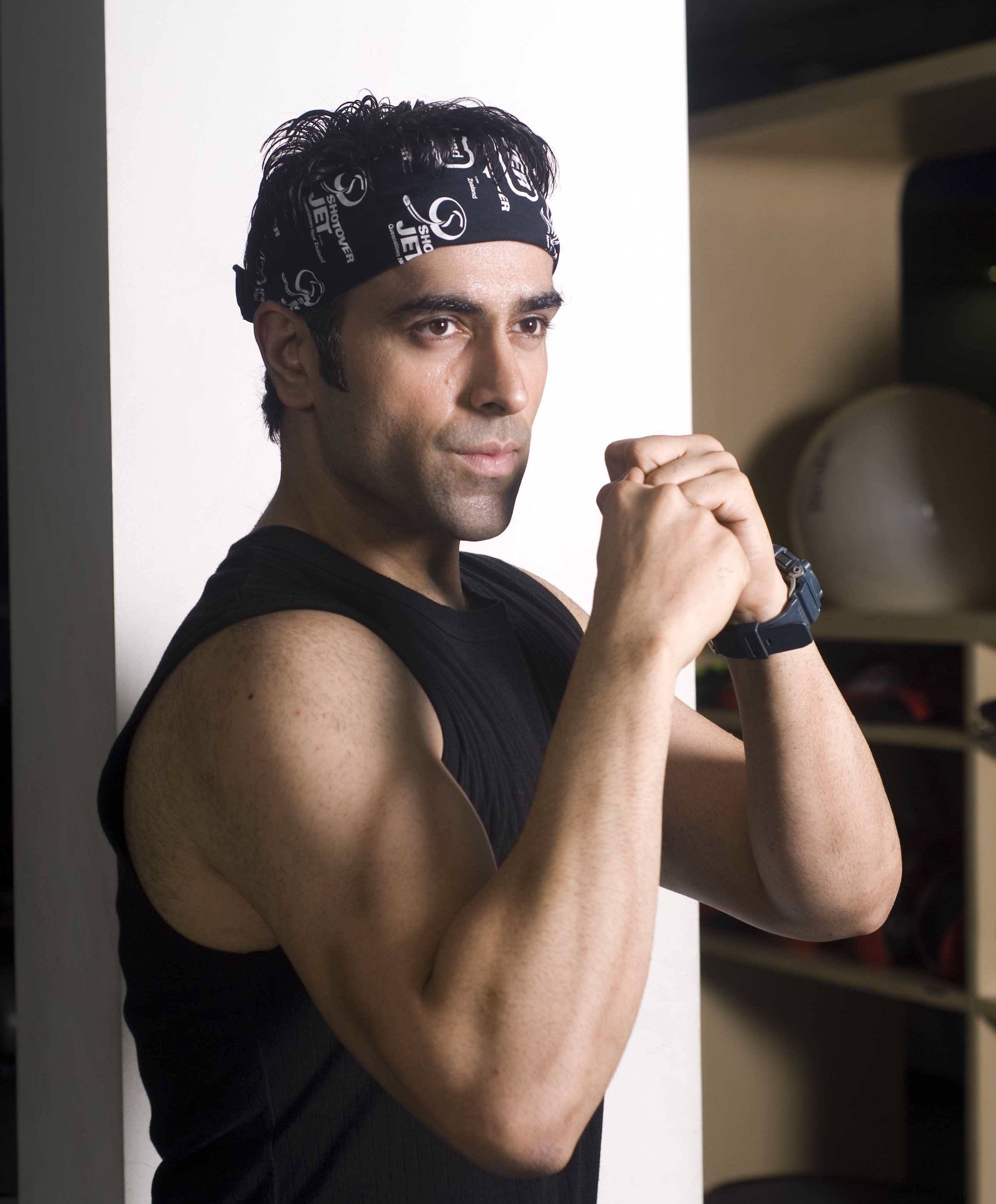
Sandeep Sachdev (30) is fit and hunky, just the kind of guy who would get a film offer. Sandeep, a Malad resident, has already done films in the South, and is gearing up for his next release, Inkaar, opposite Chitrangada Singh in January 2013.

Apart from films, Sandeep is also a fitness trainer, nutritionist and motivational speaker with Fitness First. “On the days when I have no shoots or anything else happening, I work out twice a day for an hour each session. On other days, I do a 90-minute workout,” he says, explaining how he maintains his fabulous physique. “I am also careful with my diet, though I eat everything.”

But if you think his good looks and stunning body were handed to him by an indulgent God, think again. Five years ago, the present-day Sandeep was fighting to get out of a fat, 125 kg body.

Biggest Loser

Sandeep was a passionate banker who wanted to try acting, so he shifted to Mumbai from Delhi in 2003. “I loved being in Mumbai, and as bankers, we would look for every opportunity to drink and eat outside. I soon put on a lot of weight, but I didn’t do much about it till my doctor told me I had blood pressure.”

Then Sandeep heard of the show Biggest Loser Jeetega, which was anchored by actor Suniel Shetty and which had 16 participants trying to lose the most amount of weight to win. “I applied for it and they conducted a psychological and physical profile on me to see if I was fit enough to be on it. I was selected and the show became a life-changing experience for me,” he remembers.

Participants were provided with the best trainers, nutritionists and medical experts. “We would work out for four and a half hours every day, with cameras monitoring us constantly. It was difficult initially, to go from a no-exercise lifestyle to gruelling daily workouts. We were totally cut off from the world for four months – we didn’t even know what was happening with the World Cup that year.”

Sandeep says he never entered “a demotivated zone” and never let the “mind games and politics” inside the house affect him. “I put all my energies into my workouts. The show was not like Bigg Boss; here, the harder you worked, the closer you came to winning. Every week, I saw that I was losing weight and that really gave my efforts a big boost,” he explains.

He entered the show with the scales tipping at 124.9 kg, and left it at a cool 74.2 kg weight.

Had lost weight before

In 2002, when Sandeep was still at Delhi, he had lost a good amount of weight through jogging and sensible eating alone. “My brother was an actor in Mumbai, and I decided to get fit, too. I followed a no-cola, no-hard-drinks, no-fried-food diet and I would jog. Even though I was overweight, I didn’t have a negative self-image and I wasn’t embarrassed about my body.

I remember, I would jog past the Lady Irwin College every day, and these girls milling about outside would look at this chubby guy jogging past and laugh. That actually motivated me to work harder. In five months, I knocked off 25 kgs. Once I started losing weight, I would jog past the College with my middle finger raised in the air,” he laughs.

After the show

He had a few film offers after winning Biggest Loser Jeetega, but nothing materialised right away. “I still did acting classes, and started maintaining my body. I did a few music videos and ads, as well,” he says. Then he was approached by a film producer from the South, who asked if Sandeep would train and help the heroine of his project lose weight. “I worked with the girl, and in 45 days, she knocked off seven kgs. I realised I could become a fitness trainer,” he says, explaining that training others to lose weight is tricky – you can work on yourself easily, but you don’t know what will motivate someone else to work out diligently.

“I got associated with Fitness First in 2009 as a personal trainer. I now conduct the Fitness Ki Paathshaala here, and I am also a nutritionist with them,” he says.

Set realistic goals

Today, as a fitness consultant, Sandeep talks of the importance of starting small and thinking big. “People make the strangest of excuses to not exercise. They also set some really big goals right at the start. While it’s okay to have big goals, the problem is that if you don’t achieve a fitness goal soon enough, it hits twice as hard,” Sandeep says.

He adds that he gets letters from overweight people who say that they are embarrassed to step out of their homes because of their bodies. “Being overweight is nothing to be ashamed of. You have to accept the way you look. Only then can you do something about it.” The trick is to set a small goal, work slowly at first, then pick up the pace as the days pass. “It is also important to work towards achieving something that you don’t have because of your excess weight,” he explains.


Categories
Event

Archeology Day and a long-term demand

The CEMS celebrated Archeology Day and is now pushing for an Archeology Department at the University of Mumbai. A report.
by Shubha Khandekar

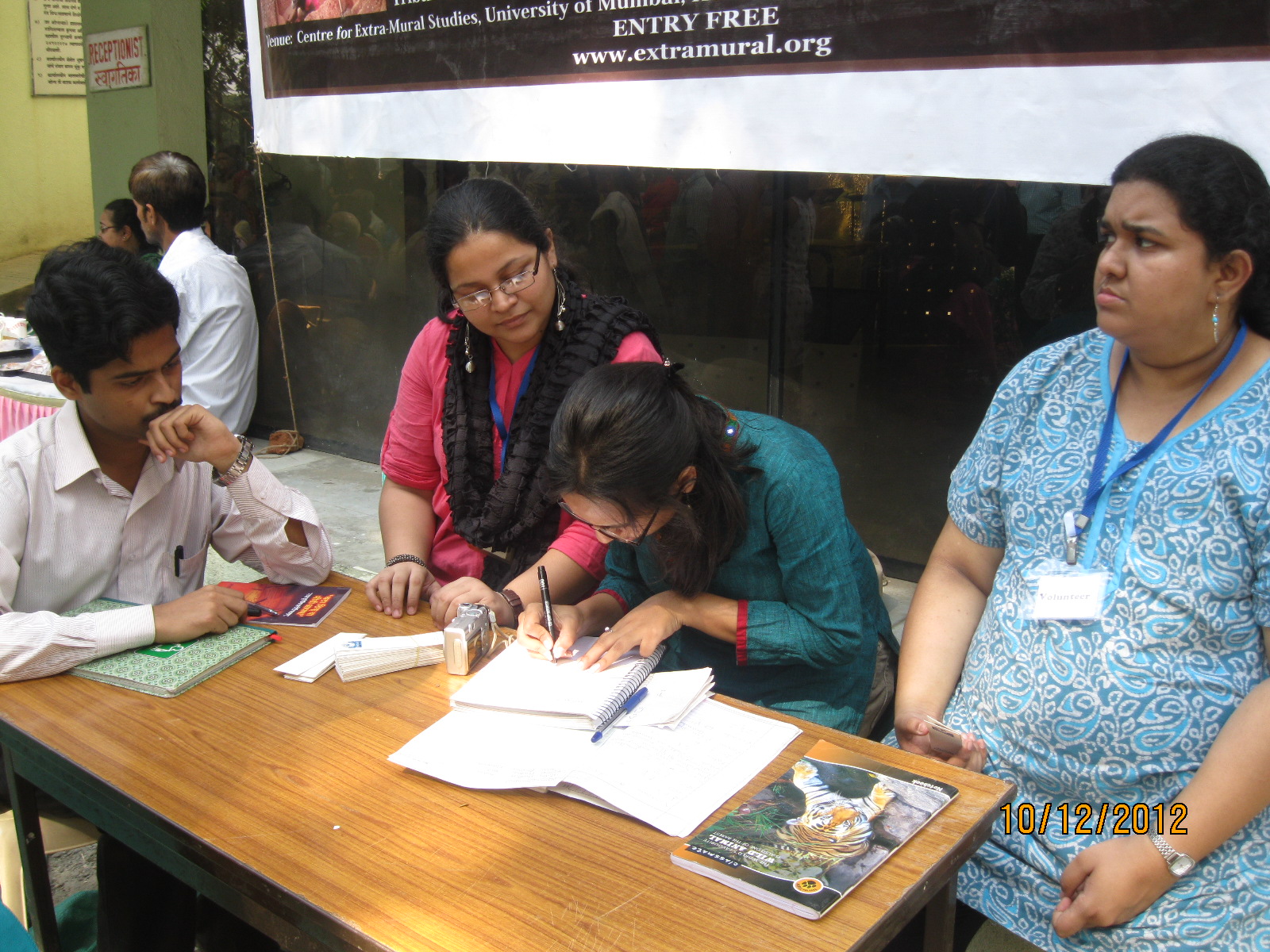
Lay enthusiasts, school and college students, curious onlookers and history and archaeology scholars alike, numbering close to 3,000, thronged throughout the day at the Archaeology Day celebrations organised by the Centre for Extra Mural Studies (CEMS) yesterday at the CEMS premises in Vidyanagari, Kalina, to coincide with the birth anniversary of the late Professor HD Sankalia, whose name is synonymous with Archaeology.

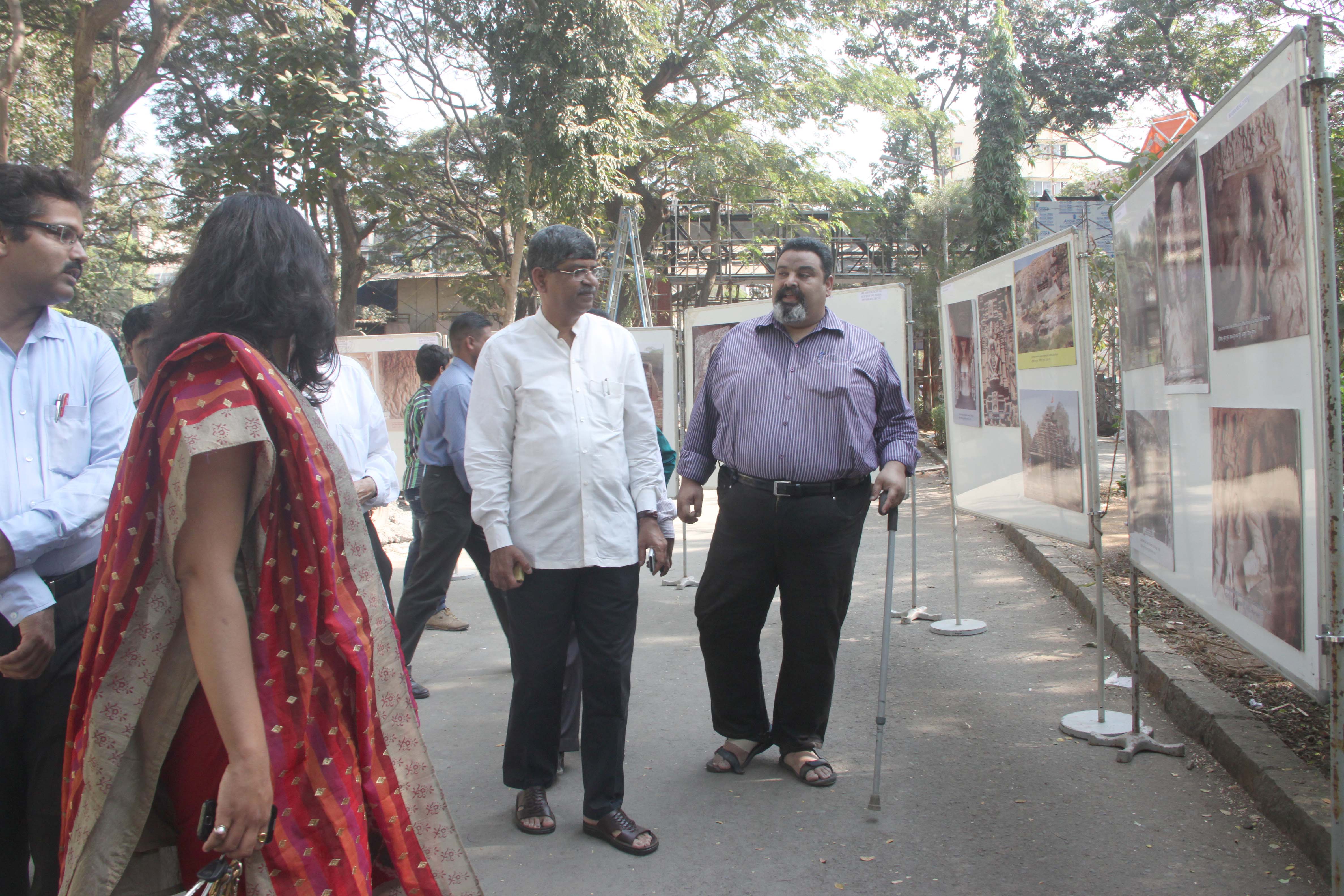
The celebrations were inaugurated by Dr DB Deglurkar, President of Deccan College, a premier institution for Archaeology in India, and Rajan Welukar, Vice Chancellor, University of Mumbai, who spent close to two hours examining all the exhibits.

Making a strong recommendation for the University of Mumbai for setting up a full-fledged Archaeology department in its fold, Dr Deglurkar pointed out that being one of the three oldest universities of Mumbai, it was appropriate that academic study of the past, a huge part of which is accessible only through Archaeology, must have pride of place in the University.  “CEMS has taken a commendable step by being the first institution in India to commemorate Prof Sankalia’s birth anniversary in such a memorable and constructive manner,” said Dr Deglurkar.

“The range of activities shown at the Archaeology Day celebrations and the energy of enthusiastic volunteers promises to carry forward the work that Prof Sankalia had begun more than 50 years ago. I wish every success to this venture by CEMS and assure you of every support and help from Deccan College,” he added.

Promising every effort in setting up an archaeology department at the University, Welukar said, “The progress made in Archaeological studies by the use of scientific methods is quite amazing.”

“We are trying to create awareness and interest for Archaeology among every section of society, and particularly among students,” said Mugdha Karnik, Director, CEMS. “This will now be an annual feature at CEMS and we appeal to all like minded individuals and institutions to join hands with us in this effort.”

Visitors to the Archaeology Day celebrations were particularly excited with the opportunity given to dig, under the supervision of expert archaeologists,  in a mock trench created at the venue. Other activities that drew large crowds were live demos of pottery making and stone tool making, exhibition of fossils, a KBC-style quiz for school-kids, the writing of names in Modi, Kharoshthi  and Brahmi by students of epigraphy, and a film on Chandore where CEMS has been conducting excavations for the past two years under the directorship of Dr Kurush F Dalal. Cartoons on archaeological themes were also put on display.

“There is so much that’s new and exciting,” said Anjali Inamdar, a visitor. “Such events must be held more frequently and in multiple locations.”

“I enjoyed it very much and learnt a lot. Fantastic effort, congrats to everyone who was involved,” said Rajashree Khalap, another visitor.

INSTUCEN and Sathaye College were collaborators on the event, while the Anjaneri Institute of Numismatics from Nashik, Archaeological Survey of India and the Thane Oriental Research Institute also put up stalls and exhibits.

Shubha Khandekar is an author, journalist, translator, editor and cartoonist and writes on a wide range of topics in English and Marathi. 


Exit mobile version