Categories
Swaad 'Anu'saar

Who needs antioxidants?

Everybody, apparently. But do you know what you need to eat and drink in order to get the optimum amount?

anuritaby Anurita Gupta

Amongst all things ‘anti’ that are trending today, the one that wins the race hands down is ‘anti’-oxidant!

While driving back from a teenybopper flick recently and watching 14-somethings have green tea in order to fit in to their party dresses, I figured, antioxidants are simply the rage with not just the 50-plus health conscious lot, but also youngsters! So, what’s really the antioxidant story?

What are antioxidants?
The dictionary defines ‘antioxidants’ as ‘a substance that inhibits oxidation, that removes potentially damaging oxidising agents in a living organism.’

Dr Mark Pereira, renowned Mumbai-based cardiologist explains, “In layman’s terms, an antioxidant is that category of food that we consume in order to neutralise the harmful effect of free radicals in our body that is a byproduct of the oxygen we breathe. They are known as ‘super foods’ because, if consumed regularly along with a daily routine of exercise, they ensure the running of a healthy heart.”

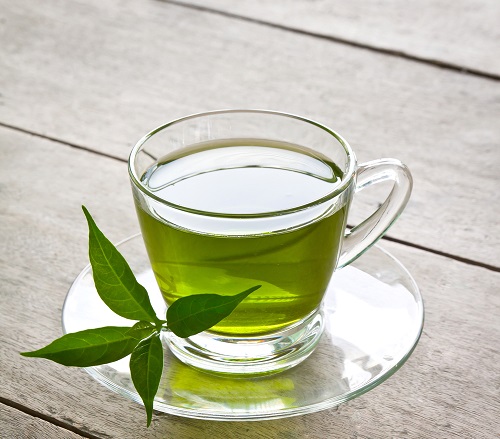
No wonder then, my office pantry has now introduced ‘Green tea’ as an option to coffee and chai as well. I am suregreen tea you agree that antioxidants have become a style statement. But do we really understand what an antioxidant does, or are we simply complying with what everybody else thinks, ie looking good = green tea?
The secret to health is and has always been ‘balance’. Take for instance, your car. You put in the best fuel available in the market in order to ensure great mileage. However, over a period of time this same fuel clogs up the fuel injectors. Which is where, the hero ‘octane booster’ jumps in to minimise fumes. Now if you keep feeding your car with just boosters and no fuel it will certainly not run. The same applies to our body.

Dr Loveleena Nadir, famous gynaecologist at Fortis le’ Femme, Delhi who works extensively on the health and nutrition of her patients explains, “Having a balanced diet is the key to purple_grapeslong lasting health. It serves as the main fuel while antioxidants are the super efficient fuel boosters that unclog the engine of our body, thereby benefitting it extensively. They are present in fruit and vegetables of various colours. For instance, purple foods like grapes are rich in an antioxidant called resveratrol that works on our body exactly like exercise and promotes healthy insulin levels. So, one should enjoy a glass of red wine every now and then while managing a good exercise routine.”
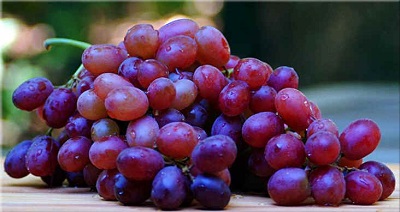
According to Dr Nadir, the ‘5 plates, 5 colours’ mantra works brilliantly. This pretty much means that if we take 5 to 7 servings (about 150 grams) of fresh fruit of 5 different colours then we would have had our ideal dose of antioxidants.

Get your dose of antioxidants now

– Did you know that if you have a cup of tomato juice it can actually be the best sunblock ever? The lycopene available in tomato shields the skin from the sun by almost 35 per cent. So that’s one more excuse to have that (virgin) Bloody Mary.

– Berries and dark chocolate are rich in another family of antioxidants called polyphenol flavonoids, that heighten memory and concentration, increase blood flow and give higher immunity – but you have to watch out for the high sugar content of sugar in them.
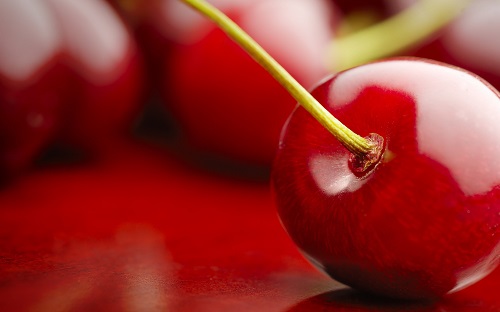
red fruit– If you want a healthy heart with less chances of stroke, then you must adhere to the saying, ‘an apple a day keeps the doctor away’. This is because red-coloured fruit such as apples, decrease clot formation in our body.

– Similarly, yellow-orange range of fruit and vegetables helps fight against cancer of all kinds. Go ahead, indulge in some yummy pumpkin-carrot soup. Also zero in on the most commonly-known antioxidant, Vitamin C, which is available in orange, lemons, papayas and yellow bell peppers.

– Yellow green-hued vegetables like spinach, mustard, green peas have caretenoids that can make the hair and eyes shine.

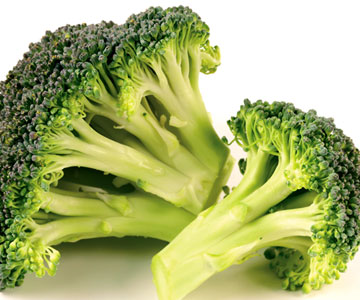
– Greens like broccoli, sprouts and cabbage are good for liver and decrease incidence of colon-related issues. broccoli
So use this information to load your shopping basket with all the right things now on. If you’re still wondering why antioxidants have become fashionable, then here’s something to think about: our body is otherwise pretty well armed to fight pesky free radicals, but its optimum functioning is compromised when we pick up that tin of instant or preserved food from the stores or order in a pizza for dinner. The body also suffers from daily office work, traffic snarls, less than seven hours of sleep and our couch potato lifestyles.

(Pictures courtesy blog.medi-share.org, thenailartandbeautydiaries.wordpress.com, www.burnthillsny.com, jootix.com, www.worldcommunitycookbook.org)
Categories
Cinema@100

Hundred years in three days

Rare Indian films will be screened in their original format at Films Division, Mumbai, starting today to Sunday, June 30. Be there if you love Indian cinema.
by Medha Kulkarni

Who doesn’t love our movies, right?

And some of our films have been the highest of successes riding on the fact that they were daring experiments. While some tanked, or were appreciated years later, most were recognised and hailed for their genius.

If you revel in experimentation and love the movies, you should head to Films Division today for a three-day retrospective of Indian Cinema. The event is titled ‘Hundred Years of Experimentation (1913-2013)’ and will be conducted by film scholar and anthropologist Ashish Avikunthak along with documentary film maker Pankaj Rishi. The duo will attempt to add a historical perspective to the contemporary debate to celebrate a 100 years of Indian cinema.

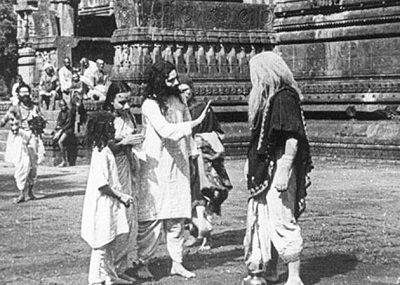
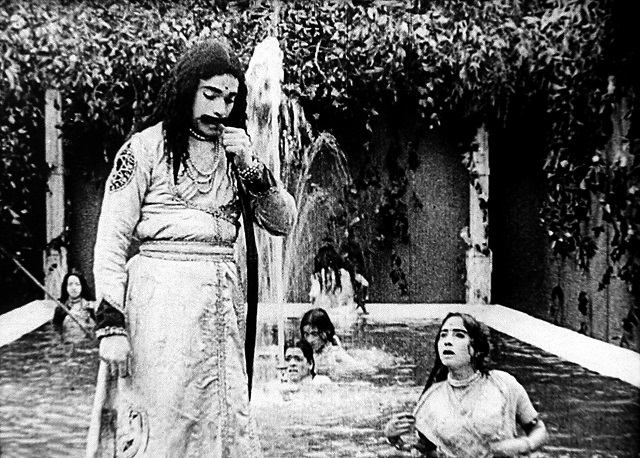
Raja-HarishchandraWorks that are “not driven by the desire to just produce an aesthetic artifact but rather to create a discursive field,” have been specifically chosen by the two film experts. According to the press release for the event, “The films challenge modernity by opening up a conversation with Indian history, tradition, culture and religion.”

Several films categorised under various heads will be showcased. It starts with Dadasaheb Phalke’s 1913 silent mythological Raja Harishchandra under the heading ‘Experiments with Gods’ and was chosen since the film effectively catapulted “modernity and tradition into a cinema of religiosity – a dominant form of cinema of the silent era.”

The second category ‘Experiment in the state’ will showcase films produced by S Sukhdev and Tyeb Mehta. ‘Experiment in the school’ will showcase the works of Ritwik Ghatak and his students at Film and Television Institute of India (FTII) which include diploma films by Kuntal Bhogilal, Rajan Khosa and Satyajit Ray.

Alongside these, documentary films by the likes of Pallavi Paul and SNS Sastry and short films by Ashim Ahluwalia, Natasha Mendonca and animation (co-curated by Nina Sabnani) will also be screened. Mortimer Chatterjee of Chatterjee and Lal will co-curate the section on video and installation featured in contemporary art galleries over the past 10 years and which includes works by artists Nikhil Chopra, Hetain Patel, Sahej Rahal, Nalini Malani, and Kiran Subbaiah.

The festival is on from today, June 28 to Sunday, June 30. It will close with a round table discussion between the curators and film makers.

Entry is free. Head to RR Theatre, Films Division, Peddar Road, Mumbai. 

(Pictures courtesy dearcinema.com)

Categories
Beauty

Reverse your wrinkles naturally

Once a wrinkle, always a wrinkle? Not quite. It is possible to reverse skin wrinkling. Read on to know how.
by Beverley Lewis

In an attempt to achieve a radiant complexion and get rid of wrinkles, we slather our bodies with expensive ant-ageing creams and moisturisers, get chemical peels and botox. Although these methods may be helpful in improving the way our skin looks, the key to reducing wrinkles and improving our complexion is to decrease free radical damage from occurring at a rapid rate. In order to do this, we have to ensure our diets include these five foods that are rich in antioxidants and have anti-inflammatory properties.

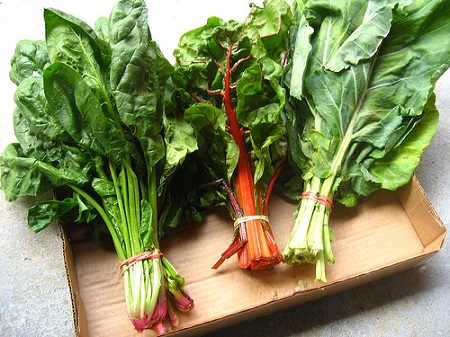
green vegetablesGo green: Include plenty of green vegetables in your diet on a daily basis. Foods such as spinach and wheat grass contain phytonutrients, which help detoxify the body to keep skin clear and radiant. Most experts believe that green leafy veggies are the plant equivalent of the oxygen-carrying red pigment haemoglobin in our red blood cells and the chlorophyll within these greens have disease-fighting bacteria, which exert therapeutic effects on bad breath and body odour. Also make sure to have a lot of green smoothies.

Mr Beans to the rescue: Beans and lentils are superfoods and should be eaten at least once a day. They are well known for their high fiber content and keeping unwanted pounds at bay. All beans and lentils also have a very low-glycemic index – this means that they will not cause a rapid rise in blood sugar when eaten, the way sugary, starchy foods do. They are also anti-inflammatory foods and prevent dull, dry, wrinkled sagging skin.

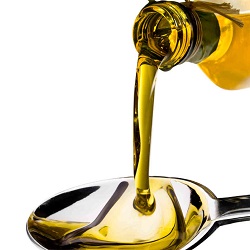
Olive oil: Most of us tend to shy away from fats, but we need a source of good fats in our diet to help us olive oilabsorb nutrients from our vegetables and fruit, keep our cells supple, our skin glowing and wrinkle-free, our brains sharp, and our mood upbeat. We also need dietary fat to burn fat. Extra virgin olive oil contains oleic acid, which helps us absorb omega-3s and other vitamins and nutrients from our foods. Oleic acid is vital in keeping the outer portion of the cell, known as the cell plasma membrane, supple, thereby allowing nutrients to enter the cell and wastes to exit.

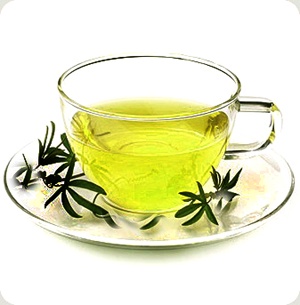
Tea, please: Green tea contains compounds known as polyphenols, which help to eliminate inflammation-producing free radicals. Research shows that polyphenols protect healthy cells from cancer-causing DNA damage, while ushering cancer cells to their death. Another remarkable finding is the power of green tea polyphenols which can help prevent psoriasis, ulcers, rosacea, wounds and wrinkles.

green teaBe nutty: Almonds are by far nature’s best dietary source of selenium and vitamin E. A single serving of almonds (12 almonds) are a great anti-wrinkle food as they increase skin elasticity and aid in skin repair and rejuvenation. However, it is important to bear in mind that almonds, like most other nuts are calorie-dense, and therefore they should be consumed in moderation, especially if you are concerned about weight gain.

(Pictures courtesy www.cleashannon.com, www.naturalhealth365.com, www.tiemianmo.com, www.npr.org)

Categories
Guest writer

The aromas of Mumbai

You can tell which part of the city you’re in just by the stink or the fragrance of the place. Mumbai has a very strong olfactory connect with its people.
Neerjaby Neerja Deodhar

After living in this busy metropolis for about 17 years, I’ve realised one thing – your senses are automatically heightened here. Whether it’s your eyes that are constantly alert in the fast-paced traffic or your ears that are forced to hear a cacophony of trains, vendors and honking cars. Your mouth and taste buds that have grown accustomed to Mumbai’s spicy, flavoursome cuisine.

And of course, we’ve all had the chance to travel in a packed local train, scared that we’d get pick-pocketed – it’s like we’re born with a heightened sense of touch, too. But I perceive Mumbai to be a “city of smells”. By this, I don’t imply that ours is a city full of stench and smog; no, it’s much more than that! Like each home has a distinct smell of its own, Mumbai has these particular aromas and scents that define the city and give it character.

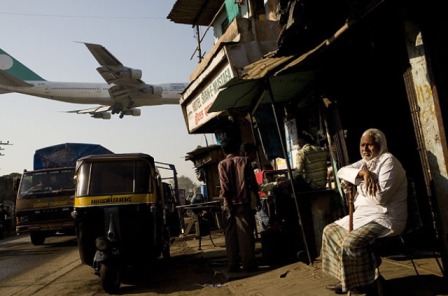
The moment you step into Mumbai, your impression about the city could vary, depending on whether you’re an optimist or a pessimist. A pessimist would complain about the foul odour that comes from the slums, (You should know that Mumbai is home to one of the largest slums in Asia – Dharavi, so that’s a lot of stink!), the amount of vehicular pollution and smoke from cigarettes, the malodour of overflowing sewage etc.

An optimist, on the other hand would enjoy the sterile, sanitised smell of malls, hotels which are plenty in Mumbai. Or you Shopping malls in Mumbaicould be a realist like me and believe the city has a dual identity with a motley collection of fragrances and odours. But that’s a discussion for later.

Urbanisation has changed the face of Mumbai entirely – quaint little bungalows with terracotta tiled roofs are replaced with high rises made of chrome and glass. ‘Niwas-es’ and ‘Sadans’ are pulled down to make way for ‘Towers’ and ‘Heights’. However there still are some remaining gardens and patches of green like the Hanging Gardens, Jijamata Udyan, the Sanjay Gandhi National Park to name a few. Mumbaikars still visit these parks to get a whiff of nature.

And how can I forget the numerous “Chaafa” or champa trees with their sweet-smelling flowers! Ironically this fast pace of industrialisation and development hasn’t improved the condition of public toilets in the city. Most Mumbaikars still cringe at the stink that comes from our city’s ‘shauchalayas’.

fish dryingThe part of Mumbai that I enjoy the most is the sea. As a child, I’d know that we were passing by some “Chowpatty” or  beach by the crisp saltiness in the air. Mumbai’s fish markets smell of the salty sea too – it’s the smell of freshly caught fish. Most times these markets give off the odour of rotting fish – an odour I still find repulsive. And then there is the floating smell of sukka bombil or Bombay duck dried in the sun near the coast!

Another way of knowing that you’re near a crowded beach is the inescapable smell of chaat. The aroma of herbs, garam masala, the tang of squeezed lemons in a plate of bhel puri or sev puri are enough to set the juices going in your mouth! You’d also smell vada pavs being fried and pav bhaaji being prepared – taka-tak – two dishes that originated in Mumbai. And then there is the smell of piping hot ‘cutting chai’, (The term cutting chai is said to have originated in Mumbai too!) sold at tea stalls at every nukkad of Mumbai. Every meal in India usually ends with paan. Another common feature on the streets and many walls of Mumbai are paan stains which have their own disagreeable stink.

Sometimes I can tell which part of Mumbai I’m in only by the distinctive redolence of that part. I know my train is passing through Andheri when I get a whiff of baked biscuits because the Parle G factory is very close to Andheri station. I know that my taxi has taken a turn at King’s Circle because of the aroma of freshly ground coffee beans and the local cafes serving original south-Indian filter coffee. For that matter I still associate the aroma of freshly baked bread, cakes and cookies from the string of bakeries in my very own Orlem.

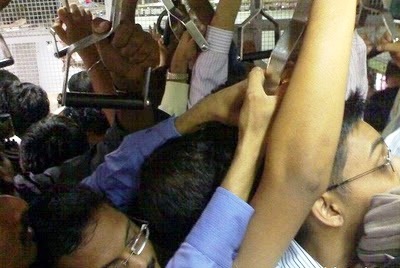
Travelling in local trains has become a part of the daily routine of a large number of Mumbaikars. More than often these trains packed local trainare overcrowded, filled with more passengers than can fit in. Now it’s not the sea of bodies that I have an issue with, it’s the smell of human sweat that’s the problem! At such times I dream of Mumbai during the monsoon. There is nothing more beautiful, more gratifying than rains in the city! It gives us Mumbaikars relief from the summer heat, the air smells fresh and clean. The smell of wet mud right after a shower is almost magical. Yes, such earthy fragrances are a part of Mumbai too!

At times I wonder what the city would be without its individualistic smells, if the roads didn’t have any vendors and all spaces were sanitised and air conditioned. Mumbai wouldn’t be as exciting as it is right now. Mumbai’s smells are part of its diversity and personality. If it weren’t for these odours and fragrances I probably wouldn’t be so attached to the city!

Neerja Deodhar studies Arts and lives in Malad. Nothing thrills her more than exploring new places and ideas, meeting unusual people and writing about them.

(Pictures courtesy www.prishindia.com, windyskies.blogspot.com, www.the-nri.com, evestigio.blogspot.com, www.time.com)

Categories
Hum log

When your dreams are in plain sight

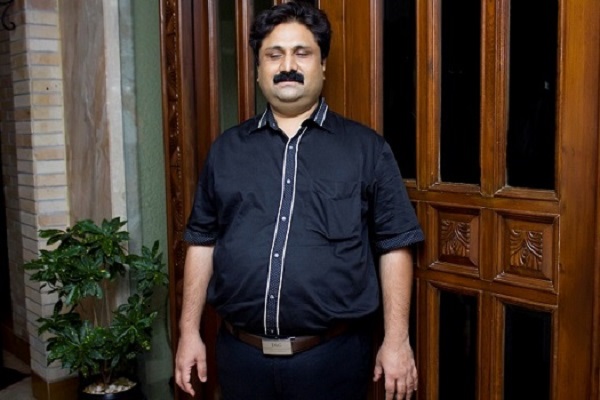
Dr Samir Mansuri is visually-challenged, but that hasn’t stopped him from pursuing Ayurveda, selling organic beauty products and conducting research.
by The Editors | editor@themetrognome.in

Being born visually challenged brings its own set of problems – from having to do everything differently than ‘normal’ people, those without the gift of sight are often hampered in pursuing their ambitions due to lack of support and infrastructure. Little wonder, then, that the country has only a handful of visually-impaired doctors – our educational system also makes it that much more difficult for unsighted people to study medicine or physiotherapy.

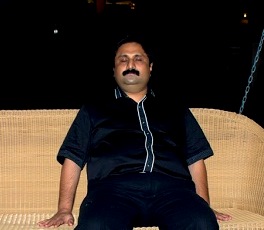
And yet, if you have the focus, nobody can hold you back. City-based Dr Samir Mansuri, an Ayurveda practitioner, is proof of this.

Dr Mansuri started his own line of organic beauty and skin products, Ocean Miracle, in 2011, and today, has several celebrities among his clients. We spoke to him about the challenges of studying medicine without the gift of sight, growing up and nurturing the medical dream, and doing all that it takes to realise one’s ambition.

Excerpts from the interview:
dr samir mansuri Being born visually-challenged and then growing up without sight must have been difficult. Can you describe what your childhood was like?
Yes, I was born blind, but I was gifted with a very keen sense of hearing, which I was conscious of since a very young age. Since I could not see, my family sent me away to an NGO-run boarding school for the blind.

Growing up, I realised that my family did not want me to return home because for them, I was a liability, a curse. So when I completed my high school education, I moved to Hyderabad. There was no definite plan at that time…I lived on railway platforms, slept beneath staircases, then later began working in massage parlours as a masseur to earn money.

How did you study Ayurveda?

I wanted to study further, and I did, opting to study Arts and later specialising in Ayurveda. Luckily for me, I met an 89-year-old traditional Ayurvedic doctor, Guru Shamshuddin, who changed my life. I consider him my guru because he gave my career a new direction. I learnt a lot of things from him, learnt about making medicines. I had been a good masseuse, and I had a loyal clientele. These people became the first ones to receive my medicines. Guru Shamshuddin had taught me the science of pulse diagnosis and the secrets of herbal connotations and cures. I assisted him for four years and gathered a lot of experience. Then in 1999, I obtained a medical practitioner’s license in Hyderabad in 1999.

How did you complete your education in medicine without the gift of eyesight? What were some of the challenges you faced?
It was a very challenging task, no doubt. But thanks to technology, the visually-challenged have several ‘aids’ which help to convert text into sound – this helps in learning. And of course my friends and colleagues were very helpful and supported me all the way, apart from my Guru, who taught me everything.

When did you decide that you wanted to become a doctor? What prompted this decision? 
I wanted to do something that was considered impossible or unachievable by the visually-challenged, and becoming a doctor seemed like a good thing to do. I started my own line of beauty and skin products and I practice at my clinic in Juhu.

Have you ever faced any hostility or curiosity from patients because you cannot see? dr samir mansuri zenie media (4)
I have never faced hostility from people, but yes, definitely curiosity. For example, once I went to the police station for my passport verification. When I told the police officer that I was a doctor, he was shocked and surprised and asked me how I could be a doctor when I am blind! Even while travelling abroad (and in India, too) I face a lot of surprised questions.

How did you start Ocean Miracle?
The idea grew over time. We have now developed a range of eco-organic, eco-natural cosmetics.

Who are some of your famous clients?
Some of them are filmmaker Subhash Ghai, TV actress and model Reshmi Ghosh, actor Ashmit Patel and there are several others. I cannot mention too many names due to the doctor-patient confidentiality.
Has the market for organic beauty products grown in recent times? 

Yes, the market has grown tremendously. People are more conscious about the entire ‘organic funda’, to put it mildly. Many people do not want to use synthetically or chemically-prepared creams and lotions on their skin.

How do you vouch for the purity of your products?
They are officially and scientifically tested and certified by labs not just in India but also abroad.

You recently conducted a research on fake and spurious beauty and cosmetic products. What were your key findings?
We studied over 500 products available in India, and found that about 50 per cent of all cosmetics and beauty or skin care products sold over the counter in India are either fake or spurious or both, or whose shelf life has expired and are harmful to the human skin in the long run. Then there are many products that do not have the mandatory Government of India manufacturing license for cosmetic products. We also found that about 65 per cent of unbranded products or unknown brands contain harmful ingredients or compounds.

Even more worrying is the fact that Ayurvedic products manufactured by FMCG giants contain ingredients obtained from herbs and plants or plant extracts grown artificially, not organically.

What are you planning to do with your findings?
We have forwarded our findings to the Ministry of Health and the Maharashtra FDA (Food and Drug Administration). It is for them to take the necessary action.

Lastly, any words of advice you wish to offer students of medicine?
Keep trying, aim high and have complete faith in the Almighty.

(Pictures courtesy Dr Samir Mansuri)

Categories
Cinema@100

For ‘poster’ity’s sake

Nobody makes posters now – with film publicity employing slick special effects and promotion, poster-makers are lost to film history.
by The Editors | editor@themetrognome.in

How do you learn of a new film’s release? For a few years now, the Indian film industry has woken up to the phenomenon of heavy marketing and advertising budgets, and stills from the film start doing the rounds of newspapers and websites before the film actually hits the screens. We’re inundated by ‘news’ snippets about the film’s cast and crew, there are sudden outbreaks of romantic liaisons (or bitter breakups) while the publicity is on, and huge hoardings declare the film’s arrival all over the city.

Today, filmmakers would be silly to bank on merely displaying film posters to get the job done.

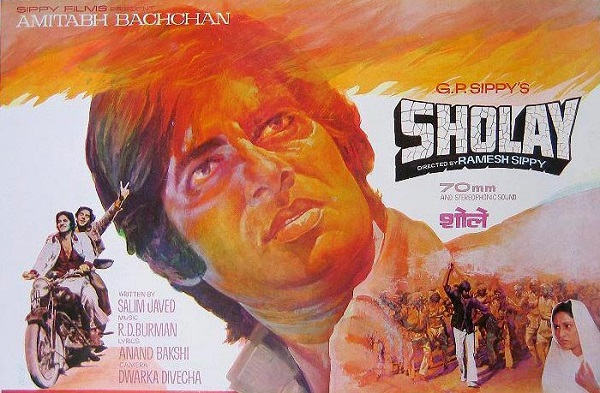
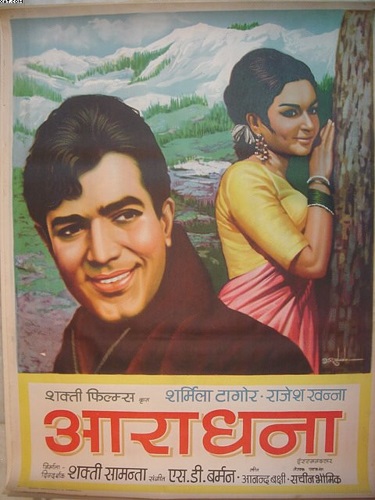
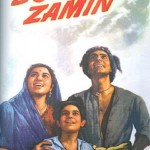
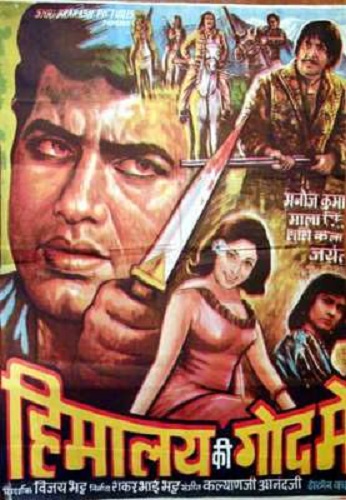
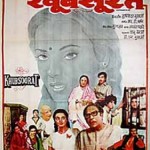
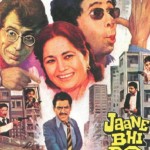
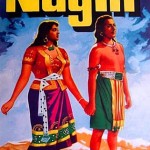
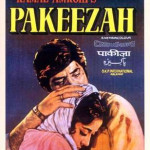
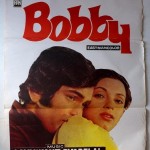
In simpler times, film posters were the soul of the film. The Hindi film industry, especially, boasted of a parallel film poster-making industry, which in turn, boasted of a bevy of skilled artists and painters who drew the dreams of millions on giant canvasses. The posters were often detailed, some depicting key scenes from the film, and comprised the film’s star billing, its director and musician, and of course, the producer. Often, one marked a lack of likeness between the faces on the poster and the actual face that inspired the painting, but with all their glitches, film posters were the audience’s first and sometimes, only glimpse of the film that was to come.

We don’t make film posters like those any more. Naturally, several artists’ brushes had to be packed away as film posters began to comprise actual photographs. The poster-painting industry closed down, the displaying of a new film acquired different dimensions.

And since such film posters are not being made today, we thought we should put together 25 of the Hindi film industry’s iconic films in traditional poster form. Happy viewing!


(Pictures courtesy http://www.aainaism.com, sekhareeyam.blogspot.com, asiaobscura.com, downloadsongsindian.blogspot.com, bombaymann2.blogspot.com, ilovebollywoodmovies.wordpress.com, movies.rediff.com, www.4to40.com, rit-artworld.blogspot.com, mrandmrs55.com, mrandmrs55.com, en.wikipedia.org, videshisutra.wordpress.com, www.lassco.co.uk, www.maxwell.syr.edu, www.moviesonyouku.com)

Exit mobile version