Categories
Deal with it

City’s conservancy workers will get their own flats

BMC moves proposal to construct flats on ownership basis for its almost 35,000 conservancy workers using an FSI of 4.
by The Editors | editor@themetrognome.in

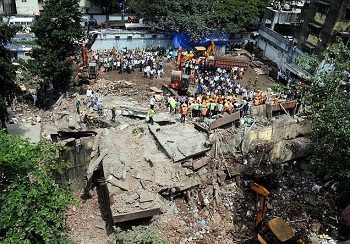
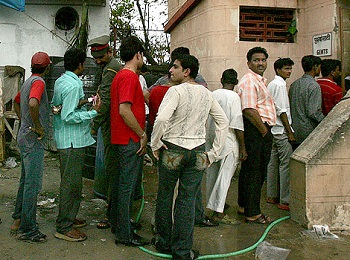
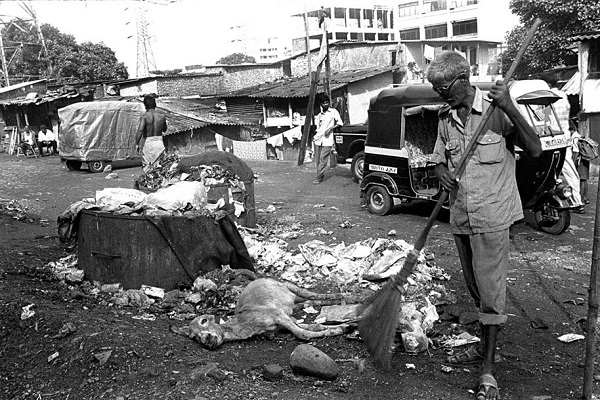
Dockyard road collapseA horrendous building crash at Dockyard Road in September last year killed 61 people. The spotlight fell on the state of the building – it was 33 years old – and the fact that it was owned by the Brihanmumbai Municipal Corporation (BMC). The building housed employees of the BMC’s Markets Department.

After the uproar over the crash, the BMC swung into action and fast-tracked a proposal seeking to build flats for the Corporation’s 35,000-odd conservancy workers under the ‘Ashray Scheme’. As per the scheme, conservancy workers in the city would get permanent homes that the BMC would build and hand over to the workers along with ownership rights. The Improvements Committee of the BMC first approved the proposal to use 4 FSI in the construction; the Standing Committee soon followed suit and approved the proposal as well. It has now been sent to the State Government for approval.

As per the scheme, redevelopment or reconstruction of old buildings will be done to provide homes for the BMC’s about 35,000 employees working in solid waste management. “The huge numbers of conservancy staff have always carried out their duties of keeping the city clean,” says Rahul Shewale, Standing Committee Chairman, BMC. “However, so far their own living quarters were not adequate. The city’s health is affected if their financial and social lives are unhealthy. We feel that a large part of their issues will be solved if they have their own houses.” He added that the BMC could not build these houses because of existing FSI rules and unavailability of plots. But if an FSI of 4 was granted, the project could get underway and the surplus units could be developed for Project Affected Persons (PAPs). The overall project cost is pegged at about 1,800 crore.

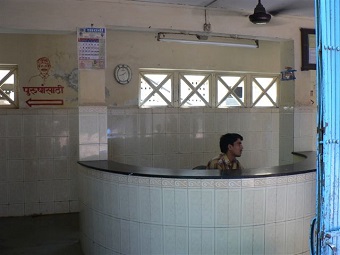
Currently, the BMC’s conservancy workers stay in 39 staff quarters located all over Mumbai. Most of these dwelling units are in a bad condition.

(Pictures courtesy Sudharak Olwe [part of his award-winning ‘In search of dignity and justice’ series], www.thehindu.com)

Categories
Trends

IT, pharma, banking will generate more jobs in 2014

Survey says that IT will remain the biggest draw as the US economy recovers and American firms increase their spends.
by The Editors | editor@themetrognome.in

The job market slowed down considerably in 2013, but things are not so bleak in 2014. As per a survey by ASSOCHAM (Associated Chambers of Commerce and Industry in India), Information Technology (IT), pharmaceuticals, agri-based industries, banking and agri-related industries such as farm equipment and fertilisers and seeds will remain the largest employment generation sectors in 2014.

“These sectors will stand out despite the fact that the present state of the economy, where in a large majority of sectors, net employment is being lost and does not support large scale employment,” the study said. But, thanks to the recovery in the US economy, IT will remain the net aggregator of jobs in 2014. The US economy is showing signs of improvement which was also reflected in the Federal Reserve announcing the tapering calendar of its USD 85 billion a month bond-buying programme.

A large number of American firms are expected to increase their IT spend as consumer sales pick up there. Over 60 per cent of the India’s 75 billion software and service exports are dependent on the US market.

The other reason for the IT sector to stay fit and keep hiring is the continuous pressure on Indian currency, which results in their net income rising.

But the pace of hiring may, however, not be strong since the haze of uncertainty still remains, forcing company promoters to remain conservative in adding to the headcount. Top end IT firms and consulting firms will remain active in campus recruitments in the year 2014. Over and above the recruitment at the freshers’ level, the IT sector will see a lot of hiring and the professionals moving in and out as the top-end firms want to build capabilities to move up the value chain in the wake of rising competition in low-end services, though the sales volume would continue to come from this segment.

“Since our economy still remains a good mix of organised and unorganised, large corporates and small enterprises, a large number of people in rural India dependent on agriculture and the tertiary industries,  there are inherent and inbuilt strengths which come handy when the chips are down,” ASSOCHAM president Rana Kapoor said.

Pharmaceutical is an ever-green sector and is least affected by the economic downturns since it is related to the healthcare.  While people may cut their budget on nutritional segments, they need to spend anyhow on basic healthcare.

The Indian pharmaceutical industry, largely thriving on the generic segment, is well spread out in India and abroad, deriving sales from all over the world. This sector will continue to hire. However, because of some setbacks and tightening regulations in the US and some other markets, the companies will have to invest more in improving their manufacturing and R&D facilities making them at par with the global standards. The recruitment from the pharmaceuticals sector would remain active, though the aggregate number would be much smaller than the IT sector.

Banks, particularly in the public sector have found that 2013 has been one of the most challenging years for them. The non-performing assets have zoomed with the Reserve Bank and the Finance Ministry raising serious concerns over the high level of stressed assets. However, the year 2014 is expected to be a better year for the banking. The NPAs would be reduced since the focus is very much there on the issue and there are signs of recovery in some segments of the economy. Besides, a huge number of backlog vacancies have to be filled up in the public sector banks.

For the private sector, new licences likely to be given before April , will throw new opportunities. While the new banks will leverage technology, job opportunities will arise both in the brick and mortar as also in development and implementation of the technology solutions.

(Picture courtesy www.expatica.com)

Categories
Wellness

‘Indians don’t see a dentist unless they suffer a toothache’

The Indian Dental Association (IDA) cautions on the problems arising from lack of oral hygiene among adults and young children.
by The Editors | editor@themetrognome.in

Do you brush your teeth at night, despite coming home very late from work or a party? Do you undergo regular dental check-ups to maintain the health of your teeth?

Or do you think of going for a check-up only when there’s a severe ache in your tooth?

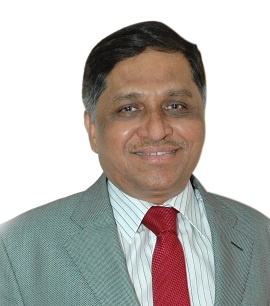
Dr.AshokDhobleIf you fall in this latter category, you are not alone. The Indian Dental Association (IDA) contends that a low number of Indians visit a dentist despite suffering cavities and tooth decay, and that both adults and children in the country are prone to gum disease and bad dental health. We spoke to IDA’s Secretary General Dr Ashok Dhoble on the subject.

Excerpts from the interview:

What is the biggest challenge that doctors face in creating oral health awareness?

Although the Oral Care market in India is continuously evolving, it yet remains one with great potential for growth. India offers a big opportunity as it is still an under-penetrated market. Indians tend to follow a remedial path where they seek professional dental care only at the time of severe toothaches. There is little awareness of the benefit of an early, preventive care approach to oral health.

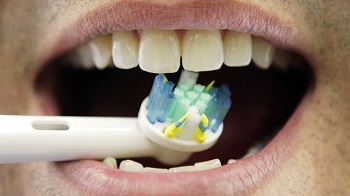
Only a few people realise that oral problems can be prevented by adopting a few simple, stress-free hygiene practices. Starting early will make oral care a habit and not a practice. Children, from an early age of three should be made aware of the basics like the importance of brushing teeth twice a day, cleaning teeth and gums properly and other oral care information. While brushing your teeth is essential in the morning, brushing at night is as significant to reduce bacteria activity in your mouth.

The availability of toothpastes which are focussed at providing relief for specific ailments are helping to address oral care needs. However, the need to spread oral care awareness in the country is important. A Consumer Usage and Attitudes Survey recently conducted by IMRB (2009) International for Colgate-Palmolive (India) Limited revealed that out of 70 per cent who suffer from cavities or decay, only 58 per cent visit the dentist.

There are steps being taken by the dental profession to ensure maximum awareness in this regard. The Indian Dental Association, each year partners with Colgate-Palmolive (India) Limited to organise the Oral Health Month spanning two months. This platform offers our affiliated dentists to provide free dental check-ups to consumers across the country. This year, 30,000 IDA dentists have come forward to spread Oral Care awareness supporting the Oral Health Month in October and November 2013.

Which are the age groups and people most vulnerable to oral health disorders?

Oral diseases are not restricted to just adults or children. Any person who doesn’t pay heed to his/her oral hygiene is prone to oral care disorders.

Introducing your child to good oral care and hygiene practices from an early age is recommended. As mentioned earlier, children should be taken for regular oral health checkups from the age of 3 years. Children are vulnerable to dental problems because of their affinity towards sweets, chocolates, sugary drinks and sticky fast food options; they are more likely to show early signs of caries that may lead to problems like cavities. This can lead to other complications such as toothache and may affect the child’s overall health in the long term.

Even teenagers, for that matter, are so engrossed in studies, sports and other social activities, that oral care often takes a back seat. In such a situation, parents should encourage brushing, flossing and regular dental checkups for them. If need be, parents should become role models and set high standards of oral hygiene for their children to follow.

What is your expectation from corporates in the realm of oral health care? How, in your opinion, should corporates help in generating awareness?brushing teeth

There are many companies that undertake numerous socially relevant initiatives towards this cause throughout the year and across the country.

How should the Government respond to the need to create awareness?

Provision of healthcare is the responsibility of the Government.  Other agencies like IDA are meant to supplement the governmental efforts. Public expenditure on health in general is very poor and there is no separate allocation in the budget for oral healthcare, in particular, which is a must.  A separate oral health policy as a part of the national health policy could improve matters in this regard. 

Changes in the nation’s demographic profile, new technologies, evolving disease patterns, growing Government and media influences, market place changes, globalisation of healthcare–all these and other factors affect dentistry just as they influence other parts of society.

A well-structured, continuous training programme to keep pace with changing disease patterns can contribute to better oral health.  The Government should take a lead in this regard and must use the arm of Dental Council of India for this purpose. There is no separate department to exclusively deal with oral healthcare services. Oral health problems being directly linked to our own lifestyles, and lifestyle changes being rampant, setting up of a separate Oral Healthcare Services Department in the Ministry of Health brooks no delay.

Looking at the limitations of the public sector, the private sector equally has a major role to play in the development of the nation’s health. Public Private Partnership should be encouraged on an increasing scale to improve healthcare, including oral health.

An aggressive approach to oral health promotion, disease prevention and access to dental healthcare needs to be adopted to improve oral health and quality of life, since oral health is often neglected by most people. Towards this end, a closer collaboration among all healthcare providers should contribute to achieving dentistry’s primary goal of improving the health of the people.

Have you come across a recent study/survey in India that threw light on the issue of lack of oral health awareness?

Various studies, over a span of time, have thrown light on oral problems in India. For instance, a survey by Nielsen (2011), commissioned by Colgate-Palmolive (India) Limited, reveals the seriousness of the condition of tooth sensitivity in India; and the dismal state of awareness about this oral health problem. According to the survey, over 40 per cent of the respondents claimed to suffer from tooth sensitivity.

The objective is to spread the overall oral care awareness and make consumers aware of the importance of oral hygiene as part of their overall health.

Do you find a disparity in awareness of oral health care between India’s cities and rural areas?

Some rural areas in the country have limited dental facilities as compared to the metros. Consequently, the level of oral care awareness in these areas is also low. However, there are several initiatives undertaken by institutions such as the IDA which aim to educate the rural population.

(Pictures courtesy www.telegraph.co.uk, www.foxnews.com)

Categories
Event

‘Koffee With Kahani’ goes off with a bang

The Metrognome and Silver Innings hosted their first storytelling event for senior citizens at Borivli and got a great response.

It was a simple enough task – write a story, then present it to an audience. There were just two conditions – a senior citizen must write the story, and he or she must team up with a youngster to present it to an audience.

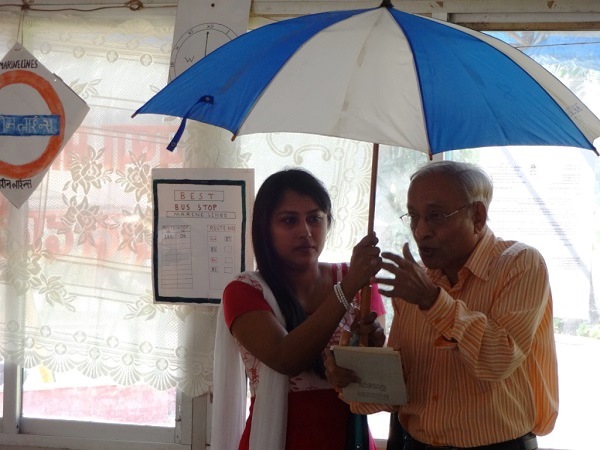
Navanita Parmar presents her love storyWhat was the need for this? Says Sailesh Mishra of Silver Innings, who we teamed with for ‘Koffee With Kahani’, a storytelling session over snacks and coffee, “When we were young, our grandparents told us stories to amuse and educate us. Sometimes, they made up stories on the spot. This activity helped generations bond with each other. These days, though, with families going nuclear and even with grandparents and youngsters glued to TV sets, the art of storytelling is lost. There is hardly any conversation between our elders and us. So this activity will, we hope, bring back our storytelling tradition in a fun way.”

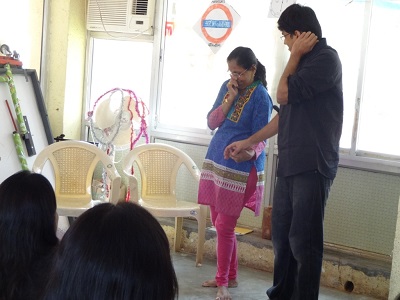
We set December 28 as the date for participants, and selected three great love stories written by Navanita Parmar, Jimmy Dordi and Arun Pandya. The teams set to work, working with youngsters Sanket Jalgaonkar, Renu Jain and Sadaf Surti to present their stories. Of the three, Navanita’s story was a fiction, with the other two stories were real life incidents.

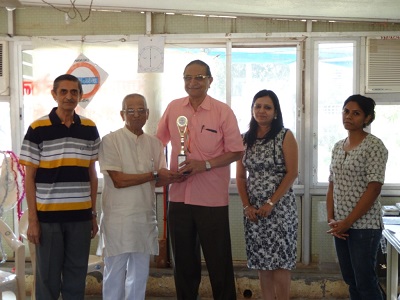
The turnout for the event was great – a mix of senior citizens and youngsters turned up at the Veer Savarkar Udyan, Borivli, to hear and watch three love stories. All three stories were great – Navanita’s moving story was set in the backdrop of mental illness and separation, Jimmy’s story was a hilarious reenactment of his own honeymoon 45 years ago, and Arun’s story was a fun flashback to the time that he as a young man shared a few magical moments with a stranger in the monsoon. Hemendra Jimmy Dordi collects his winner's trophy with his teammate Renu JainBengali provided background vocals to set the stories to music – in Navanita’s story, the gifted singer even provided siren sounds!

The audience voted for Jimmy’s story as the best of the three.

Said Arun, “This was a fun exercise and we enjoyed our rehearsals, too. All three teams would rehearse their lines together and suggest ways to better each other’s presentation. There was no spirit of rivalry at all.”

If you or someone you know would like to be a part of the next ‘Koffee With Kahani’ event, drop us an email at editor@themetrognome.in/silverinnings@gmail.com and we will get back to you with the event schedule, registration process and rules. 

(Pictures courtesy Sailesh Mishra)

Categories
Bombay, bas

Mumbai’s ‘potty’ issue

It’s a basic human requirement, but sadly, an international city like Mumbai still does not have enough clean public toilets.
by Devashri Prabhu

Mumbai’s local trains are the saviours for those who travel to far off places for work. I travel on the Western line, from Borivali to Andheri. The trains, as you know, are crowded even as early as 7.00 am or 7.30 am. So even from Borivali, after the great struggle to get into the train all I can manage is a place to stand near the door.

Okay, so the train starts slowly first and then picks up speed. The wind makes you forget all the worries. You feel happy about the journey even though you are surrounded by a sea of people on all sides, each one breathing onto the other!

And soon enough, a stench makes your nose twitch in disgust.

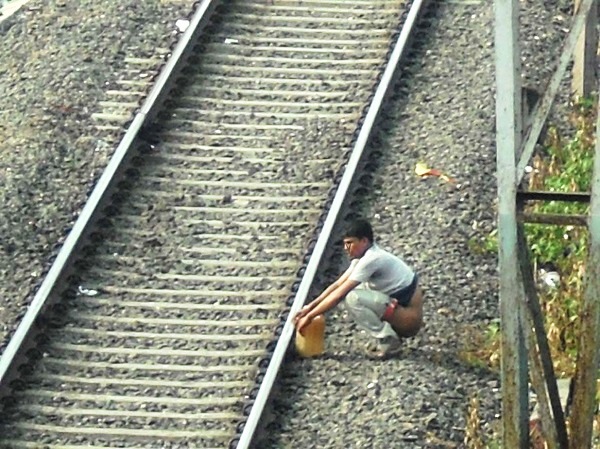
The stench becomes stronger as the train passes through the Kandivali, Malad and Goregaon. Your olfactory senses are then helped by supporting visuals to help you know the source of the stench – the source is nothing but rows of people defecating on the railway tracks.

gents toiletThis type of behaviour is majorly observed in men and also to some extent in women and children. I have encountered this scenario not only on the railway tracks but also on the roads. Isn’t it disturbing? And not only because it is aesthetically displeasing or that it is embarrassing to watch people openly defecating. The most disturbing bit is how unfortunate it is that the need for sanitation is taken for granted in a cosmopolitan city like Mumbai. It is also not a healthy situation both physically and psychologically to be in, if you have no private place to go to, when nature calls, and all you have as an emergency resort is a public place such as railway tracks or main roads of the city.

The practice endangers the lives of those using these open public spaces for defecation, especially along railway tracks and roads. I feel a chill when I se even young tots, unaccompanied by elders, engaging in the same activity on the tracks, oblivious to the oncoming trains.

The needs of these people are to be seriously looked into. The vision for National Urban Sanitation Policy under Ministry of Urban Development, Government of India, is:

“All Indian cities and towns become totally sanitized, healthy and liveable and ensure

 and sustain good public health and environmental outcomes for all their citizens

 with a special focus on hygienic and affordable sanitation facilities for the urban

 poor and women.”

Yes, the Government has an Urban Sanitation Policy in place, known as the National Urban Sanitation Policy, 2008. But what would happen if there are enough toilets built but there is no water facility provided? It would still be as good as no help given. I would go further and state that it is rather equal to mocking the situation of these people.

I also want to bring your attention to the availability of working/functioning community and public toilets. The paid toilets that have come up are a good step in this direction. But what amazes me is that the paid toilets on the railways stations, some of which are recently built, are locked at most hours of the day, and this is true for almost all the ladies toilets a toilet in dharavion the railway platforms. Even while leaving the house for far-off travel, females have to empty their bladders before leaving home.

And when it comes to gents’ toilets, they are far worse than ladies’ toilets. We complain of the stench and the filth in these toilets, but the people employed to take care of these toilets have a huge task at hand. It cannot be easy cleaning a space that the public uses in large numbers. So, we all have to be responsible when using public toilets. If water is available, we should flush the toilets are use – and this is not too much to ask for, don’t we flush the toilets in our own homes?

So the next time we want to assert our rights, we should also ensure that we don’t fall short of carrying out our duties as well. What I get from reflecting on this issue is that the ‘potty’ issue is surely not a ‘petty’ issue for Mumbai!

Devashri Prabhu has a Masters in Psychology and her interests lie in areas like Mental Health, Social Issues and Spirituality.

(Pictures courtesy environmentalwatchman.blogspot.com,  sanitationupdates.wordpress.com, affordablehousinginstitute.org)

Categories
Tech

Review: LG’s Nexus 5

LG’s newest offering adds punch to a device that improves on its predecessors, if you can ignore a few niggles.
by Manik Kakra

The Nexus series has only gained popularity ever since it was rolled out by Google. With the Nexus One and even the Nexus S, the series of phones was only aimed at developers and modders who are interested in their phone’s internal – be it software or hardware. With the Galaxy Nexus, we saw quite a few users starting to take an interest in the phone (big thanks to its pentaband capability).

Then came the Nexus 4, and Google along with LG, decided they would also play with the price factor. The device was shiny, made out of glass, almost latest hardware, and latest software. And now the Nexus 5 – latest hardware, software, simple design, and again a price that won’t make your wallet cry as most of the other flagships today may.

What’s really up with the Nexus 5?

Hardware: LG’s Nexus 5 (D821) is more or less, at least internally, based upon the LG G2. Powered by the Snapdragon 800 SoC (2.2 GHz Krait 400 quad-core, Adreno 330 GPU) and 2 GB of RAM. It comes in 16 GB and 32 GB storage options, and packs 2,300 mAh battery. Running on the latest Android 4.4.2 OS, the phone has, of course, stock Android.

Sporting a 4.95-inch full HD LCD touchscreen, the phone is slightly smaller than the G2, but larger than the Nexus 4. On the back, there is an 8 MP (AF) camera, along with an LED flash; while the front has got a 1.3 MP camera.

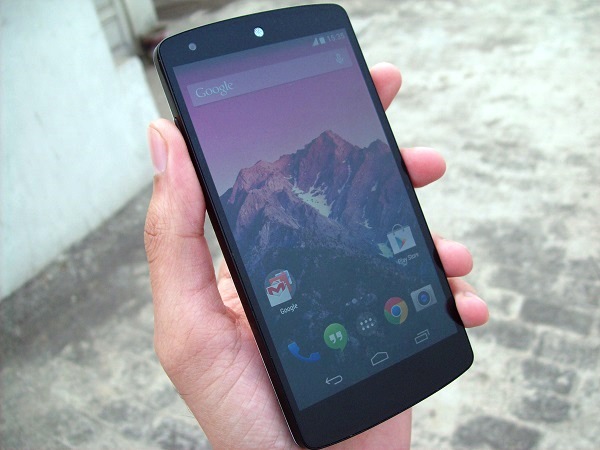
Design: The phone has a very simple design. You won’t be left breathless with its looks, but it is not boring at all. With rounded edges and a curved back, the phone fits nicely into your hand. The plastic used (white model in my case) on the back is not very glossy or slippery. Similarly, the front is also not completely coated in glass like the Nexus 4.

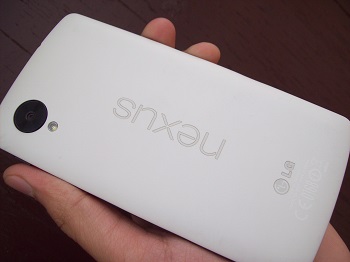
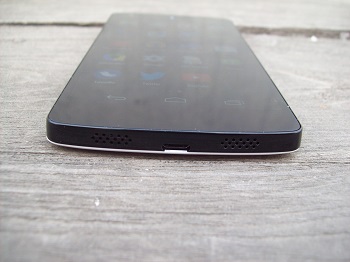
LG Nexus 5On the front, above the screen, there is a distinct white speakergrill, and below the screen. Two grilled speakers at the bottom (only one is a loudspeaker, while the other one is a mic), with the microUSB port placed between them, sort of reminds me of the iPhone 5. On the back, the Nexus logo, which is reflective on the white model, looks nice and certainly adds to the phone’s overall looks.

The camera protrudes a bit at the back. On a side note, pressing the back of the phone with your thumb or finger, especially on the logo, causes the back panel to get pressed, and that might bother those who care a lot about their phone’s body. That pretty much tell you this isn’t your HTC One or iPhone 5 when it comes to build quality. On the left side panel, you only have the volume rockers, and on the right side panel are the micro SIM slot and Power/ Lock button placed right next to it. These buttons are made out of ceramic and are quite sharp than your usual physical buttons, which could be a bit uncomfortable for some, it was just fine with me. Thanks to these buttons construction, you get a nice feedback on pressing them pretty much every single time.

Having said that, if you try shaking them left and right (rather, rattling them), you’ll see they aren’t very well put together in the whole body – this definitely bothered a little. The top has the 3.5 mm headset jack, secondary mic, and there is an LED light right under the screen, where you would normally have physical buttons.

Screen: The phone has a 4.95-inch 1080p LCD. LG hasn’t really disappointed us before when it comes to screens, and it isn’t very different here. The screen is quite bright, colour-rich, and has got decent viewing angles. My review unit had a light leaking issue (right next to the volume buttons and front-facing camera, probably just a one-off case), but it isn’t really an issue in any other units I’ve seen. While the screen isn’t as nice as the G2 or Note 3, it is pretty good and holds quite well against today’s flagship phones’ screens. And yes, it is very well calibrated.

Camera: The phone boasts an 8 MP camera that also has OIS and can shoot 1080p videos. You can check a few sample images here.

The camera is not bad. The 4.4.1 (presently on 4.4.2) update made the stock camera app faster, images sharper, but you may feel you’re still missing out against the likes of the iPhone 5s, LG’s own G2, S4 or even a year-old iPhone 5. Google has also introduced HDR+, which isn’t exactly your traditional HDR mode. HDR+ seems to give different result than what you would expect from HDR, but the mode definitely helps in taking good shots with the Nexus 5’s camera.

You can change the default camera app, but it may not enjoy access to core level as the bundled app does, which means less options and power available to you while taking shots. So, the camera quality is pretty good in daylight, but is just average when the conditions aren’t favourable. To sum the phone’s camera quality, it is noticeably better than the Nexus 4, but well short of the G2.
Audio: The phone’s in-ear audio quality is clear and quite loud (using the bundled headsets). But the loudspeaker’s output is disappointing. It is tiny and distorts at the two highest volume levels. It is way below the G2‘s quality.

The call quality is fine, though I have used phones with louder in-ear sound, I didn’t have any problem with what the Nexus 5 does. WiFi reception holds just as well, and network reception is just as good as you would expect from a flagship smartphone today.

Software and performance: Android 4.4 marks the platform’s move from Dalvik cache to ART (Android RunTime), apart from visual tweaks, new APIs and features. While it is still in the testing stage, you can enable it from Settings in order to give this new runtime a shot, and it’s clear that Google probably wants an alternative to the long-running Dalvik, but whether this is to support mid-range Android devices or just to give an overall performance boost, is yet to be seen.

Android 4.4 KitKat has, other than anything else, given the OS a visual change. There are quite a few changes you’ll see as soon as you start using the device. The icons are now slightly larger than before and that’s definitely a good move by Google. Simply making them larger has given the stock launcher a facelift and also icons in the dock much nicer. I wish fonts used would have also been something different, but that may be just me. It has three Home screens by default, plus, Google Now on the leftmost (swiping left to right) and uses “OK Google” to start the voice assistant.

You still have the Google search bar put on Home screens, same folder and icon arrangement – no changes there. Pull down notification bar is also a bit changed. Settings has now been given a place in the bar and its icon has changed to a cog. The more you use the OS, you will see Holo design has been, umm, whitened. It has been made a few shades lighter, and I am not complaining.

Another addition to the OS is better native emoji support. This means there are no more blank boxes or half missing emojis in any app. The stock google keyboard gives you emojis on long-pressing the Enter key.

Oh, and Google has replaced the default SMS app to Hangouts. So, your video calls, GTalk and phone messaging are all under Hangouts. Is it done neatly? No. This was probably the only half-baked part of the OS. If you’re a heavy SMS user, installing a dedicated SMS app and making it the default is suggested, especially since the Hangouts app doesn’t do good job at separating messages, GTalk IMs and video calls from one contact from your Contacts list.
Using TrueCaller? Well, Google has sort of come with its own way to give users identification to numbers in their call list. If the number is listed in Google’s Business data, you can search the number in Dialer to see the contact details. Handy.

As far as the phone’s performance is concerned, Google has already released two minor updates since the phone got out, and Nexus 5 surely utilises its software and hardware combination in a great way. The OS runs very smoothly – I had no app hiccups (ART may not be your best option here), and I didn’t notice any performance issues throughout my usage. The Nexus 5 is, without a surprise, one of the smoothest smartphones out there.

I think LG’s Nexus 5 is probably the best smartphone you could by in Rs 30,000 today. If you are okay with its camera’s performance, and those little hardware niggles (buttons and back) aren’t going to worry you, this is a great phone for you that guarantees prompt OS updates and gives good hardware inside to power all of it.

Exit mobile version