Categories
Enough said

Back to Muzaffarnagar

How is a pogrom planned and executed? The riots of Muzaffarnagar and other subsequent developments are a recent, ongoing example.
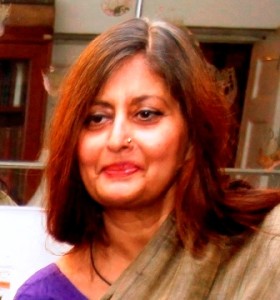
Humra Quraishiby Humra Quraishi

Several people tell me I focus too much on Muzaffarnagar, but I’m in no apologetic mood. I’m trying to focus on and bring attention to what seems to be a genocide.

Yes, that’s blunt. Equally blunt is my belief that today’s politicians are using the age-old strategy of killing in a systematic way. First, riots are made to occur – no riot can start and spread without the knowledge of the police and the State machinery. Provocations are used to ignite an already charged atmosphere. The pogrom is allowed to go on, not stopped. And as research shows, the police play a partisan role.

If recruitment at the police constable level takes place on the basis of caste and community, then it should come as no shock to anyone that the police join the rioters when the riot goes against their own caste. The hapless victims are either killed or made to flee. 

At this stage, the land and political mafia grab the (forcibly) vacated lands and homes and fields. Meanwhile, nobody cares a damn if the affected riot victims die or live like third class citizens. If they dare to point fingers or accuse the wrongdoers, other strategies are used – encounter killings or terror charges are heaped on the victims’ heads and they sit languishing in jails.

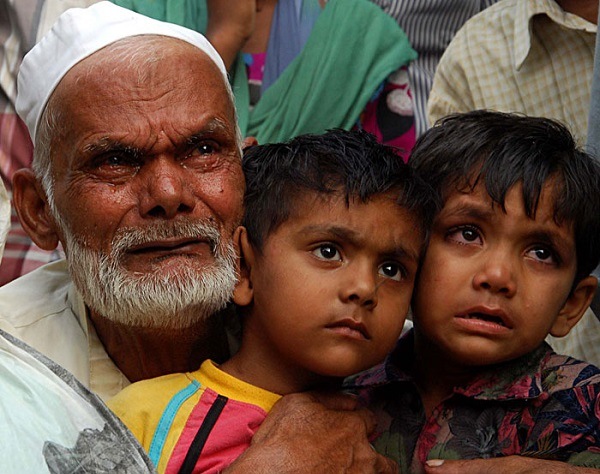
In Muzaffarnagar, though, Akhilesh and Mulayam Yadav have gone a step ahead. The riots went uncontrolled, were allowed to spread to the rural belt, and survivors were not allowed to survive. Even those tattered tents sheltering the victims were pulled off, killing most of them in these freezing temperatures.

The father-son duo is now playing a bigger game – first it was rioting, then  the hounding of the survivors, then an overnight removal of relief tents, then the bulldozing of the very muzaffarnagar riotsstretch where the survivors would sit and where the dead lay in fresh graves. Now, relief workers and activists and the media are being kept at a ‘safe distance’, by introducing a new ‘terror angle’! And to complete this picture of apathy and sheer insensitivity, thick-skinned bureaucrats of the Uttar Pradesh sarkar quip, “Nobody dies of cold…people survive in Siberia”!
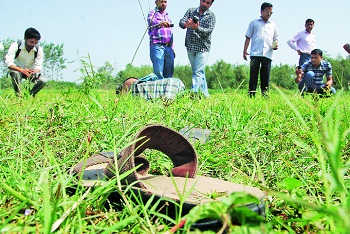
Can we ask these politicians and bureaucrats to step outside their heated offices, and head to these places in this biting cold, not wearing their sweaters and jackets and mufflers, amidst the fog and the mist and the intermittent drizzles? Will they do it? Can they?

It is with a sense of rage that I say: Shame these politicians! After terrorising a hapless population, they are pushing these people towards death – all out there in the open!

Humra Quraishi is a senior political journalist based in Gurgaon. She is the author of Kashmir: The Untold Story and co-author of Simply Khushwant.

(Pictures courtesy www.indianexpress.com)
Categories
Event

Two-day theatre conference starts in Mumbai today

Look forward to book releases, postcards, performances, panels and much more at this two-day do from January 10 to 11.
by Sophia Institute of Social Communications Media, Mumbai

Jhelum Paranjape met a pickpocket in jail and tried to explain Animal Farm to her. Dolly Thakore’s son Quasar Padamsee’s baby sitters included Shabana Azmi and Javed Siddiqui. PG Wodehouse helped Shanta Gokhale fight cancer. Nadira Babbar swore that she would never get into theatre.

At the inauguration of a two-day conference on theatre in Mumbai titled ‘Many Cities, Many Masks’ at 9 am on Friday, January 10, the first book of a proposed series, Lives Of The Women‘ edited by the award winning author Jerry Pinto will be released. Titled On Stage/ Off Stage, this book features four in-depth essays on the professional lives of  eminent women from Mumbai’s stage such as Shanta Gokhale, Dolly Thakore, Nadira Babbar and Jhelum Paranjape.  The post-graduate students of SCMSophia have researched and written this book.

The conference being organised collaboratively by the Sophia College for Women and SCMSophia (Sophia Institute of Social Communications Media) on Friday and Saturday, January 10 and 11, 2014. This forms part of a series of Mumbai seminars organised at Sophia College for the last five years. The conference will feature academic papers and presentations by practitioners and panel discussions.

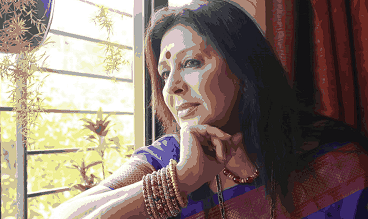
Vandana GupteAdditionally, a commemorative postcard set ‘Green Room: Mumbai’s Theatre Makers‘ featuring photos  taken by SCMSophia students of  personalities from English, Hindi, Marathi, and Gujarati  theatre in Mumbai including Anahita Uberoi, Shernaz Patel, Rita Rose, Annapurna Shukla, Aditi Desai, Vandana Gupte (in pic on left) , Kavita Lad Medhekar, Rasika Dugal, Shanta Gokhale, Nadira Babbar and Dolly Thakore will be released.

The postcards also feature insights in the form of quotes from all these personalities. “After the third bell the cast waits in the wings.  At this time, you realise more than ever how crucial you are to each other.   In the silence you acknowledge each others talent, strengths and weaknesses and together step into the collective performance zone… to create the collective illusion that we call theatre,” says Anahita Uberoi.” The theatre is a space where I submit to the will of my audience,to the vision of the director and to my own vanity,” admits Rasika Dugal candidly.

This conference will also see the release of Mumbai—Socio-Cultural Perspectives: The Contribution of Ethnic Groups and Communities, a collection of papers presented at a previous conference at Sophia College. Students of SCMSophia and Sophia College will also be presenting short performances during the breaks adding to the festive atmosphere.  These include a street play on Freud, bhavai (on Marx), lavni (on Galileo) and qawwali (on Darwin) during the breaks.

Categories
Event

Kerala’s historic art form comes to Mumbai

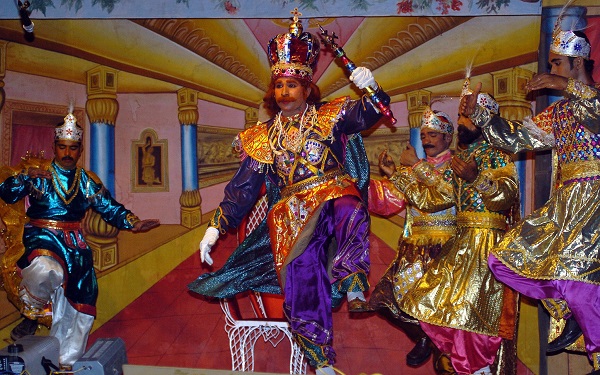
Chavittu Naatakam, India’s most ancient coastal art form from Kerala, forms the theme of the annual Keli Festival starting today.
by The Editors | editor@themetrognome.in

Human life is incomplete without cultural identity. When people migrate to distant shores, they take with them aspects of their culture, which then mix with the local cultures to create unique cultural expressions. Chavittu Natakam, India’s most ancient maritime theatre tradition is one such cultural expression that came out of such a mixing of cultures – drawing from the European operatic tradition carried by the Portuguese Christian missionaries who came to Kerala’s shores post the 15th century, and merging with the local Kerala martial arts and dramatic traditions.

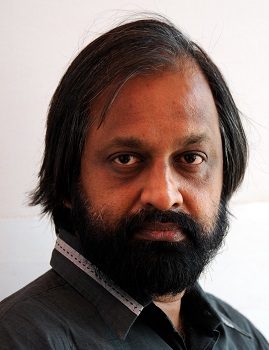
ramachandran kStarting today, the Keli Festival, a three-day festival to be held at the YB Chavan Auditorium, Nariman Point and Prithvi Theatre, celebrates Chavittu Natakam. Performances over the three days will retell the history of Emperor Charlemagne’s capture of Turkey, and the events that unfolded thereafter. The Metrognome spoke to Keli Festival director Ramachandran K (in pic on left) about the festival; he has been the Festival’s Director since its inception in 1992.

Why did Keli think of bringing Chavittu Naatakam to Mumbai?

I was the special curator for the cultural programmes of India’s premier biennale that happened in Cochi last year. During my work I came across this art form and associated with it. I realised that the historic relevance of this art form in the art history of the world is not yet unveiled. It was not much presented outside Kerala, except for one performance that happened in the 60s in Delhi. It was in these circumstances that our organisation KELI decided to do this year’s annual festival with Chavittu Naatakam as the main theme and to propagate the strength of this art form to the maximum possible extent.

What is the response you anticipate to the Keli Festival this year?

Fairly good. We have had lots of enquiries already.

Can you elaborate a bit on Chavittu Naatakam’s importance in present-day life?

It is the only existing, most ancient maritime theatre tradition in India. It is quite remarkable that it passed the test of time for over five centuries.

Chavittu Naatakam has a significant place in the art history of the world. [It is] A pattern of culture that migrated from across the sea; a theatre form that was nurtured and Anjelikka അഞ്ചേലിക്കdeveloped by the coastal people, a tradition of drama written, directed and enacted by the same coastal people, and a theatre movement with performance spaces, created at the coastal villages out of meagre donations from villagers. It is an artistic emanation which draws its audiences from the same coastal people – Chavittu Natakam is truly the most authentic ancient maritime theatre tradition in every sense of the term.

Unfortunately, no serious research or academic studies have been done on this fascinating art form so far, nor have academies and state patrons extended significant attention towards preserving and propagating this tradition. The form lives on due to enthusiastic artists, passionate audience, and the support and dedication of a very few art lovers.

What has been the most satisfying part of being associated with an initiative of this sort?

Bringing the Indigenous artistic strength of India’s rural locales to the metros, with their purity of tradition.

Why do you think that Mumbai needs to be exposed to Chavittu Naatakam?

Mumbai should acknowledge the proud legacy of the only maritime theatre tradition in India. I also feel that artistic traditions should be explored more and should be presented without being compromised on quality.

Programme schedule:

Day 1

Venue: YB Chavan Centre, opposite Mantralaya, Nariman Point.

Date: Thursday, January 9, 2014 | Time: 6.45 pm

Inaugural Programme: Story: Karalman Charitham (Charelsmagne) Part 1

Written by : Chinnathambi Annavi

Presented by: Yuvajana Chavittunataka Kalasamithi Gothuruth

Directed by: Thampi Payyappilly

Day 2

Venue: Y.B. Chavan auditorium,Opp. Mantralaya

Date: Friday, January 10, 2014 | Time : 7.30 pm

Story: Karalman Charitham (Charelsmagne) Part 2

Day 3

Venue: Prithvi Theatre, Juhu, Vile Parle.

Date: January 11, 2014 | Time: 7 pm and 9 pm

Story: Karalman Charitham (Charelsmagne) Part 3 ( Subtext)

Name of Subtext: Story of Anjelikka

Written by : Raphel Acharuparambil

Presented by: St. Rocky’s  Nrutha Kalabhavan, Pallippuram

Directed by: Alex Thalooppaadath, disciple of late Guru Antony Charamkulam

Collect free entry passes from YB Chavan Centre, Rhythm House, Prithvi Theatre, Maharashtra Watch Company, Dadar and Giri stores Matunga.

Categories
Whatay!

10 ways to get an auto at Andheri

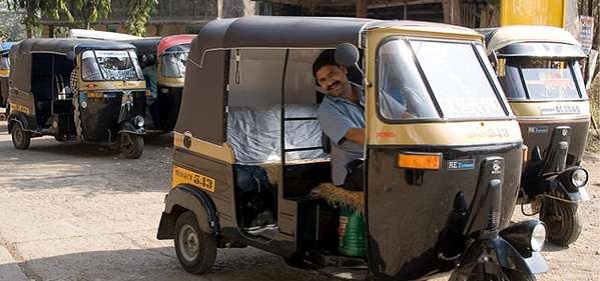
Andheri is Mumbai’s transport nightmare – and your biggest challenge is getting an auto here. Let us help you out.
by Andy Reghu | @thereghu

Recently, a man from Andheri was awarded the suburb’s highest civilian award. Funnily enough, he did not win for any of these categories:

– Rescuing a kitten/puppy at Lokhandwala.

– Saving the life of a struggling actor.

– Driving responsibly near Andheri station.

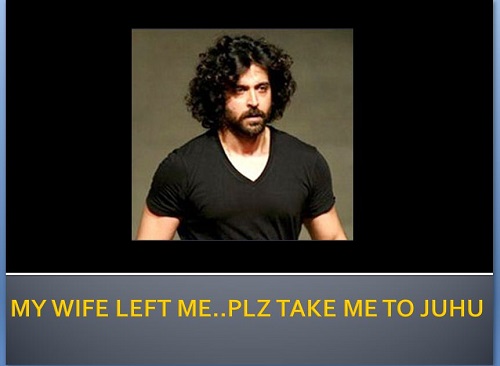
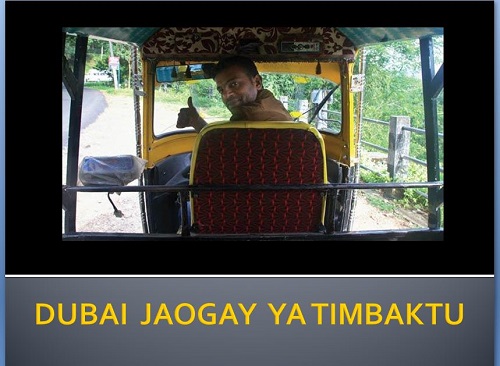
This man’s feat was too big to slot into any of these categories, because he did something that will see his name recorded in the annals of Mumbai’s history. He managed to get an autorickshaw at Andheri (gasp!). And convinced the driver to take him to Juhu (double gasp and choke).

We spoke to this jaanbaaz auto catcher and he gave us 10 tips on how to get lucky with an auto in Andheri East and West. Read on to save your life. Also, you’re welcome.

#10) Buy an autorickshaw.

Yes, the auto will cost you a fortune, but look on the bright side – you won’t have to hire an auto again and you might even have an alternate profession which will definitely get your more money and literally have the suburbs at your feet.


#9) Carry a gun.

This always works, because nobody argues with a gun. You may go to jail, but so did Mahatma Gandhi. Before you put this plan in operation, ensure that the rickshawwallah does not have a bigger gun.


#8) Have an emotional meltdown.

Stand in front of the auto and fake a heart attack. If you are lucky, the auto will actually stop for a  second without running you over. If you’re really lucky, the driver might ask you where you want to go. Caution: Don’t fake an asthma attack because every second person in Andheri has asthma anyway.


#7) Don’t tell him where you actually want to go.

This PC Sorcar-level magic trick always works. Just get into the auto and don’t say a word. Let him drive you around and when he finally stops, let that be your destination for the day.


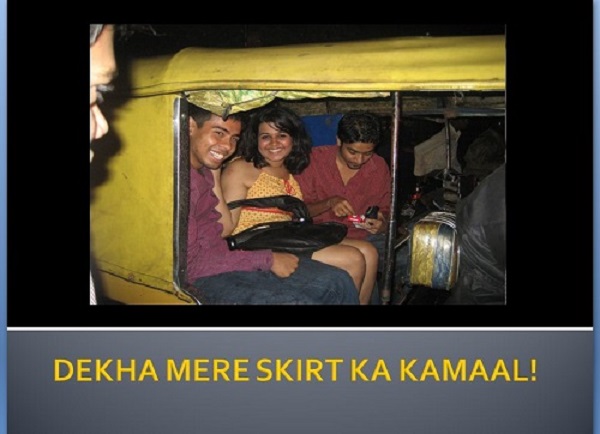
#6) Wear a mini skirt.

Do this even if you’re a guy. According to recent statistics, of the 8 out of 10 times that you wear a mini skirt, you have a 7 out 9 times chance of successfully getting an auto 11 out of 9 times.  


#5) Dress up as a policeman.

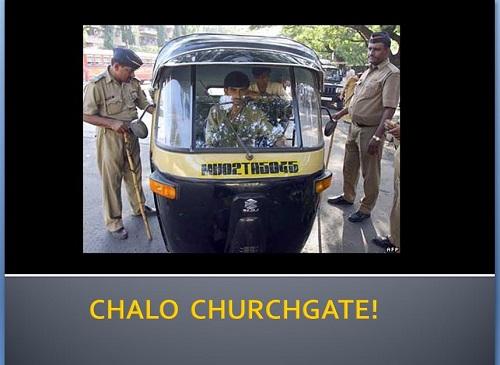
Wear khaki pants, a khaki shirt and a dark blue cap. People might think you are a relationship manager with Axis Bank, but swallow your pride and when you spy an auto coming, start chewing some paan wearing the above disguise. This trick ensures that the autowallah comes to you himself and even pays you some money without you saying a word.


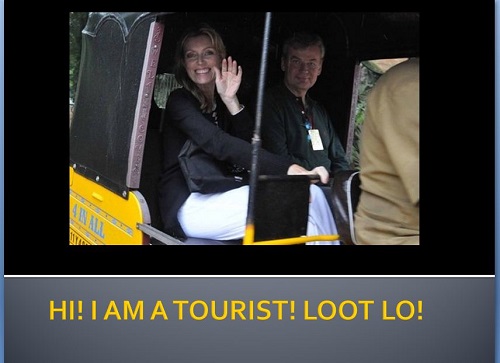
#4) Act like a rich tourist.

Get a fancy hat, huge sunglasses and speak in an accent. The auto drivers will automatically pick you as their bakra for the day. Try this once a month, not oftener.


#3) NEVER say “Andheri jaana hai“.

Saying the words ‘Andheri station’ to an auto driver is probably the biggest insult you can mete out to him. No wonder every autowallah just zooms past on hearing them.


#2) Date an auto driver.

Auto drivers lead exciting lives, zooming in and out of the city, and after their strenuous working day, every autowallah needs some TLC. This is where you come in. So make fraandship with an auto driver who stays in Andheri, be nice to him and he will rock your world.


#1) Lie shamelessly.


As soon as you spot an auto, just yell “Mujhe Andheri nahin jaana!” He will happily take you on board. Five minutes later, pretend to go into a trance and mumble, “Andheri…Andheri…”. Don’t make eye contact and throw in some weird facial and hand gestures. The auto driver will do anything to be rid of you, even drop you to Andheri station.

‘Whatay!’ celebrates the fun side of Mumbai. The author of this piece, Andy Reghu, claims to be a writer, a stand up comic, a professor and a nuclear biologist. 

(Featured image courtesy trendhunterstatic.com)

Categories
Tech

Nokia launches Lumia 1320 and Lumia 525

Two new phones from the Nokia Lumia stable hit Indian shores today. A look at what’s good and what’s hot.
by Manik Kakra

Nokia today launched its Lumia 1320 (see image above) in India. The device, first seen at the last Nokia World, sports a 6-inch 720p LCD touchscreen with Corning Gorilla Glass 3 on top. The phone has a 5 MP rear camera (f/2.4) along with an LED flash and it can shoot full HD videos at 30 FPS; while the front has a VGA camera.

Under the hood, this Windows Phone 8 device has Qualcomm’s 1.7 GHz dual-core Snapdragon S4 SoC, with 1 Gb of RAM. Connectivity-wise, the Lumia 1320 has microUSB 2.0, Bluetooth 4.0, WiFi b/g/n, NFC, A-GPS, and 3G. Powered by 3,400 mAh battery, the phone comes with 8 GB of internal storage, which can be expanded up to 64 GB via microSD card, and users also get free 7 GB of storage space on Microsoft’s SkyDrive cloud service.

Yes, it does seem like the Lumia 1520‘s budget version, and it’s pretty much so. The Lumia 1320 comes in red, yellow, white and black colours, and has been priced at Rs 23,999.

Nokia_Lumia_525_Coming to the Lumia 525, it is the successor to Nokia’s popular Lumia 520. The phone has the same 4-inch (800×480) touchscreen, and Volume, Camera and Power/ lock keys. The Lumia 525 has microUSB 2.0, WiFi b/g/n, Bluetooth 4.0 and 3.5 mm headset jack. Powered by 1,430 mAh battery, this phone has a 1 GHz dual-core S4 SoC and 1 GB of RAM, which is double that of the Lumia 520, its predecessor.

Just like the Lumia 1320, the Lumia 525 also comes with 8 GB of internal storage, and microSD card slot for expanding storage and 7 GB of free SkyDrive storage space. Nokia’s Lumia 525 comes in black, white, orange and yellow colour options. Lumia 525 users will also get games, like Asphalt 8, N.O.V.A 3, up to Rs 2,025 free till end of March 2014.

Categories
Swaad 'Anu'saar

Saal ki shuruaat mein kuchh meetha ho jaaye!

Make the start of 2014 even sweeter with these traditional Makar Sankranti recipes that are great for the winter, too.
anurita guptaby Anurita Gupta

Naye saal ki shuruaat meethe ke saath!

To make 2014 even sweeter, I present to you some traditional sweet treats that are not just part of the upcoming Makar Sankranti festival (on January 14) but which are also good for the soul in winters.

Thankfully, the month of January rings in cool breezes and celebrations with various names. Call it Makar Sankranti, Pongal, Bihu or Uttarayan, January 14 every year is celebrated as the harvest festival in the country. So let’s take a look at few of the traditional dishes that various communities make on the day that are equally yum on any other.

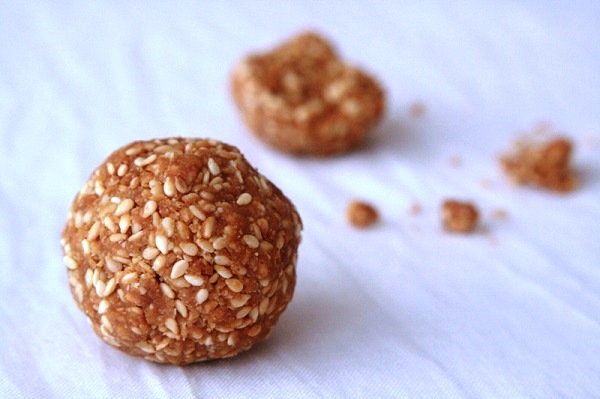
Til-gud laddoo: “Til gul ghya, aani god god bola” which means ‘Receive these til and gud and speak sweet words’ is how Maharashtrians begin Makar Sankranti, where they aim to remove all negative feelings and animosity by talking sweetly with each other and becoming friends once again. However, til and gud are two ingredients that are used in many delicacies made by other communities as well.

For now let us relish the til-gud laddoo. All you need is a cup of white sesame seeds (til), 2 big spoons of dry roasted peanuts crushed, 1/2 cup jaggery (gud) and a pinch of elaichi powder and ghee. Roast the dry sesame seeds on medium flame until they start giving out a strong nutty aroma and the seeds begin to pop. Remove from heat. Now heat the gud with 2 tablespoons of water on medium heat so that it melts evenly and does not get burnt. How do you know if the gud slurry is ready? Add a drop of gud in a plate of water. If it stays put, it is ready.

Now add the sesame and peanuts to the mixture and remove from heat. Add elaichi powder to this and start working quickly. Take a spoonful of mixture on a clean plate so it cools down a bit before you start rolling out small 2 inch-sized balls with your ghee greased hands.

Hot tip: If the mixture cools down before you have finished making all the laddoos, then reheat and start over again. To avoid this, get a bunch of your family members to give you a hand and let the festivities roll.

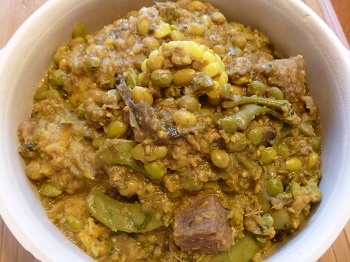
Undhiyu: Our Gujju biradari loves its ‘undhiyu’ to the core. It consists of baked vegetables with all the spices and chillies that Gujaratis love. Undhiyu is a special dish made for undhiyuJanuary 14 and is called uttarayan as well. The name of this special delicacy comes from the Gujarati terms ‘matlu’ meaning ‘earthen pot’ and ‘undhu’ meaning ‘upside down’, considering the vegetables are cooked upside down under the ground in a matka and the heat is provided from above.

Undhiyu is a winter time dish and has vegetables that are readily available in the South of Gujarat in this time, like green beans, sweet peas (also known as ‘surti papdi’), raw bananas and yam. The spicy curry has a special touch. Here’s how you make it. There is quite an extensive list to make this one.

You need 2 small earthen pots (fired matlu), 2 tbsp castor oil (edible), 2 bunches custard apple and jamun leaves. For the oven, you can also use salad leaves. The vegetables needed are a kilo of papdi, 1 kilo of surti papdi, 200 gm each of parwal, tindora, cucumber and French beans, 100 gm green grams and 4 raw bananas, 2 potatoes, 2 tbsp onion seeds, oil and salt to taste.

For the green masala, you need 4 cups finely chopped coriander leaves, 2 cups grated fresh coconut, 200 gm green chillies, 3 tsp dhana jeera powder, red chilli powder to taste, 1 tsp haldi, ½ a tsp asafoetida (hing), 2 tbsp ghee and 2 tbsp lemon juice. After you prepare the extensive number of ingredients, take heart, because putting together the dish is fairly simple.

A day before cooking, wash the pots well and dry them completely. Then apply castor oil inside them, cover and keep aside. The next day, cut all the vegetables and grind the green masala separately while using a bit of ghee to make into a coarse paste. Add all the spices and onion seeds etc., to it. Now mix the green masala with the vegetables except the papdi. Season the papdi well. Now in the pot, put a layer of the vegetables and then the papdi. Repeat until the pot is full up. Cover and cook. You can’t quite put it underground but you can cook all the stuff with the ‘dum’ method – sealing the pot with dough and letting it simmer for 2-3 hours.

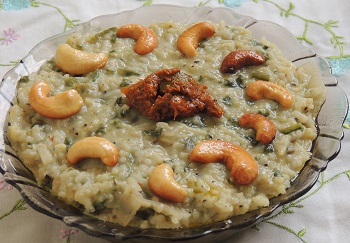
pongalPongal rice: The first festival of the New Year is called Pongal in the Tamil community. No wonder then there is a special sweet dish that is inspired by the name of the festival: Pongal rice. This is a rather simple dish, prepared to offer to Mother Nature during sunrise. Traditionally, you boil rice with fresh milk and jaggery in new pots that are further topped with brown sugar, cardamoms, cashews and raisins very early in the morning and allow it to boil over a bit. That very moment, the tradition says you shout out “Ponggalo Ponggal!” and blow the conch, a ritual that is followed to call on happiness, blessings and good tides. Personally I love to enjoy Pongal with freshly-made puri but you can choose to have this delicious, aromatic offering solo.

With that, here’s hoping that the New Year brings lots of joyful culinary experiences, successful cooking trysts and of course, goodie good food your way. Khao and ciao!

Anurita Gupta is a media professional who is passionate about two things – food and radio. Her love for all things food makes her a foodie with a cause. ‘Swaad Anusaar’ is her weekly take on all things food.

(Pictures courtesy enjoyindianfood.blogspot.com, boisdejasmin.com, vidhas-jg.blogspot.com)

Exit mobile version