Categories
Tech

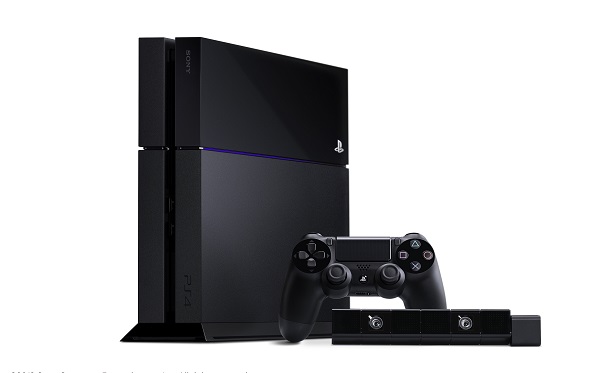
Sony unveils PlayStation 4 in India

The device will be available for purchase in India from January 6, 2014, for a price of Rs 39,990. Know more.
by Manik Kakra

Sony today unveiled its popular and much awaited gaming console, PlayStation 4, in India. The system has got loads of chips inside, and let’s a brief look at those:

– Octa-core AMD Jaguar processor

– 8 GB GDDR5 RAM

– AMD 1.84 TFLOPS GPU

– One AUX Port, Ethernet Port, WiFi b/g/n, Bluetooth 2.1 (with EDR), HDMI out, and Digital Optical Port

The new DualShock 4 controller comes in black, blue and red colours. It is equipped with tw=point touchpad, light bar, standard four-way directional buttons, vibration, PS button, Share button Options button as well as built-in speakers. Consisting of Bluetooth 2.1 (with EDR), the device is powered by 1,000 mAh battery.

The camera with the console can shoot up to 1280 x 800 videos at 60 FPS. Using the official PlayStation iOS and Android apps, you can extend your smartphone as the second screen for your game console.

The PS4 goes on sale in India on January 6, 2014, and has been priced at Rs 39,990. This will get you the main system, one controller and one camera, along with standard cables. Buying another camera and controller will cost you Rs 4,990 each. Some of the launch titles are KillZone: Shadow Fall, NFS: Rivals, Knack and Call of Duty: Ghosts.

Categories
Tech

Lenovo launches Vibe X

Lenovo’s latest offering in India is an Android smartphone that costs Rs 25,999, marking the launch of the Vibe series.
by Manik Kakra

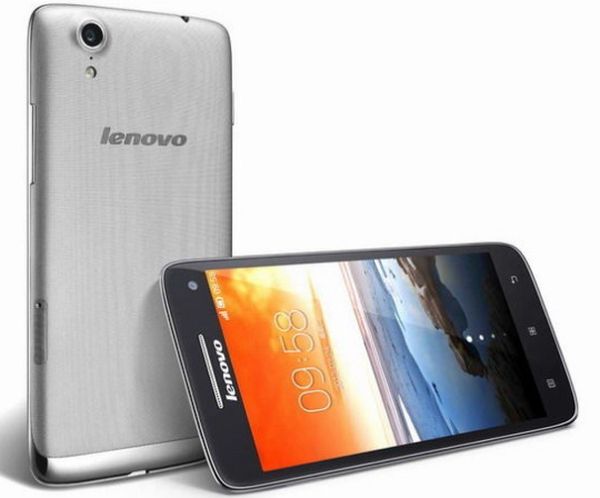
Lenovo today unveiled its new Vibe X Android 4.2.2 smartphone in India. The device marks the launch of the company’s new Vibe series of handsets. Weighing 121 grams, the Vibe X sports a 5-inch full HD screen with Gorilla Glass 3 on its edges. Under the hood, there is a 1.5 GHz quad-core MT6592 chipset and 2 GB of RAM. It comes with 16 GB of on-board storage, and is powered by 2,000 mAh non-removable battery.

On the back, there is a 13 MP (AF) camera (with LED flash); while the front side has a 5 MP camera. Connectivity-wise, the phone is equipped with 3G, Bluetooth 3.0, microUSB 2.0, WiFi b/g/n WiFi Hotpsot and A-GPS.

The Vibe X comes in only silver colour, and is priced at Rs 25,999. It goes on sale on December 21, 2013, and can also be pre-ordered here, where you will also get a free flip cover along with the phone.

“Our ultimate goal is to use innovation to differentiate Lenovo and become a leading PC + brand. We are confident that the Vibe X will be a popular choice in the Indian market where consumers crave for intelligent performance in a slim and light package. With this launch, we strengthen our focus on the smart connected devices segment,” Amar Babu of Lenovo explained.

Lenovo has been quite aggressive in the Indian market for quite a while now. It has been doing great in the PC market, and is now looking to get a larger share of consumer phone market with this offering, and six other Android smartphones it had launched a few months back. It will be interesting to see how they differentiate their products, and if we get to see OS upgrades from them or not.

Categories
Tech

Just in: XOLO Play Tegra Note

XOLO’s new tablet, the Play Tegra Note, was launched in the country yesterday; carries a price tag of Rs 17,999.
by Manik Kakra

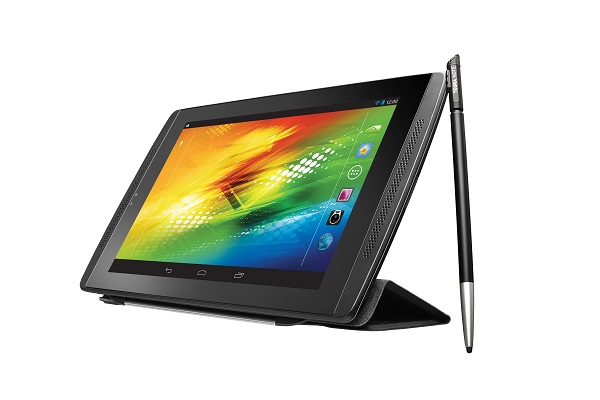
XOLO yesterday launched its new Play Tegra Note in India. The tablet sports a 7-inch (1280×800) LCD, and comes with a stylus for writing and drawing purposes. Under the hood, there is a Tegra 4 SoC (1.8 GHz quad-core A15 and 40S GPU), along with 1 GB of RAM.

The Play Tegra Note features WiFi a/b/g/n, WiFi hotspot, Bluetooth 4.0, microUSB 2.0 and GPS for connectivity options. On the rear, there is a 5 MP camera; while the front has a VGA camera. It is powered by 4,100 mAh (15.`7 Watt) battery. Running Android 4.2.2 (near stock), it is said to be upgraded to Android 4.3 soon. Other usual features include Light Sensor, Gyroscope, 3.5mm headset jack, and Proximity Sensor.

The tablet has been launched at a price of Rs 17,999, and comes in only one colour. You can also pre-book one here, which will get you a smart cover worth Rs 2,499 (as per the company website) for free.  Looking at its price, it is quite clear that the company wants to get some consumer attention, with the Nexus 7 and iPad mini Retina currently in the top two places; it will be hard for XOLO to compete if they price their devices at par with these known contenders. This new tablet seems good on paper, but can only be described once tried for a fair amount of time.

Categories
Tech

State of Zen – the new Ultrafone 701 FHD

Zen’s new smartphone, the Ultrafone 701 FHD could do with a few bug fixes for a device at that price.
by Manik Kakra

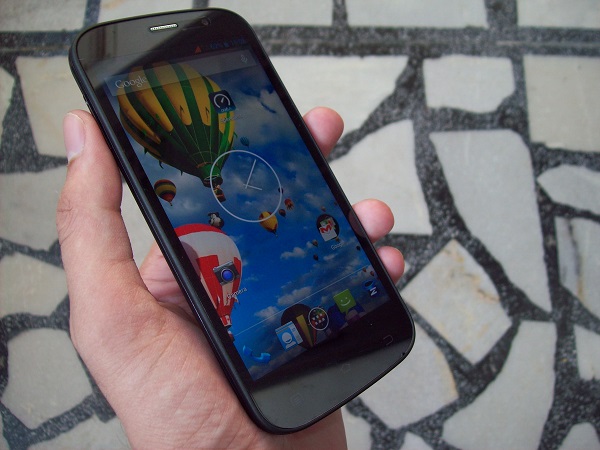
Zen has been one of those Indian brands that have getting a lot of attention recently. The company launched the Ultrafone 701 HD a few months back, and has now come up with its successor –the Ultrafone 701 FHD. The Ultrafone 701 FHD is an Android 4.2.1 smartphone powered by Mediatek’s MT6589 chipset, along with 1 GB of RAM. Boasting a full HD screen, the phone makes the sub 20k phone range more interesting. Without further ado, let’s start with our review.

Hardware and design

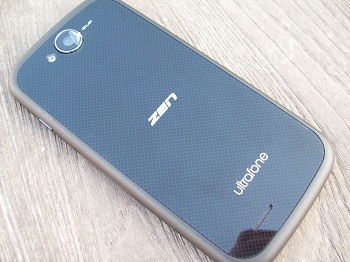
The Ultrafone 701 FHD follows the usual slab design without much added or removed from the picture. As soon as you hold the device, you realise it’s not bulky and fits well in the hand. A glossy back with plastic coating on top, it is probably the only design part which makes the phone different from a lot of slab-styled phones out there. Having matte grey edges, just like its front edges, these are certainly better while holding the device and performing a task with one hand.

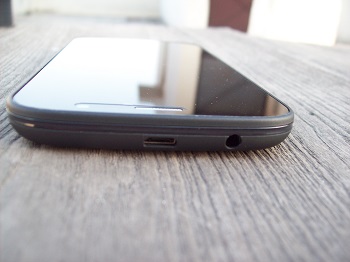
The front sports the screen with speaker grill and camera above, and three capacitive buttons – Options, Home and Back – on its bottom. The bezel below the screen is a bit too noticeable, especially considering how much space is left even after providing some for buttons. On the right side, you only have the Power/Lock key. On the left, you have the volume rockers. And the top gets 3.5 mm headset jack along with microUSB port. The back boasts a 13 MP camera, Zen logo in the middle and loudspeakers at the bottom – all black back with a diagonal pattern.
New Zen UltrafoneScreen

Talking about the screen, the phone has a full HD display, which is pretty much its USP. The screen quality is, let’s just say, good. It’s not very bright, but videos mostly look just fine. Colours are not very rich, but a bit washed out, and probably the way you would expect when the company wants to save on some bucks. The resolution seems good when viewing images. And visibility under direct sunlight it also average. I was expecting the screen to be much better, considering how much effort the companies make on them these days.

Camera

The phone sports a 3 MP rear camera that has a Bsi 2 sensor for better photographs under not-so-good light conditions. Here are a few sample images: http://imgur.com/a/cgfZT

The images mostly came out nice and clear. My experience with this camera in low-light conditions wasn’t too good. It was just okay, but in daylight and in general, it’s probably as good as you can get from an Android device priced around Rs 15K, apart from unusual over-sharp images. Just that the stock camera app isn’t the best, and you may well try a few third-party apps to get more out of the camera.

The front facing 8 MP camera is nice, wide angled and really good for your video calling and mirror needs.

Audio

I was very irritated due to the placement of the loudspeakers – right at the bottom on the back. I had missed so many calls and alerts due to sound getting all muffled with the phone New Zen Ultrafoneplaced back side down. Though the sound is actually quite loud and clear, the moment you place the phone down, you wouldn’t hear a single thing. In-ear sound quality is just fine, but I have tried phones with much better sound quality than this, even at this price point.
Call quality wasn’t an issue with the smartphone. I was satisfied with the audio during call, and also didn’t notice any network reception trouble during my usage.

Battery

The phone is equipped with 2.050 mAh battery, and takes more than three hours to get charged, which is a bit too much for a battery cell this size. I usually got about 18 hours of battery life with about four hours screen on time. It’s apparent that the full HD screen takes a toll on the battery life, and the phone could do with a firmware update to get better battery utilisation.

Software and Performance

The Ultrafone 701 FHD runs on Android 4.2.1 with near stock software. You get a few pre-loaded apps like WhatsApp and Saavn, but it is more or less stock Android Jelly Bean. Under the hood, there is a quad-core MT6589 SoC, along with 1 GB of RAM. And here’s the thing: the phone works smoothly when you are using two to three apps and keep exiting each one. But when you are in an app, using it for more than, say, half an hour, you realise that the RAM capacity isn’t enough.

The company says the chipset used here isn’t much optimised for 2 GB of RAM, so that had to put in 1 GB. That was my main issue with the phone’s performance; it will remain smooth but definitely lags and stutters in apps when an app or two are used (on-screen) for a bit. The capacitive keys, when pressed in an app or when using the default keyboard, will show you what I am saying. Smooth initially, but mostly sluggish performance after using for about half an hour.
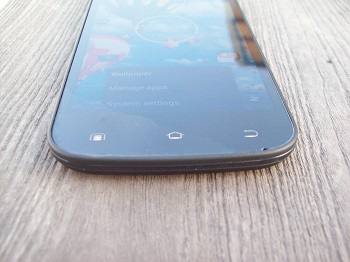
New Zen UltrafoneThe OS isn’t much different from stock Android and that isn’t really a bad thing. We have been told that the phone will get Android 4.3 update in a month or so, but there is no official word on 4.4. There are five Home screens by default, you can customise the way you need. The App Drawer, Notification Center, all are exactly how we are used to seeing, not much different even from the 701 HD.

All in all, it is clear what Zen is trying here – bring in quad-core devices with full HD screens and offer them in sub 18k range. The 701 HD was a pretty good device for under Rs 13,000, but the 701 FHD could do with a few bug fixes – battery optimisation and general performance – on order to give the Sony and Nokia phones in this range a run for their money.

Categories
Tech

Apple iPad Air and mini Retina launching in India this week

December 7 will see the launch of two new iPads in India. Know the specs you can expect from both.
by Manik Kakra

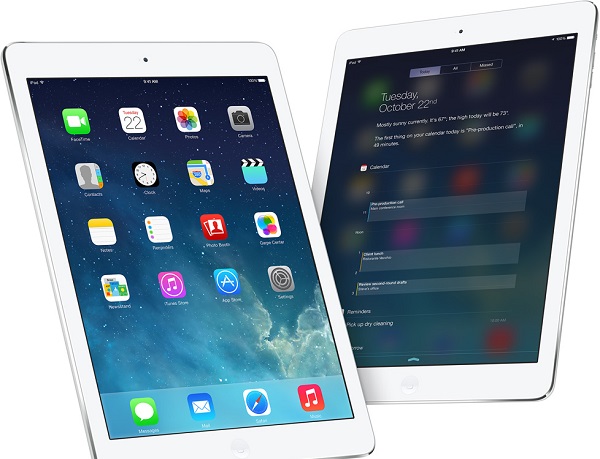
The new iPads – iPad Air (in pic above) and iPad mini with Retina Display – are going to launch in India on the December 7. As per one of Apple’s retail partners in India, Ingram Micro, the iPad Air’s price will start from Rs 35,900 for the base model (16 GB WiFi), and the iPad mini Retina will start from Rs 28,900 for its basic model.

While the iPad Air may cost up to Rs 67,000 for its 128 GB WiFi + cellular model, the iPad mini Retina is expected to notch around Rs 60,000.

Apple’s iPad mini (original) will is still available for its starting price of Rs 21,900, and the iPad 2 for Rs 28,900. Previously, Apple launched the iPhone 5C and iPhone 5S in India, but this time there doesn’t seem to be too much of a difference between the official prices in the US and India.

Both the tablets, available in space grey and white-silver colour options, will hit the shelves on December 7, and the announcement could come as late as Friday.

These are the hardware specification of these iOS 7 devices:

iPad mini_RetinaiPad mini Retina (in pic on left) Display:

7.9-inch Retina Display (326ppi)

Dual Channel, WiFi a/b/g/n; Bluetooth 4.0

1.2 MP front-facing camera; 5 MP rear camera

A7 chip (64-bit) along with M7 co-processor for motion


iPad Air:

9.7-inch Retina Display (264ppi)

Dual Channel WiFi a/b/g/n; Bluetooth 4.0

1.2 MP front-facing camera; 5 MP rear camera

A7 chip (64-bit) along with M7 co-processor for motion

Categories
Tech

HTC’s One Max comes to India

HTC’s newest phone is priced at Rs 56,490; the phone’s high price could be accounted for by fluctuating rupee-dollar rates.
by Manik Kakra

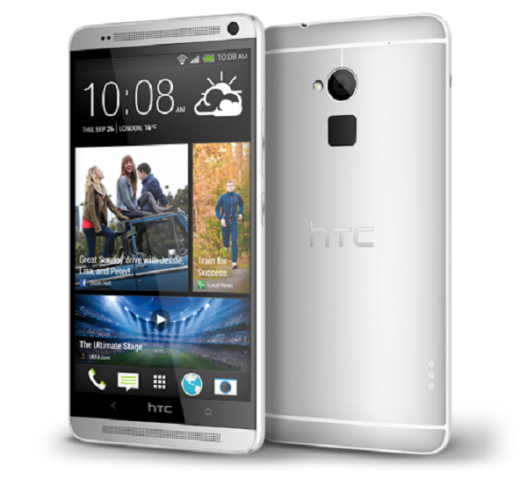
HTC has just officially launched its One Max in India. This phone boasts a 5.9-inch 1080p LCD 3 touchscreen, and is touted as the One’s big brother. Under the hood, there is Snapragon 600 (.17 GHz quad-core Krait 300) SoC, along with 2 GB of RAM. On the back, there is a 4 MP ‘Ultrapixel’ camera as well as a fingerprint scanner mainly for unlocking the screen and launching three apps with a finger swipe (three fingers pre-assigned by the user). The front side sports a 2.1 MP wide-angle camera and dual speakers. It runs on Android 4.3 Jelly Bean with HTC’s Sense 5.5 UI on top.

Weighing 217g, the One Max features Bluetooth 4.0, WiFi a/b/g/n/ac, NFC, a microUSB 2.0 port and 3.5 mm headset jack. The phone is powered by 3,300 mAh battery, and is available in 16 GB and 32 GB storage options, expandable up to 64 GB via microSD card.

First showcased back in October, HTC has priced the phone at a whopping (MRP) Rs. 61,490, and it’s now available in the market for Rs. 56,490. Users also get 50 GB of free Google Drive storage space for two years. The company also unveiled the official Power Flip Case accessory for the One Max, which aims to provide 1,200 mAh of juice while providing for protection to the device as a shell.

It is evident that the rupee-dollar exchange rate has really made phones prices rocket in the last couple of months or so, and it’s hurting. It’s hard to imagine people going for this phone for over Rs. 55K, maybe once the price goes under the 50k mark, it may well attract a lot of user looking for a large-screen phone.

Exit mobile version