Categories
Wellness

Fat. So?

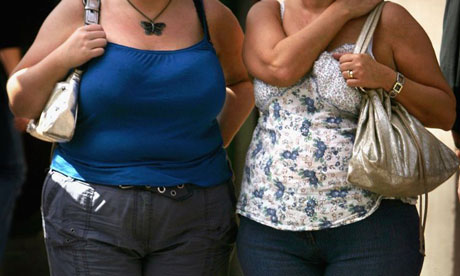
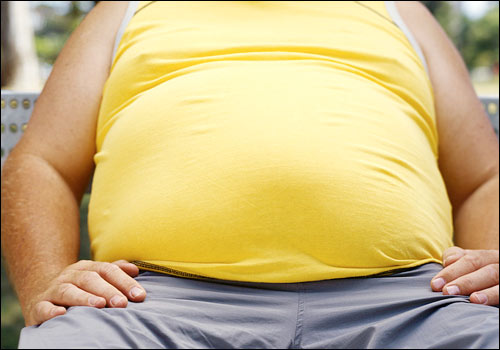
Obesity causes serious disorders, and goes beyond weight issues alone. Here’s how you can get out of the fat trap.
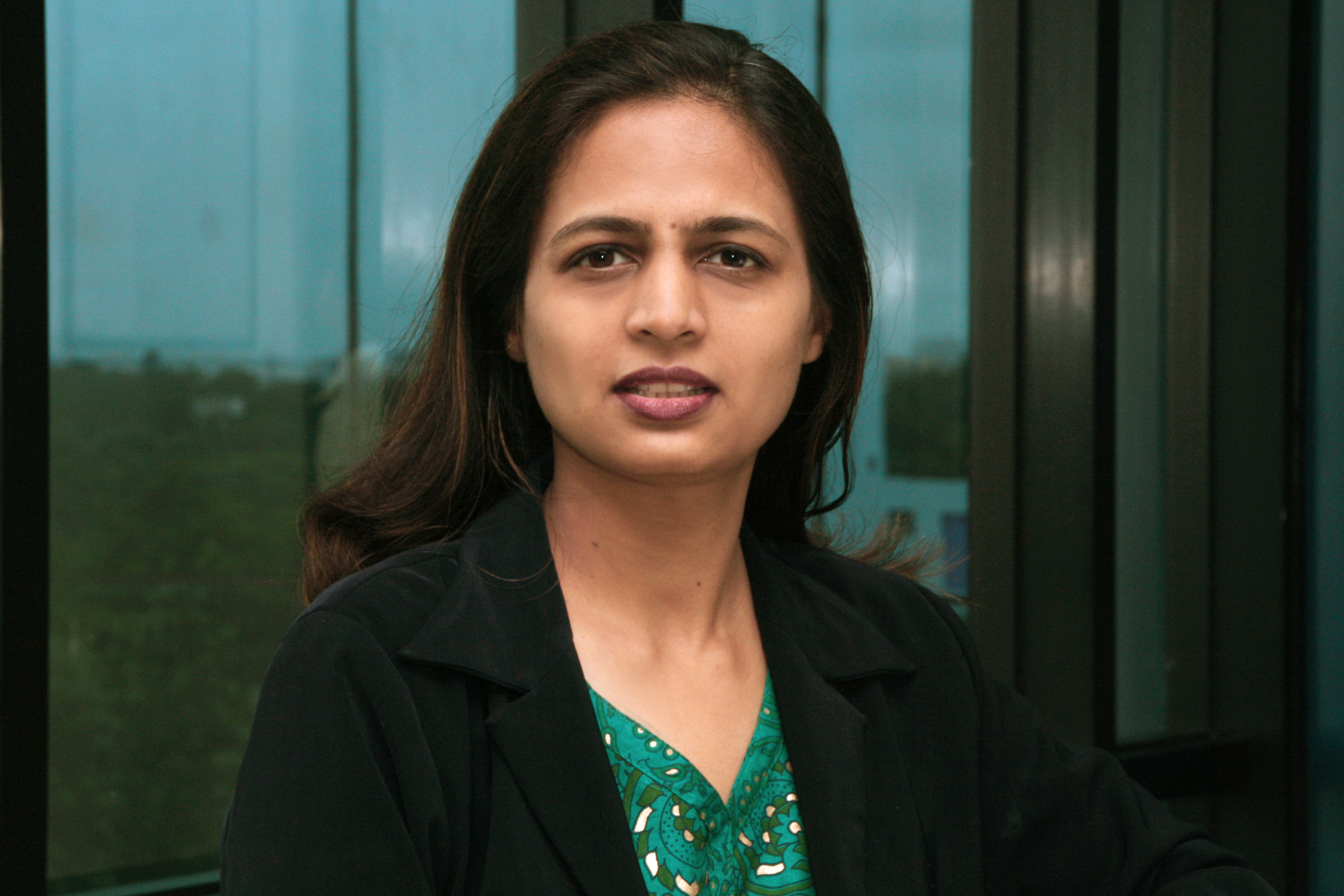
by Dr Jayashree Todkar
Part II

In the previous part, I mentioned my patient Priyanka Gupta (name changed), a 28-year-old suffering from severe emotional and physical troubles due to her obese condition, which had further wrecked havoc with her menstrual cycle and caused acute hirsuitness. She hadn’t had a regular period in a decade, and she had had to wax her facial hair every alternate day. Besides, she had to keep her face covered once she stepped out of her house.

I recommended that she undergo bariatric surgery to correct her condition. She decided to do it after a couple of visits, and she recuperated from the operation for two days. After this, she got back to her routine. But about two months after the surgery, she called me excitedly and said, “Dr Todkar, today for the first time in 10 years, I got my period without taking any medicines!” Elated that her body was indeed coming back to normal, she went on to say that her facial hair growth had also reduced, and that she needed to wax just once a week. She is doing very well now; her earlier problems have all but disappeared.

A surprising disease

Several people who come to me for treatment are surprised to discover that they have diabetes, or pre-diabetic symptoms. Also, apart from the embarrassment of having excess weight, young obese people, especially, struggle with sexual disorders – there is little to no desire for sex, their sexual performance is low, and on the other end of the scale, there may be infertility, a few cancers, the development of opposite-sex characteristics, and so on. The disease can cause severe inferiority complexes, cause trouble in personal relationships, and it is a major cause of depression among the youth.

While men’s testosterone levels may dip, women may struggle to conceive naturally, and even an IVF-assisted pregnancy may not carry for the full term. Several pregnant obese women develop gestational diabetes, high blood pressure and other factors that lead to miscarriages.

The cure

– Accept that obesity is a disease, and should be treated like one. Being in denial will only delay the treatment process.

– Understand that the disorders you are suffering from – PCOS, PCOD, respiratory problems, diabetes, obstructive sleep apnea – may not be isolated incidents, but may be linked to obesity.

– Consult a good surgeon to explore options to improve metabolism, and this includes bariatric surgery. Do this before you make exercise and diet plans. Some obese people’s metabolism is better than others, so they lose weight in the gym while others don’t. Once your metabolism is corrected, all exercise and diet efforts will yield better results.

– Discipline and diet are key to good recovery and maintaining good health after treatment. Once your health begins to improve, other things fall into place one by one – your looks will improve, your self-confidence will rise, you will want to rebuild your social life, and your performance in all spheres will improve.

– Above all, don’t lose hope. Seek a scientific solution to the problem, and don’t feel victimised by your condition. There are fantastic solutions available to treat obesity, you just have to seek help before it is too late.

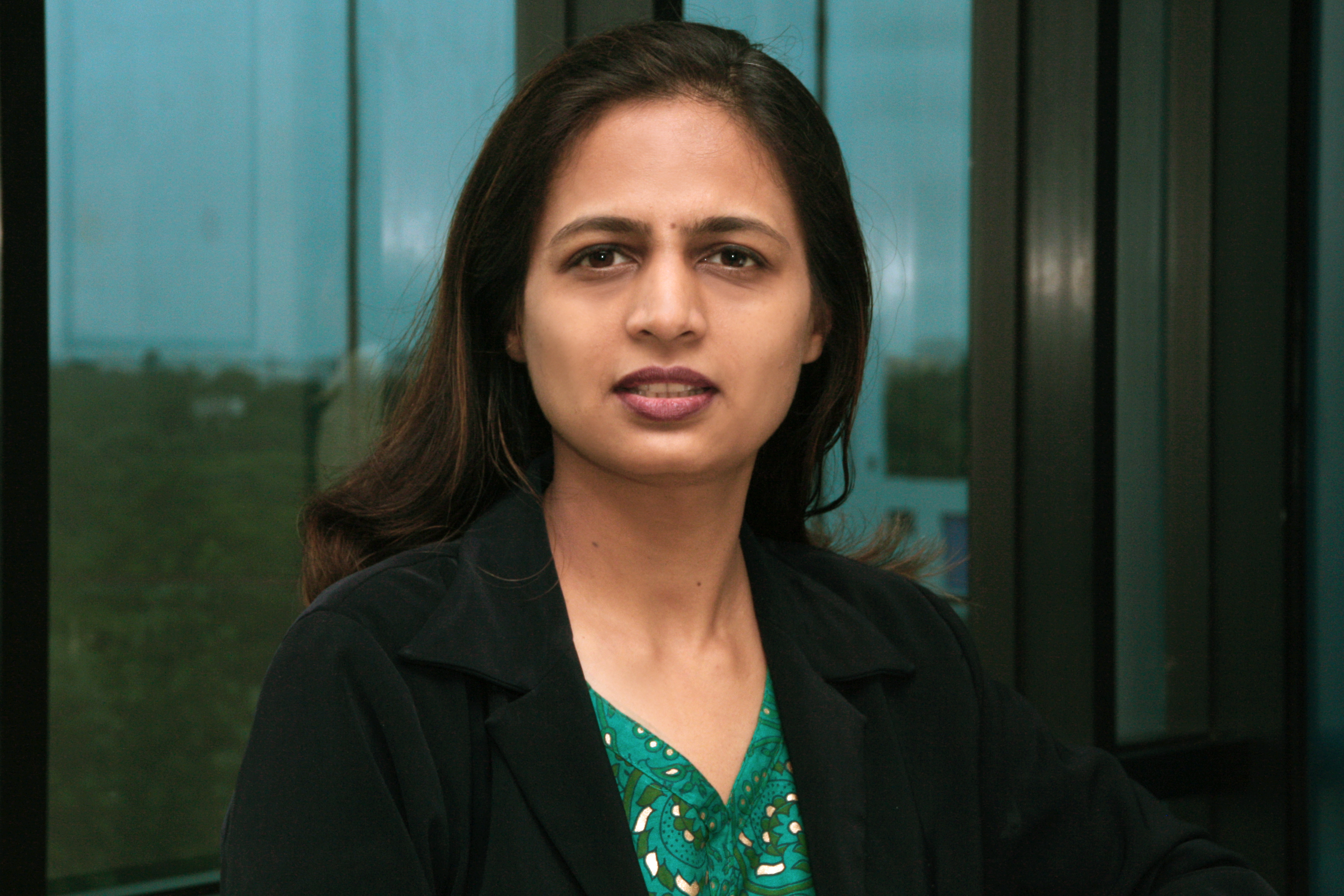
Dr Jayashree Todkar is visiting bariatric and laparoscopic surgeon, and Director of Obesity and Diabetes Care Center, Dr L H Hiranandani Hospital, Powai. She holds the distinction of being the first female bariatric surgeon in India.  
Categories
Places

Monkey see, monkey do

Going to a tourist spot in the off-season? You deserve everything – rough roads and monkeys – coming your way.
by Vrushali Lad | vrushali@themetrognome.in

There’s fairly little you can tell me about the road less travelled. Or rather, about roads that are less travelled in the off-season. Nobody in their right minds would go to a monsoon tourist attraction spot at the height of summer. They wouldn’t take less cash along and spend an evening undergoing enforced tourism, because your guide decided to take you on a scenic route to the nearest ATM 30 kilometres away.

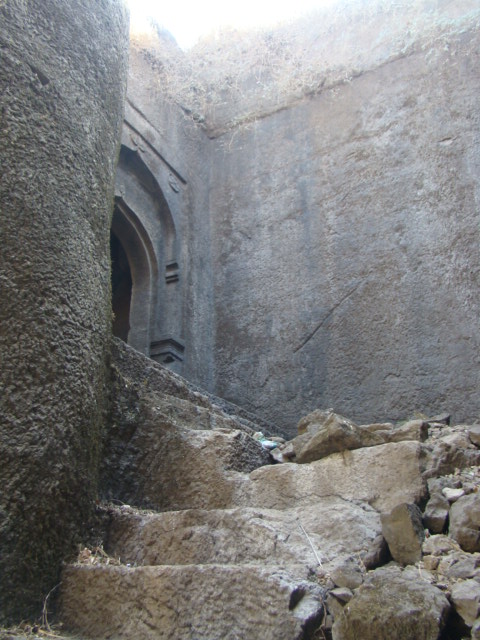
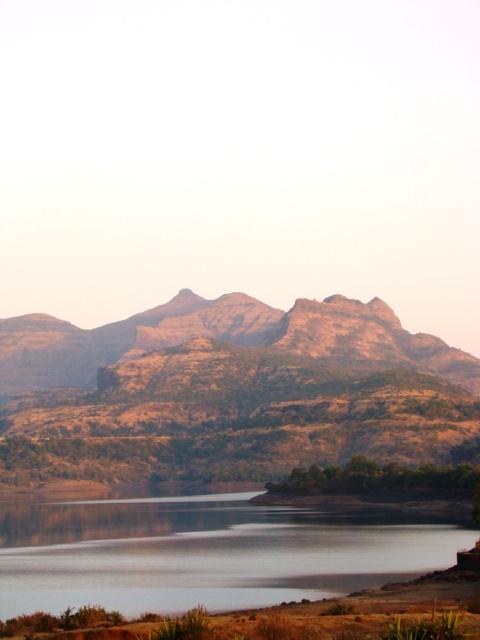
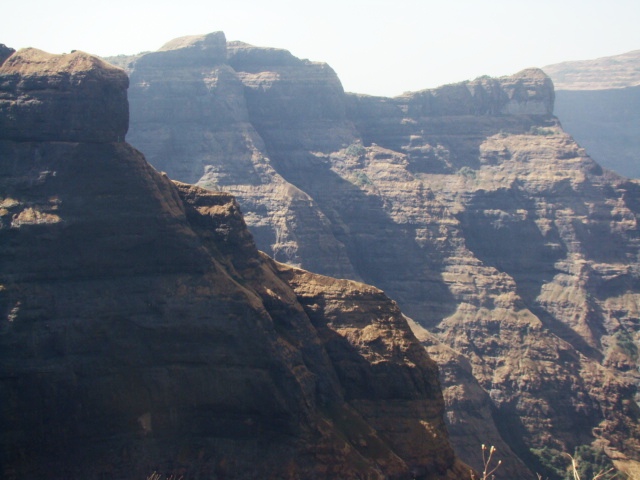
Plus, you wouldn’t go trekking on a mountain that is over 4,000 feet high and with increasingly difficult terrain in shoes whose soles let you know the presence of the smallest pebble underfoot. The Princess with the pea couldn’t have had a worse time of it on this trek than I did.

Anyhoo, and most importantly for those wishing to incorporate safety in their travel itinerary, ye hardy traveller would not mind roughing it up with the locals in a short jeep ride to Kasara from Shendigaon, Bhandardara. Note that I use the words ‘short’ and ‘roughing it up’ airily. If you were ever looking to travel cattle class, with a smelly local under each armpit and two more on your lap in a jeep always listing on your side of the vehicle, with frequent stops to let a few of the aforementioned locals scamper off the roof with their bags of cement and gas cylinders (I kid you not), please buy a ticket for Rs 30 and let everybody and everything pass you by. (Hot tip: Wear nose and ear plugs.)

Also, there is a fair chance of being attacked by monkeys on your trek. I was, atop Ratangad, when I was coming down a rickety metal ladder literally hanging in air 4,000 feet above sea level. Conceive my emotion when the husband and the guide kept urgently urging me to get down quickly, and on stealing a look at the gathering army very close to where I was a mere minute ago, one of the blasted animals was descending the ladder with me. You could knock me down with a monkey, it was that close. I made the trip down the ladder in relative safety, however, all the while trying to distract myself from the headlines racing through my head (‘Band of monkeys trips up stunning trekker’, OR ‘Braveheart tourist valiantly crosses monkey-infested mountain’).

Some tips if you’re headed that way:

– If you’re going in the off-season, you can get some of the rates knocked off on sightseeing and accomodation.

– If you’re going from Mumbai and must take the train, I suggest the Bhagalpur Express that starts at 7.30 am from Kurla that will drop you off at Igatpuri in two hours. Outside Igatpuri, an ST bus will take you to Shendigaon, if you’re stopping by at the MTDC or one of the actual resorts there.

– A better idea, which we discovered on the journey back, is to take the local to Kasara from Dadar or CST. From Kasara, take a jeep ride (Rs 30 per seat or more if you book all the front seats next to the driver) to Shendigaon.

– Carry sturdy shoes, a walking stick, loads of sunscreen and bottled water on your trek.

– The local version of haggling includes adding Rs 500 to everything. The trek cost us Rs 600. It’s worth it, but don’t add more to this sum, since the guide will probably have lunch with you and share your water and toffees and chikki. There are not many interesting points to see. Two days of stay was more than my constitution could stand.

– A good idea is to go to the place in the monsoon, when you carry out your trek next to and through gushing rivers, or when the dam is full and your car actually drives through the dam waters. But if that’s not your scene, try for winter. It does get seriously cold, though, so carry your winter woollies.

– And lastly, be safe. The roads are nothing to write home or anywhere else about, and don’t go about walking without a guide. There is wildlife in the region, such as cheetahs and wild hogs, and some birds too.

Do you have a hilarious travel account to relate? Write to thetraveller@themetrognome.in with your experience and we would love to feature your story. 

Categories
Big story

Malnourished in Mumbai

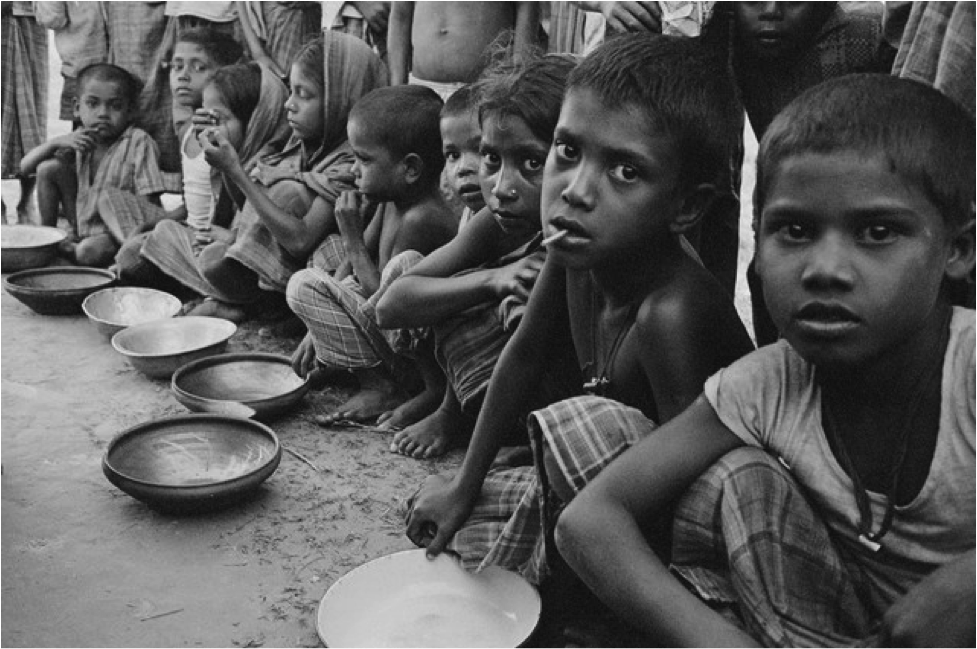
Severely underweight children in the city’s slum pockets in Shivajinagar, Dharavi and Mankhurd add to the already dismal malnourishment figures.
by The Editors | editor@themetrognome.in

For long, we’ve considered malnutrition to be a rural problem, far removed from the complexities of urban life. So it comes as a bit of a shock to know that, despite the government’s assurances of working on curbing malnutrition, an urban centre like Mumbai has over 4,500 children falling under the malnourished category. What’s more, Mumbai ranks higher than other urban centres in the state with regards to percentage of malnourished children.

As per the latest government figures for June 2012, released by the Integrated Child Development Services (ICDS) Scheme, which is set up under the Women and Child Welfare Development, Government of Maharashtra, out of a total 2,50,662 children weighed across the ICDS’ aanganwadi network in Mumbai, 4,648 children are severely underweight. The highest numbers come from Shivajinagar, where 511 out of a total 19,152 children surveyed were severely underweight, followed by Kanjurmarg (236 out of 12,122), Mahim, (277 out of 15,456), Andheri-3 (225 out of 12,398) and Mankhurd (192 out of 15,119).

It must be noted that the ICDS has not yet achieved 100 per cent coverage in Mumbai, and the figures disclosed through the June 2012 report may be only a part of the actual figures. Naturally, this means that these figures are indicative of only those children enrolled in the government outreach programme.

The ICDS’ main aim is to improve the health status of children in the age group of zero to 6 years. The aanganwadis are set up in slum pockets to monitor children as well as expectant and new mothers. A report is compiled for all aanganwadi reach and results, apart from data culled from local NGOs. An official from the Women and Child Welfare Department, Government of Maharashtra, said that there was actually an improvement in the figures. “If you compare the figures for June 2011 with the figures culled in June this year, you will see that there is a 10 per cent improvement, in the sense that there is a 10 per cent increase in the numbers of ‘normal’ children weighed,” he told The Metrognome.

Meanwhile, an official from the Rajmata Jijau Mother-Child Health and Nutrition Mission, which takes stock of the ICDS figures and monitors the progress in the affected areas, told The Metrognome, “We visited the Shivajinagar area because the maximum number of severely underweight children were found there. There are a number of reasons for the high incidence in this category – the slums are in the worst condition, there is inadequate sanitation, the water lines are adjacent to gutters, there is no system to remove wastes. Plus, there is a huge migrant population residing there, with their own set of problems – no documentation and little awareness of health and hygiene. We did a micro-project there for five days to determine how to tackle the issue better,” he said.

A major roadblock to immediately treating the children in the moderately underweight to the more ‘dangerous’ severely underweight category, he added, is that the Centre’s funds for malnourished children are earmarked for rural areas and not urban pockets. “However, we have approached private companies who have agreed to help certain pockets which require intervention. Also, we will be setting up centres at Shivajinagar, Dharavi and Mankhurd, the training for which has already taken place. Also, after April 1 next year, the Centre has decided to release funds for urban areas as well, so that should make things easier.”

What do you think the government should do to reduce and eliminate malnutrition from the city? Write in with your views to the editor@themetrognome.in and we will forward them to the Women and Child Welfare Department, Government of Maharashtra.

(Picture courtesy: www.footprintsworld.com)


Categories
Trends

Inflation hits spending. Hard.

Middle income groups slash their spending by 65 per cent to manage their monthly household budgets, and to buy necessities.
By The Diarist | thediarist@themetrognome.in

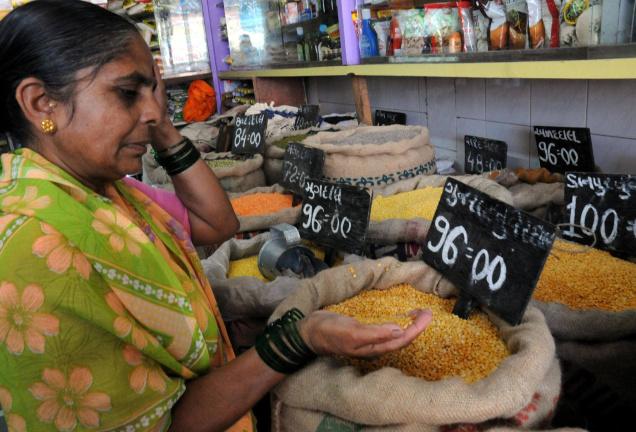
Rising inflation has dented our household budgets, and how – Associated Chamber of Commerce (ASSOCHAM) contends that the country’s middle and lower income groups have cut their spending by a whopping 65 per cent, on such heads as entertainment, vacations, electronics, real estate, automobiles, shopping, and eating out. ASSOCHAM reveals that the middle income groups, especially, are curtailing spending to be able to finance their children’s education and run their homes well, both of which are eating into their savings.

The survey was conducted over a period of two months, beginning March to April 2012 in major metros and cities like Delhi, Mumbai, Kolkata, Chennai, Ahmedabad, Hyderabad, Pune, Chandigarh, and Dehradun. A little over 200 employees were selected from each city, on an average. The report reads, “Delhi ranks first in curtailing their expenses, followed by Mumbai (at no. 2), Ahmedabad (at no. 3) Chandigarh (4), Kolkata (5), Chennai (6) and Dehradun (7), says DS Rawat, Secretary General ASSOCHAM.”

Key findings from the survey:

– Many middle income and lower income groups indicated that they are finding ways to cut back spending now or indicating they will do so in the future. Around 69 per cent of the respondents have cut down on their saving rate.

– Nearly half of the middle income group either avoid shopping altogether, or shop only for those things that are absolutely needed. Moreover, 76 per cent said that their shopping has been restricted to only necessities.

– About 88 per cent of respondents said that they have cut back on everyday expenses. They save money by avoiding outside food, car-pooling, cutting down on gas and use of electricity.

– Inflation has also impacted the urban male and females’ personal expenses.  The urban male used to spend Rs 500 to Rs 2,000 per month on drinks, cigarettes, gutkha, paan etc. which has come down by 20 per cent due to upward inflation. On the other hand, urban women now spend around Rs 500 to Rs 1000 per month on cosmetics and beauty treatments, which was earlier pegged at Rs 1,500 to Rs 2,000.

– One in four said they are going to try to increase their income to try to stay financially afloat, such as switching to a better-paid job, taking a second job option or working overtime hours.

(All figures are sourced from ASSOCHAM. Picture courtesy www.divdevarkhyani.blogspot.com)

Categories
Wellness

Fat. So?

A two-part series that looks at what obesity is doing to young Mumbai, and how to get help in time.
by Dr Jayashree Todkar

Part I

Obesity is striking the young much more than it used to. Today, I am constantly counselling and treating men and women in the 20 to 30 age group, and they are wishing to be treated for a variety of disorders and diseases stemming from obesity or increased weight gain. This age group is the most ‘active’ age group – socially and sexually – but it also the age group that is increasingly sedentary in its lifestyle. Eating the wrong kind of food, little to no exercise, rising amounts of stress, not seeing a doctor for niggling ailments on time – all of these are contributing to the problem.

Obese people also do not link their condition with other things like infertility and diabetes, but there is enough evidence to show that obesity does cause hormonal imbalances, thereby leading to infertility and some cancers, both in men and women.

In women, especially, the incidence of Polycistic Ovary Syndrome (PCOS) is steadily going up, and several times, the reason is linked to obesity. We feel that obesity only manifests itself in weight gain, but the other physical and psychological impacts it has on the sufferer are complex and immense. For instance, several of my patients who suffer from PCOS take medications to get their menstrual periods on track. Once the medication is taken and the period arrives, they feel they have been cured. But stop the medication, and the problem resurfaces. A woman suffering like this has a harrowing time trying to conceive or take the pregnancy to term. Several times, pregnancy becomes impossible without IVF intervention.

The ovaries are amongst the first to show signs of hormonal distress. Irregular periods are a sign of a lack of healthy egg production; eggs are not fertilised naturally and hence, medications help to fertilise them artificially. I have seen young women show symptoms like highly irregular periods, scanty periods (where the period ends in a day), pre-diabetic conditions and worse, developing sexual characteristics of the opposite sex, such as hirsuitism. In young men, these characteristics could be a large enlargement of breasts (commonly referred to as ‘man boobs’) and deposition of fat around the penis. Men also experience decreased levels of testosterone.

Priyanka Gupta (name changed) called my clinic a few months ago, wanting to meet me but hesitating to come to my clinic. I agreed to meet her at a hotel. When she arrived, her face was entirely draped by a scarf. When she took the scarf off, I had tears in my eyes – her face was very hairy and she needed to wax it every alternate day. She was 28 years old, and her condition had primarily beaten her self-confidence, she couldn’t control her weight, and she hadn’t had a period in 10 years without popping pills. A month after undergoing treatment with me, she called to say that she had had her first period in 10 years without taking medication. Also, her facial hair growth had reduced quite a lot.

Next: How was Priyanka cured? Do you think your health problems could be linked to obesity? Find out in the concluding part of this series, tomorrow.

Dr Jayashree Todkar is visiting bariatric and laparoscopic surgeon, and Director of Obesity and Diabetes Care Centre, Dr L H Hiranandani Hospital, Powai. She holds the distinction of being the first female bariatric surgeon in India.   

Categories
Become

‘Masterchef Australia is great for housewives’

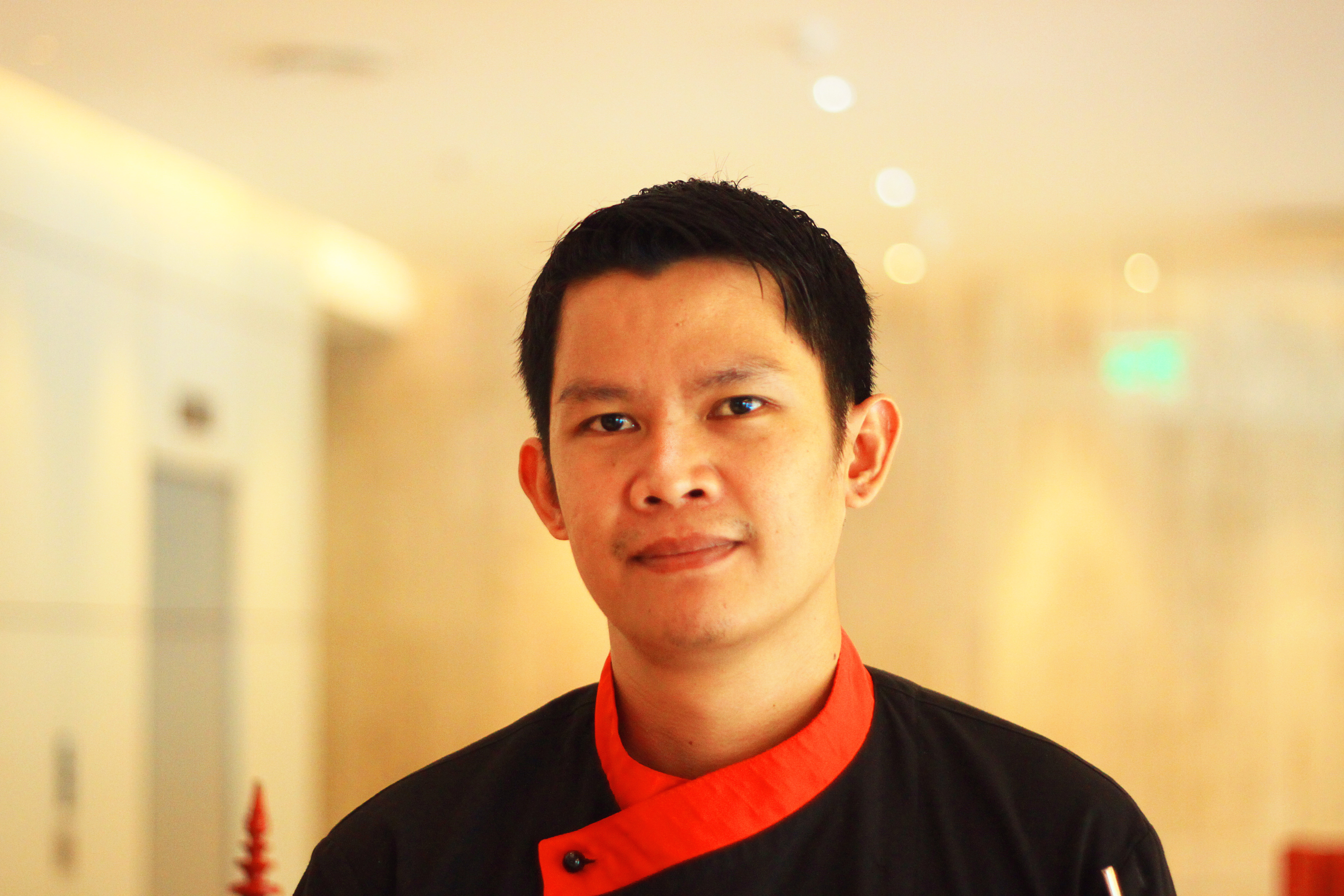
…because it teaches the basics, says chef Phongthorn Hinracha, who’s recently started working at the Red Zen, Courtyard by Marriott.
by The Editors | editor@themetrognome.in

He admits to a torrid love affair with food, adding that people are becoming careful about the nutritive value of what they’re putting into their mouths. The executive sous chef at pan Asian restaurant Red Zen has had an illustrious career backing his foray on Indian shores – he has worked with Parisa Resorts in Phuket, Thailand as the executive sous chef, and in some of the finest hotels such as Meritus Pelangi Beach Resort (Malaysia), Koyao Island Resort and Spa Phang-Nga (Thailand) and IOI Palm Garden Hotel (Kuala Lampur). He began his career with the Kohchand Grand Lagoona Resort in Thailand as a sous chef.

In his own words, the famous chef talks about his food journey, retaining the taste of India and what aspiring chefs must do if they have a food dream.

What is your earliest fond memory of food?

My mom’s steamed fish. I remember [the first time] when mom had cooked it, when I was back from fishing. It is eaten with ginger and soya sauce. The dish has a very natural taste of fresh fish. The sauce used is locally made, not factory made. Even now when I go to back to Thailand, I ask my mom to make it for me.

What was the first dish you ever cooked? Whose recipe was it?

Thai omelette is the first dish I ever cooked. It contains fish sauce, meat and pepper. It goes well with rice. Singles in Thailand generally cook such food. [When I cook it now] I like to improvise by adding some curry paste and basil.

Please describe the moment when you decided that food was your calling, and that you wanted to make a career in food.

My family is very involved in every aspect of food. Many of my family members are chefs. There are some perceptions about adult life that are created during childhood, for instance, when a person grows up he has to work, or has to get married, or simply that a person has to become tall! Because of my family’s involvement in food, I had the perception that when I grow up, I have to become a chef. Hence I started working and helping my dad in his restaurant business since the age of 10. My passion started increasing every day, seeing people getting happy eating food. My creativity started developing. At the age of 16 or 17, I asked myself, ‘Is this what I want?’, and do you know what the answer was? The answer was, ‘This is not a want, but an involuntary need just like eating food, or the heart beating or breathing’.

Tell us what your favourite cuisine is.

Chinese is my favourite cuisine. It’s again because of my family. I’ve been eating Chinese food since childhood. I like it may be since I’m habituated [to it]. It has a real taste of fresh ingredients. The taste is very clear, with no complexity.

What was your first job like? For how long did you work there?

If you’re asking [about] my first paid job, then it was at the age of 17 at the Marina Hotel. I was a kitchen apprentice. My father’s friend was an executive chef there. I worked there for six months. But I’ve been working and helping my father in his restaurant business since the age of 10.

What differences do you see in the food industry from the time you started out, and now?

When I started off, people loved to eat food that was great in taste. But now, people care about healthy food. They worry about the intake of calories, carbs, proteins, vitamins etc.

Have you ever worked in India before? What has your experience been like till now?

No, this is my first ever visit to India. It’s been a great experience with [a] new culture. I used to never eat Indian food earlier. Now, I’ve started eating Indian food, especially butter chicken and chicken tikka masala with garlic naan.

Coming to work in India, with its defined palate of spices and flavours, have you had to do things differently since you came here?

I have preserved the authenticity of the food, except when my guests request me to adjust the food to their tastes.

What qualities should a sous chef possess?

The ability to judge the quality of food, extremely high levels of hygiene and proper planning are the three keys to being a good sous chef. (In his current role, amongst other things, chef Hinracha is involved in preparing menus and designing daily specials as required. He is responsible for the quality of the food, hygiene matters and monitoring the kitchen.)

Please describe how a person can set up his/her own restaurant. What are the skills, technology, knowledge, funding required? How did you plan the setting up and opening of your own restaurant?

Not anyone can open and run a successful restaurant. Budget planning, location setting, equipment selection, manpower hiring, marketing, know-hows of current trends of that area are all necessary, and if he possesses cooking skills,  it’s an added advantage. Service skills are also very important. I planned my restaurant in the same way. During the operating hours, I don’t be in the kitchen, but instead I be in the guest area. I get regular customers by chatting with them.

What is your opinion of the various cooking shows on television these days? Even non-cooks are interested in shows like Masterchef Australia.

These shows are very helpful for housewives. They show a good amount of the basic skills required for cooking. It’s a stage for inspiration.

How can one build on a new trend in the food industry? Also, how can one start their own trend in the food world?

People should keep a tab on food science. News [about and] from food science helps a lot. Earlier not many people drank green tea, but now a lot of them do drink it. Also, once you become  a celeb chef, then it’s easier to start your own trend as celebs will start talking about your food.

Do you wish you had done a few things differently in the beginning of your career? What would you do differently?

Due to my passion for food, I started working at a very early age. I had a romantic relationship with food. I wished I had completed my degree. May be it could have helped me.

What is your advice to aspiring chefs in India?

Taste a lot. Read a lot and make sure the food trends around you, you jot!

Chef Hinracha owns Maha Sarakham, a restaurant 300 kilometres from Bangkok. He has won many carving competitions in Phuket. His culinary flair earned him the sixth place in the Best Asian Chef category at the Hospitality Asian Platinum Awards 2010-2011 held in Malaysia. He has also participated in the series, ‘Thai Ultimate Chef Challenge 2011-2012’ held in Bangkok. When he’s not cooking, he enjoys fishing, food photography and food carving.

Exit mobile version