Categories
Learn

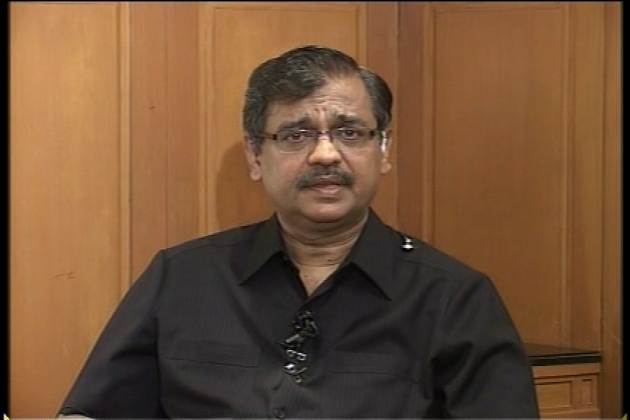
Nikam will get Rs 25,000 per result-oriented hearing in Jundal case

Prosecutor Ujjwal Nikam will also get other expenses, such as Rs 5,000 hotel stay and Rs 7,000 hourly consultation fees.

In recent times, Ujjwal Nikam has become the go-to man in high-profile legal cases. And why not, the man’s successfully argued for the State of Maharashtra v/s captured 26/11 terrorist Ajmal Kasab, who was given the death sentence by the Bombay High Court (and which was later upheld by the Supreme Court), apart from officiating as prosecutor in the 1993 Mumbai bomb blasts, the Pramod Mahajan murder trial and the Gulshan Kumar murder.

In a GR (Government Resolution) dated January 24, 2013, the Home Department of the State Government of Maharashtra said that while the State had appointed Nikam as the Special Public Prosecutor in the case against Indian Mujahideen’s Abu Jundal, it was also sanctioning official fees for Nikam to fight the case in court. Jundal is accused of being the Hindi tutor and handler of 10 Pakistani terrorists who carried out the 26/11 attacks in Mumbai – Ajmal Kasab was one of them.

In the GR, the Home Department has sanctioned result-oriented hearing fees will be Rs 25,000 (per hearing). Additionally, Nikam will also get Rs 7,000 per hour as consultation fees (discussion of the case and exchange of opinion) and Rs 5,000 per day as hotel and lodging expenses.

In 2011, the Home Department had sanctioned Rs 50,000 as result-oriented fees for Nikam, when the latter was appointed by the Government to fight for Kasab’s execution in the SC. At the time, his per hour consultation fees were Rs 10,000.

The GR further mentions that Nikam is not to be paid any fees on the days that no result-oriented hearing takes place in court.

Nikam’s most high-profile cases:

The 26/11 trial

Pramod Mahajan murder trial

Nadeem extradition case, London

Gateway of India blasts, 2003

Mumbai serial bomb blasts, 1994

Kherlanji Massacre, 2006

Marine Drive police chowky rape case, 2005

(Picture courtesy ibnlive.com)


Categories
Deal with it

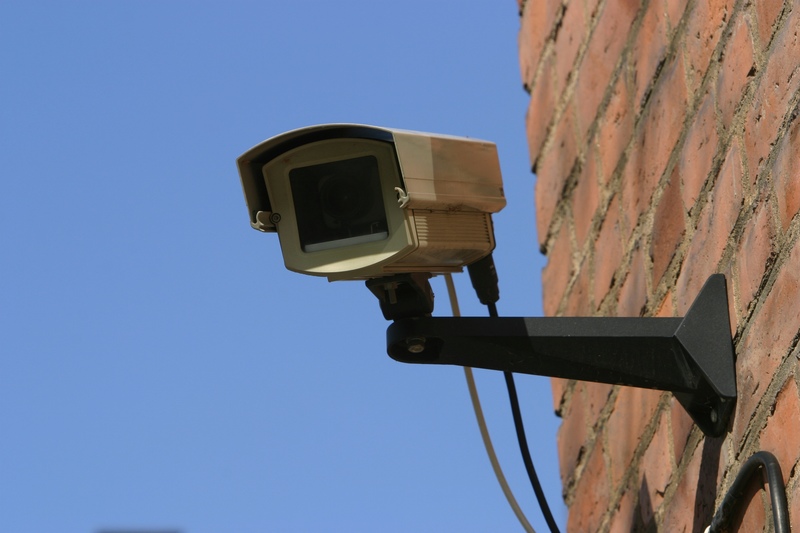
Delhi gang rape spurs purchases of CCTVs

Chinese CCTVs are imported the most; all metros and major cities in India figure in the just-released ASSOCHAM survey report.

A major news event can have off-shoots in several other places. Following the brutal gang rape and subsequent death of a 23-year-0ld medical student in Delhi last month, a survey reveals that the import and demand of Chinese closed circuit television (CCTV) and surveillance cameras have dramatically shot up.

According to a survey released by Associated Chamber of Commerce (ASSOCHAM) yesterday, which was carried out over a period of a month starting from December 20, 2012 and involved interactions with about 200 stakeholders in security (traders, manufacters, etc.), “Over half of the traders said that there is negligible manufacturing of CCTV cameras in the country and thus they import the same from countries like China, Taiwan, Malaysia, Israel and also from the US and Europe, as their products are not only cheap but these countries being leading hardware manufacturers, their products are based on latest technologies and thus are more preferred by the customers over domestically manufactured CCTVs.”

“The need for safety and security in almost every walk of life has fuelled an overwhelming demand for CCTV cameras and more so after the Munirka gang rape incident, as hostels, paying guest accommodations, hotels and places alike in cosmopolitan cities are installing surveillance gadgets to keep a check on the movements of both inhabitants and potential stalkers,” said DS Rawat, Secretary General, ASSOCHAM.

The survey was carried out in the metros of the country and big cities – Mumbai, Delhi-NCR, Bangalore, Kolkata, Chennai, Hyderabad, Kanpur, Lucknow and Pune, as these State capitals and cities comprise a large number of men and women “from various tier II, III cities, districts and rural areas in search of job opportunities, which also makes these centres prone to crime.”

A majority of respondents are said to have claimed that even most of the indigenous enterprises import all the components of surveillance equipment from abroad, assembling them and selling them under their brand names. In terms of sales, the Chinese CCTVs sell the most. “Respondents said their sales have increased by over 60 to 70 per cent during the course of last one month itself,” the survey says.

Lack of government support, absence of regulatory framework, large investments and outdated technology are key reasons holding back domestic electronic companies from venturing into the CCTV domain leading to increased dependence upon imported material, highlights ASSOCHAM. According to their analysis, the video surveillance and CCTV market in India is growing at a compounded annual growth rate of about 30 per cent, and is likely to cross Rs 2,200 crore by year 2015.

Asia accounts for nearly 35 per cent of the global CCTV market with a share of over Rs 27,000 crore.

The CCTV camera industry is set to emerge as a huge market in the next few years in wake of rising demands from sectors like the hospitality industry, services, healthcare, retail and transportation. Currently, parts of northern India account for maximum number of security installations, followed by west, south and east India.

(Picture courtesy 2mcctv.com)

Categories
Big story

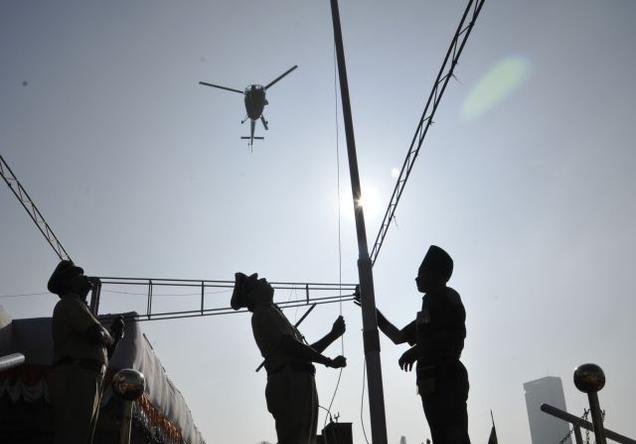
Cops will watch the skies on R-Day

No paragliders or other micro-aircraft can fly near or above Shivaji Park till noon on Saturday, Republic Day, this year. Anyone breaking this rule will be arrested.
by The Editors | editor@themetrognome.in

If all of us watch the skies, who will watch the land and the seas? Never mind that, the Mumbai Police seem to be saying. As per a directive issued from the office of the Deputy Commissioner of Police (Operations) KG Patil, a “breach of peace” is expected by terrorist or antisocial elements from the skies above the Shivaji Park (Dadar) area on Saturday, January 26, 2013.

Accordingly, no paragliders or remote controlled microlight aircraft will be allowed to fly in the jurisdiction of Mahim, Shivaji Park, Dadar and Worli police stations on that day.

An order issued today from Patil’s office reads, “On Republic Day 26/01/2013 at Shivaji Park, Dadar areas (sic) VIP, Army, Navy and Air Force officers, Consuls and citizens in large numbers come together for celebrating Republic Day, it is necessary that some checks should be put on activities around Shivaji Park area in Dadar, Mumbai, so that terrorist/anti-social elements may not attack through paragliders , remote controlled microlight aircraft (and) that immediate action is necessary for prevention of the same.”

This order is to remain in force from 6 am to noon of January 26, 2013.

(Picture courtesy thehindu.com)


Categories
Event

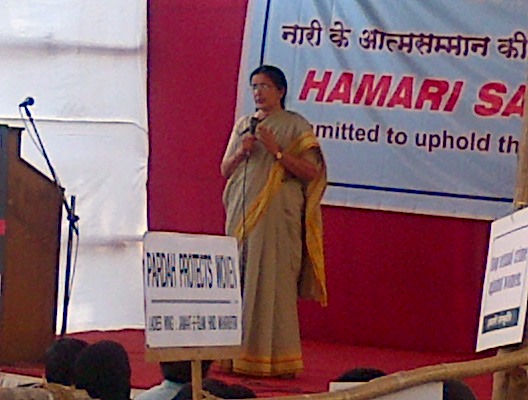
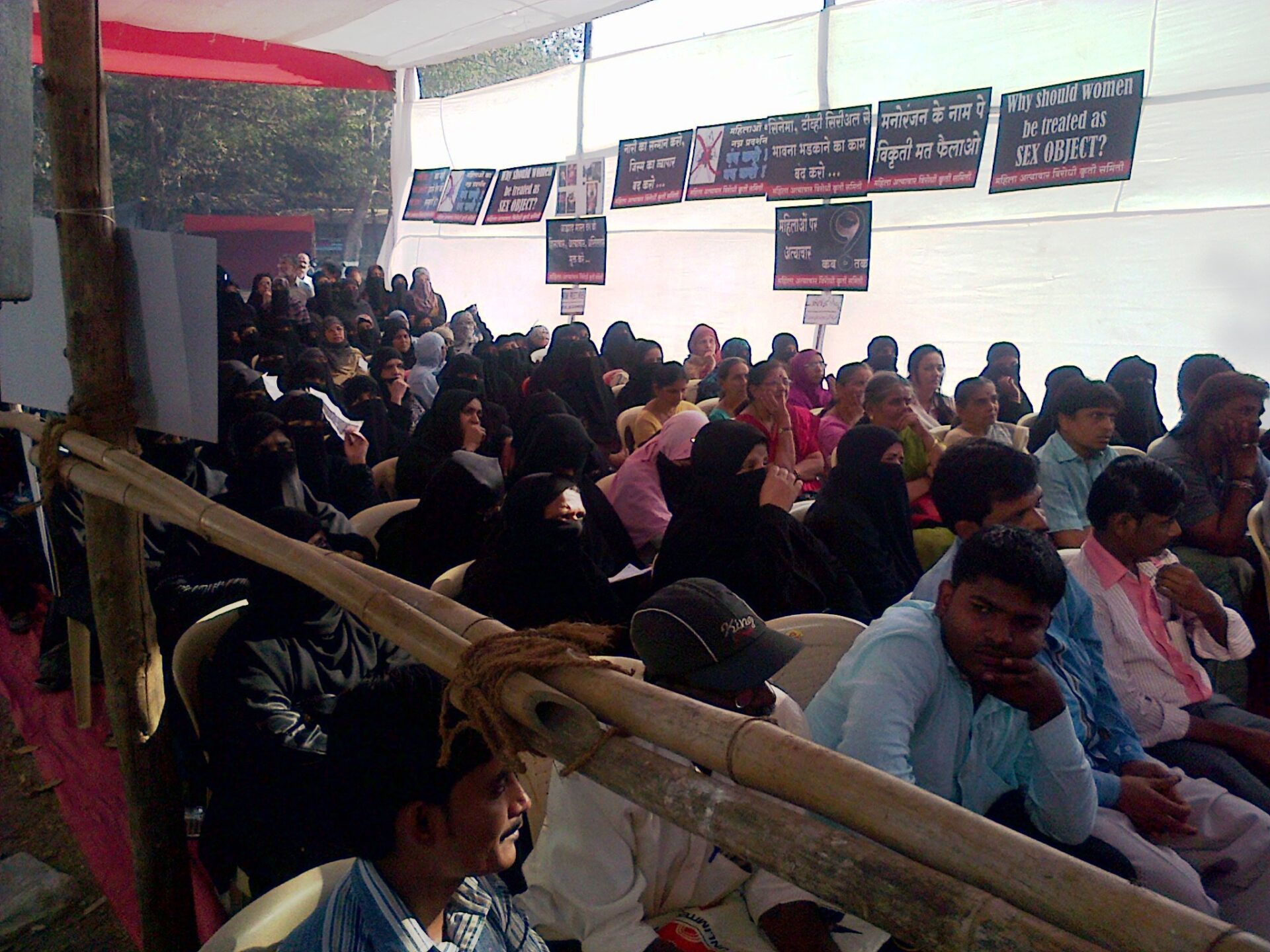
City NGO protests commodification of women

Demands quick redressal of sexual crime complaints; urges I&B Ministry to act against films, ads showing women as sex objects.
by Hamari Sanskriti

The public uproar and anger generated in the country due to the heinous rape and murder of the 23-year-old Delhi student compels us to introspect and find the possible reasons behind increasing sexual crimes against women. Though we speak about most of the reasons, we are not considering the root cause of the increasing incidents of sexual crimes – the portrayal of women as sex objects by the media.

One cannot deny the fact that the mass media is a very powerful and influential medium, and hence whenever an awareness campaign is started by the Government, whenever a public message is to be given to the masses, the civil society and NGOs, all  of them use the mass media. If the media can have a positive influence, then why are we not acknowledging that it may have a negative influence as well?

For example: addressing a woman as ‘Chikni Chameli’, songs like ‘Sheela ki jawani’ and lyrics like ‘Main tandoori murgi hoon yaar, gatka le mujhe alcohol se‘ and ‘Pallu ke niche chhipa ke rakha hai, dikha doon toh hungama ho‘ demean women and project them as sex objects. Such references to women, to parts of their bodies, certainly convey a lot about the intention of the creator of such content about the image of a woman. The gestures of dancers in such songs, and the lyrics, invite sexual aggression against women.
The posters of recent films like Jism 2 and Raaz 3 leave nothing to the imagination. Showing the naked body of a woman, with hands placed on her private parts, on huge hoardings in the middle of the roads, photographs of film sets printed on front page of the Bombay Times on December 12, 2012 showing Arshad Warsi holding Minissha Lamba’s breast, are shocking and are examples of the levels to which the entertainment industry can stoop to sell their films.

It will be foolish to believe that the poster of Matru Ki Bijlee Ka Mandola, in which a girl in micro shorts is pointing towards her buttocks with ‘Dekho Magar Pyar Se‘ written on her lower waist will not draw undue attention towards women on the road.

Be it films, advertisements, serials, newspaper photos, all of them are contributing in further demeaning women and commodifying their body. Such songs, advertisements, hoardings and posters, films and serials on television, are everywhere, in all media.

If such songs and scenes are not meant to titillate and arouse the viewer, then why are they created? Who are we displaying them for? How can songs like ‘DK Bose’ of Delhi Belly, or words like ‘Paincho’ of Matru Ki Bijlee Ka Mandola be suitable for a U/A audience? Is this what film producers want our children to say and learn? The way the name of one entertainment channel Bindass is written on BEST buses and hoardings is also objectionable, it is written with ‘B’ on one line, followed by ‘in’ on the next line and ‘d ass’ on the third line.

All the above examples are related to women, parts of the female figure or abuses and sexually suggestive words. With repeated hammering of the same, it is reflected in the behaviour and thought process of society. The entertainment media needs to be more responsible while portraying women in songs, films and advertisements.

Hence the staged a protest against such depictions, and made an effort to make the law-enforcers accountable for permitting such violations. We demand that there should be a regulatory body (comprising of psychologists, child counsellors, sociologists, teachers, parents, eminent lawyers, representatives from print, electronic media and film-makers), which has punitive powers to which we can complain and get a redressal for grievances. Immediate action should be taken against the violators of laws.

We would boycott all films and film/television stars who depict women on a demeaning manner or treat them as sex objects. The I&B Ministry being the ultimate authority for enforcing the various laws in the print and electronic medium cannot shirk its responsibility towards society. So we urge you to take immediate steps to ensure that henceforth no advertisement or film in the media treats women in a derogatory manner or as sex objects.

We also demand that those committing sexual crimes against women and children must be given stringent punishments and such cases be sent to fast track courts, with a time limit of maximum six months to deliver the judgment.

 

Categories
Big story

Theatre owners will not be charged more entertainment duty

State rolls back decision to charge theatres more duty if they priced tickets higher during weekends and for blockbuster releases.
by The Editors | editor@themetrognome.in

Last week, the State Government of Maharashtra had proposed a policy wherein it would charge theatres more entertainment duty for film tickets that were priced higher during weekends and holidays. It meant that the higher the ticket price, the higher the duty paid to the Government.

In a cabinet meeting today, this decision was rolled back.

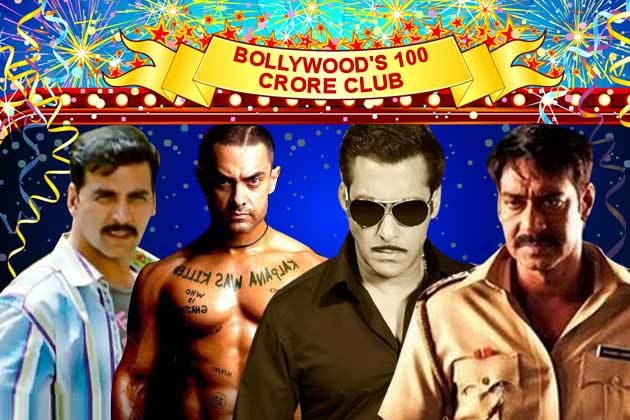
It was widely discussed earlier that the proposal would help the Government earn substantial sums to encash on the ‘100-crore club’ that most major releases of such stars as the Khans, for example, normally come under. However, the increased duty would be charged only on tickets charged over Rs 250 per ticket.

The proposal had originally come from the Revenue Department, which had prepared a note that mentioned that reports of brisk business of new films, to the tune of Rs 30 crore on a single day (for a film such as Ek Tha Tiger, for example) could not be possible without tickets being priced higher than their normal rates. If the new policy had been implemented, theatre owners would have to work out a system wherein booking of tickets would be fully computerised so that the ticket sales could be recorded.

Some newspaper reports mentioned that the State earned upwards of Rs 87 crore from multiplexes and Rs 108.16 crore from single screen theatres in the last financial year.

100 per cent hike in service tax for single screens

In the cabinet meeting today, the State decided that single screen theatres’ development in the rural areas be given a boost by not imposing any entertainment tax on them for a period of seven years. Also, the State will now allow service tax per ticket to be increased from Rs 6.50 per ticket to Rs 14 for single screen theatres, provided they computerise their booking system and provide central air-conditioning for the patrons. This decision applies to all single screen theatres across the State; it simply means that tickets will now cost higher in single screen theatres.

(Picture courtesy ibnlive.com)

Categories
Guest writer

Back from Bharat bhraman

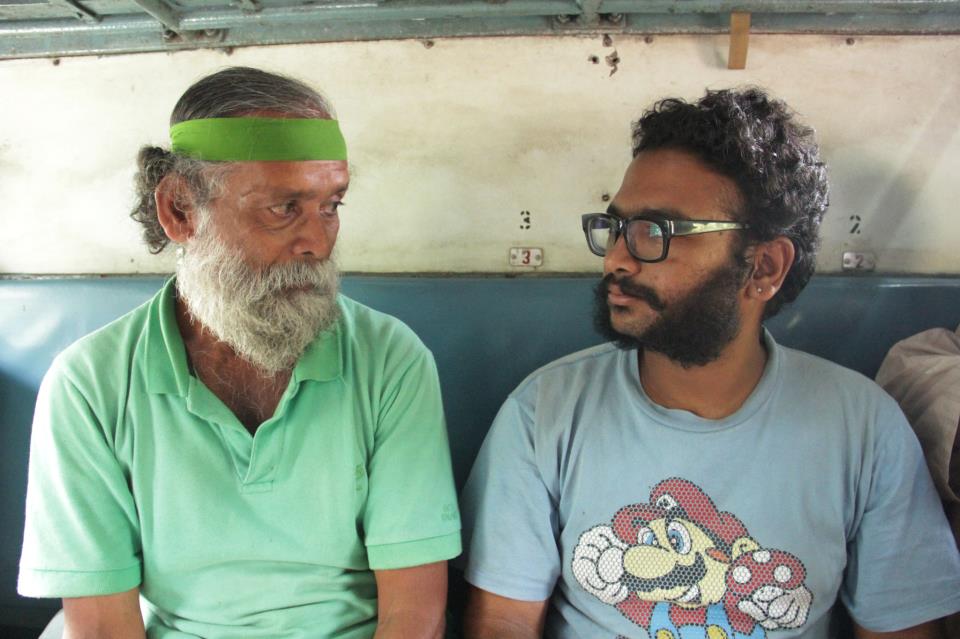
Two Mumbai men toured India, wishing to plant trees in all 35 States and UTs. Hari Chakyar tells the story.
by Hari Chakyar

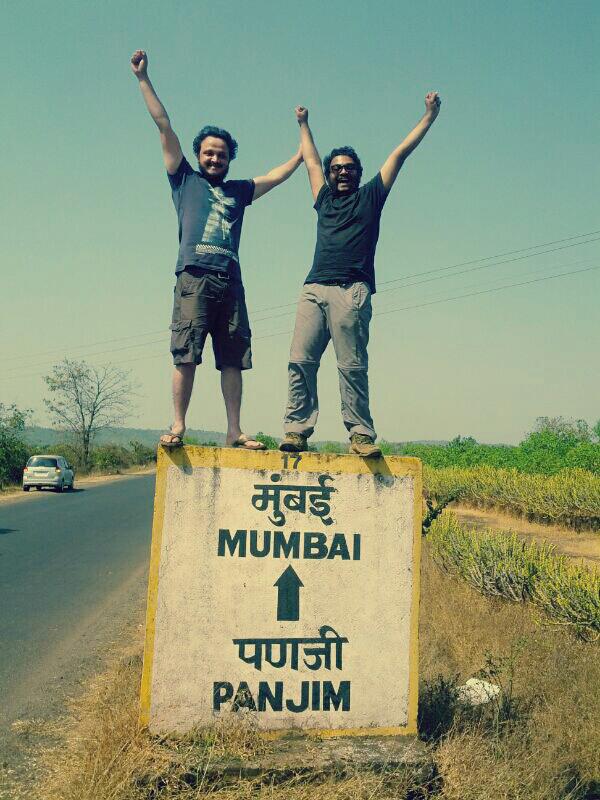
It’s been two days since we got back from our ‘Bharat bhraman’ (the duo were out on their pet project, Project 35 Trees). I have been treating my weary traveller’s stomach to some ma ke haath ka khaana and sleeping in my own bed. It feels good to be back.

When we set out on October 10, 2012, the dream was to plant trees in all the 35 States and Union Territories of India and to encourage young Indians to do the same. Now, almost four months later, we are happy to announce that we have managed to do that in 32 states and Union Territories. The three that are left are Mumbai, Arunachal Pradesh and Lakshadweep.

We’ll do the Mumbai leg of the session soon. Plus, we’ll identify locations and guardians and plant a lot of trees in Mumbai and Pune.

We tried going to Arunachal Pradesh twice but both plans got squashed thanks to the Arunachal Pradesh Students Union elections. No host, no rooms in hotels or lodges, struck up public transport systems and no contact person; it didn’t seem like a risk we could take with expensive crowd-funded and crowd-sourced equipment.

The next ship to the archipelago of Lakshadweep leaves on February 27… that i,s if you take the tourism department’s package. Alternatively, if someone from the island invites you over with an attested letter that goes to the administrative office in Kochi, you can go on an official visit. We had neither the invite nor the time to wait till the next ship. Even if we did, there is no way one can break away from the package and do their own thing. One can take a flight to Lakshadweep too but would you really spend 17,000 rupees per head one way if you were us? We decided we would rather plant trees worth that much in places that need them the most.

Technically, we did not achieve what we had set out to do but then we feel we’ve got a lot more done. We feel fitter, probably from the regular routine of lugging heavy bags around. We’ve greater respect for time…we realise there is so much to do in life but there’s so little time. We met a lot of amazing people who are doing amazing work. We saw the country we call our own on every Republic Day and Independence Day, but which we had never seen with our own eyes. We heard languages never heard before and vowed to return when we could speak some of them.

We loved every moment of it. Now, while I can sit back and think of the amazing India tour, Anthony and team will be working on the film part of the project.

Honestly, I can’t wait to do this again!

Hari Chakyar and Anthony Karbhari left on their tour, which they call Project 35 Trees, on October 10, 2012. Read about the project here.

(Pictures courtesy Hari Chakyar)

Exit mobile version