Categories
Wellness

Take steps to control diabetes

Diabetes is the fastest growing long term disease that affects millions of people worldwide. Here’s how you recognise the symptoms.
by Deepa Mistry

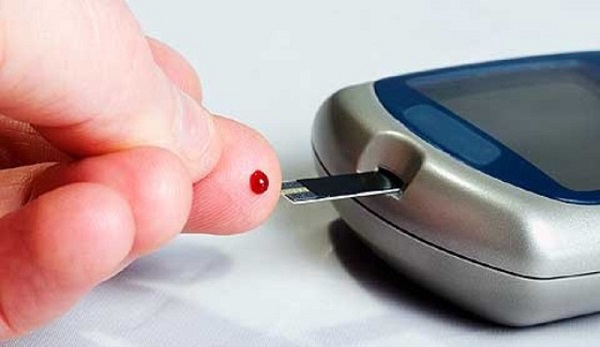
Diabetes is a condition where the amount of glucose in your blood is too high because the body cannot process it properly. This is because your pancreas does not produce any insulin, or not enough, to help glucose enter your body’s cells – or the insulin that is produced does not work properly (known as insulin resistance). The term diabetes is the shortened version of the full name ‘diabetes mellitus’.

‘Diabetes mellitus’ is derived from the Greek word ‘diabetes’ meaning ‘siphon’ – to pass through and the Latin word ‘mellitus’ meaning ‘honeyed’ or ‘sweet’. This is because in diabetes, excess sugar is found in the blood as well as in the urine. It was known in the 17th century as the “pissing evil”.
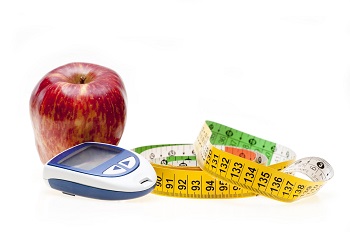
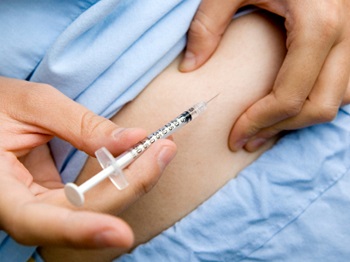
diabetes careThere are two types of diabetes – Type 1 and type 2. Type 1 diabetes is called insulin-dependent diabetes mellitus and occurs at a younger age or childhood. In these patients there is complete lack of the hormone insulin that mandates external administration of the hormone regularly as treatment. Worryingly, many patients around the world and in our country are increasingly finding themselves in this category. Around 75 per cent of sufferers have type 2 diabetes mellitus. The reasons for this are poor nutrition, rising stress levels, an improper metabolism and lack of fitness.

Studies show diabetes is classed as a metabolism disorder. Metabolism refers to the way our bodies use digested food for energy and growth. Diabetes specialist Dr Runwal says, “Even though it is caused due to various reasons, one being hereditary, but the changing lifestyles and stressful lives that youngsters live in results in most of the patients being aged 25 and above are being detected with it at such an early age. It’s very essential to follow a healthy diet and exercising daily is a must. Diabetes is linked with many complications and people who suffer from it must be very careful with their eating and drinking habits.”

Type 2 diabetes was earlier termed non-insulin dependent diabetes mellitus (NIDDM) or maturity-onset diabetes mellitus. In this, not enough insulin is produced or the insulin that is made by the body is insufficient to meet the needs of the body. Obesity or being overweight predisposes to type 2 diabetes. Gestational diabetes occurs in pregnant women who have never had the disease before but who have high blood sugar levels during pregnancy. Gestational diabetes affects about 4 per cent of all pregnant women. After childbirth the mother may go on to develop type 2 diabetes.

The problem with the disease is that it causes complications in other parts of the body.

  • Eye complications – glaucoma, cataracts, diabetic retinopathy.
  • Foot complications – neuropathy, ulcers, and sometimes gangrene which may require the foot to be amputated.diabetes mellitus
  • Skin complications – people with diabetes are more susceptible to skin infections and skin disorders
  • Heart problems – such as ischemic heart disease, when the blood supply to the heart muscle is diminished
  • Hypertension – common in people with the disease, which can raise the risk of kidney disease, eye problems, heart attack and stroke.
  • Mental health – uncontrolled diabetes raises the risk of suffering from depression, anxiety and some other mental disorders
  • Hearing loss – patients have a higher risk of developing hearing problems
  • Gum disease – there is a much higher prevalence of gum disease among diabetes patients
  • Gastroparesis – the muscles of the stomach stop working properly
  • Neuropathy – diabetic neuropathy is a type of nerve damage which can lead to several different problems.
  • Nephropathy – uncontrolled blood pressure can lead to kidney disease
  • PAD (peripheral arterial disease) – symptoms may include pain in the leg, tingling and sometimes problems walking properly
  • Stroke – if blood pressure, cholesterol levels, and blood glucose levels are not controlled, the risk of stroke increases significantly
  • Erectile dysfunction – male impotence.
  • Infections – people with badly controlled diabetes are much more susceptible to infections
  • Healing of wounds – cuts and lesions take much longer to heal.

Don’t invite diabetes, start taking care of yourself today. Follow a simple diet daily, exercise and practice yoga to keep your body fit. A lot of people believe the disease is caused due to excess eating of sweets or you will get it if you are overweight/obese. This is false; it is caused when their immune system has destroyed the insulin-producing beta cells. A diet high in calories, which can make people overweight/obese, raises the risk of developing type 2 diabetes, especially if there is a history of this disease in the family.

Diabetes is serious – two thirds of patients die prematurely from stroke or heart disease. The life expectancy of a person with diabetes is from five to ten years shorter than other people’s. Many times we ignore minor symptoms, but always remember ‘prevention is better than cure.’ It’s never too late to visit your nearest doctor and get yourself examined.

Sources: Medical News Today, Diabetes- UK care. 

(Pictures courtesy tudiabetesmellitus.com, 036e79b.netsolhost.com, www.modernfamilyideas.com)
Categories
Beauty

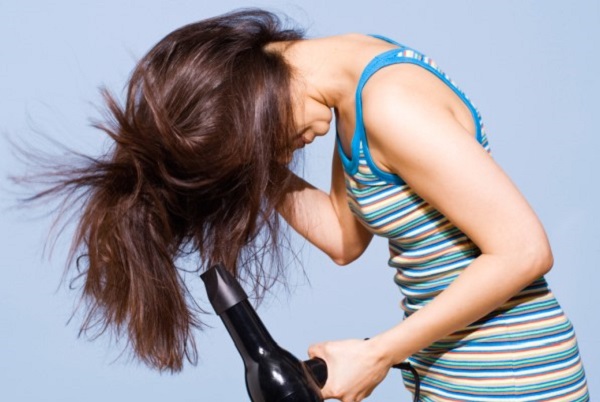
Blow drying your hair made easy

Have 15 minutes to spare, washed hair and a blow dryer? Read on to know how to blow-dry your hair.
by Ankita Pathak

How is it you never really look as put together as you do when you leave the salon after a professional blow dry? Is there magic to hair care and achieving the perfect blow dry or is it possible to do it yourself? Actually, it is quite possible, as long as you follow the right steps!

Getting a professional blow dry is like getting a shot of beauty adrenaline. The feeling you experience when you leave the salon is pure exhilaration. Nothing much has changed; your face is the same, and your weight is the same, but somehow you feel ten times more beautiful and infinitely more confident.

If you need help in the blow drying department, here’s what you need:

Time required: 15 to 30 minutes, depending on length and thickness of hair.

Tools: In order to achieve a salon quality blow out, you’ll need to add certain tools to your arsenal, such as a blow dryer, brush and serum. Go with a round hair brush with a barrel anywhere from 1 ¾ to 2 ½ inches.

– Pre-dry prep: Start with freshly-washed hair. If you have dry hair, condition in the shower. If you have fine hair, condition only the ends. Blot hair – never rub – with a towel to get rid of excess moisture. You can’t do a blow dry with really wet hair or it will take forever. If softness and shine is what your hair needs to remove the excess knots, use a dime-sized dollop of hair serum evenly through strands.

divide and clip– Divide and clip: Divide and clip your hair into two sections – top and bottom. To make it easier, draw a line with your index finger from above your ears. Right where your fingers meet becomes your top section. If you have bangs, leave them loose. Dry your bangs into place first to set them so they aren’t harder to tame at the end.

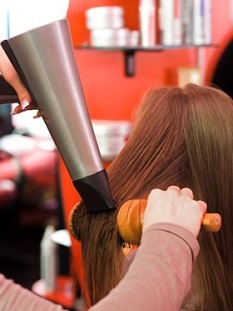
– Nozzle magic: Put the nozzle of your dryer and, beginning with the bottom section, wrap a 2- to 4-inch section of hair around a round brush and pull as taut as you can. Keeping the hair taut is 50 percent of the battle. Ensure that your dryer nozzle is pointing down the hair from roots to ends. This will also help with frizz.

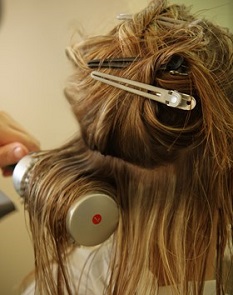
Continue through the top section until hair is dry. Finish off with a serum to weigh down random frizzy parts. Crucial points to note: do not apply nozzle use in blow dryingtoo much product. Gunking up your hair won’t help you get the style you crave; it will only weigh it down and prevent it from cooperating. Also, don’t dry hair that’s too wet. Your hair will take much longer to dry and be unnecessarily exposed to more heat. Lastly don’t over-dry your hair to a level where you can smell burnt hair. It’s a common mistake that can damage your strands. For volume on the top, hold the dryer under the brush and pull it down. Finally flip your hair upside down and shake it up!

Did you find these tips useful? Tell us about your blow drying adventures in the comments section below.

Categories
Guest writer

Chalta hai, yaar!

What is with this ‘Everything’s okay, let things be’ attitude so prevalent in our Mumbai? A worried Mumbaikar wonders aloud.
by Devashri Prabhu

Earlier in my discussions with my non-Mumbai based friends, I used to always brag about aamchi Mumbai. My sentences used to start like this: “My Mumbai has the best vada pav in the world!”, “Mumbai people are hardworking, simple and down to earth”, etc. Now, my non-Mumbai friends mock me that Mumbai is in recent years becoming famous for its chalta hai attitude.

It hit me hard. But there was some truth to what they said. You will agree if you have encountered any of the following in Mumbai:

1) ‘Doodh mein paani dala hai bhaiyya’

‘Chalta hai, madam.

2) ‘Arey uncle, yeh biscuit ka packet aap bech rahe ho, iski expiry date khatm ho chuki hai

Chalta hai, beti‘.

3) ‘Bhaiyya yeh 20 rupee ki note phati hai’

‘Chalta hai, madam’.

You hear the neighbourhood aunty’s cries; you know she is being beaten up by her husband. You want to intervene and try and help her but another neighbour will stop you, saying- “Yeh toh har jagah chalta hai. It’s okay, you don’t interfere in their matter”. How long have we been dealing with this chalta hai attitude and in how many areas?

Chalta hai here always?

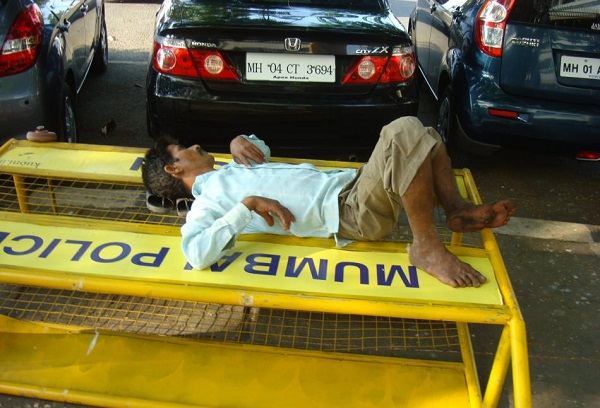
chalta hai On National Election Day, people prefer to not vote, because chalta hai – it will not make much difference. And after elections, if a complete idiot comes and sits on the political seat, people are free to say they knew it would happen, hence they did not vote. In a Bollywood film, it’s absolutely fine for the hero to constantly stalk, tease and pass comments on the heroine, but the audience says, “Chalta hai, hero yeh nahi karega toh kaun karega?” And then when we see eve-teasing raising its ugly head again and again in our city, we say it’s because of those films and what they show.

What is more surprising is considering this type of behaviour as normal. Why chalta hai?  May be because our daily activities take up all our time and such issues take a back seat. Another reason could be that we know somewhere at the back of our minds that we are simply procrastinating on dealing with the issues and finding the answers or maybe, we are just not bothered. We easily forget that these issues are inevitably related to our daily lives.

For instance, if we accept that mixing water in milk is a ‘normal’ thing then the bug called ‘food adulteration’ will slowly spread and ultimately attack our health system. National Election Day is a national holiday not so that we can take a family trip, but because we should go and execute the most important civic right – to vote. If you consider that no candidate suits your eligibility of a good leader, then use the ‘No Vote’ Art 49 O right to effect a negative voting, which was recently upheld by the Supreme Court of India.

No more chalta hai!

We talk at length of our fundamental rights, the facilities that we are entitled to, etc., but we forget what we ought to do as residents of this city. Our indifferent attitude will not help no chalta haiMumbai in any way. When we implicitly allow the chalta hai attitude in our daily life, we are agreeing to all the wrong doings happening in the city. The chalta hai attitude reflects inaction and passivity which is harmful for the welfare of Mumbai. This inaction has become the hallmark of our city, and it is in reality, the Mumbai Spirit.

Sporadic candle light marches are not going to help. We need to create a flame of change in our hearts. A change that is here to stay. Prepare forums where we can share each other thoughts and the happenings in our city. Use the social network to the fullest for this purpose. Go, sensitise the rickshawwallahs, taxiwallahs, hawkers on issues such as eve teasing. Health education, food adulteration are the issues which need to be taken up with the common man. Take the Government’s help if needed. And last but not the least – people, go vote! A small step does make a big difference. We need to celebrate Mumbai in the real sense and set an example to others ke Mumbai mein sirf Mumbaikar ka raaj chalta hai!

Devashri Prabhu has a Masters in Psychology and her interests lie in areas like Mental Health, Social Issues and Spirituality.

(Pictures courtesy adayinlife.timesofindia.com, www.projecteffexx.com, www.reddit.com) 

Categories
Wellness

What to eat for healthy hair

Dr Apoorva Shah writes a piece on how nutrition plays a role in the growth and maintenance of our hair.

Dr. Apoorva ShahHealthy looking hair is a reflection of good health. The health of your hair depends a lot on what you consume, as goes the famous saying ‘you are what you eat’. Without proper nutrition hair cannot thrive. Lack of certain nutrients can lead to slowed hair growth, dry and brittle hair, flaky scalp and hair loss. The answer to these hair and scalp problems is hidden in having a balanced diet and leading a healthy lifestyle.

Eating healthy food enables you to grow stronger and healthier cells throughout your entire body, which in turn strengthens your hair. Hair is made of protein; hence make sure you have an adequate amount of protein in your diet. For a healthy lifestyle and healthy hair production, certain foods play a very important role.

Here’s a list of some yummy food that can dramatically improve your hair:

Cottage cheese: Try low-fat cottage cheese for a protein-packed breakfast or lunch on the go when you don’t have time to cook eggs. Top it with some fresh berries for an added serving of fruit. Plus, cottage cheese is also a good source of calcium.

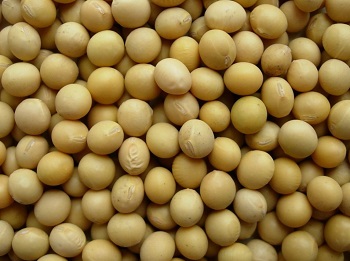
Soya beans: Soy is a great source of protein for vegans. It also contains a substantial amount of iron and Vitamin E. Iron is an important part of haemoglobin production. soya beansHaemoglobin is responsible for getting oxygen to the tissues of the body. Without it, your hair won’t grow. Vitamin E helps with the absorption of oxygen in the blood. Soya has flavonoids which help to treat Androgenic Alopecia.

Almonds: Almonds are good sources of vegetarian protein, iron and Vitamin E. They also help to lower cholesterol, helping you avoid having to take cholesterol-lowering drugs which actually cause hair loss.

Milk: Milk has absorbable iodine. It’s impossible to overdose on iodine from food sources. Only food sources like iodised salt may cause an overdose.

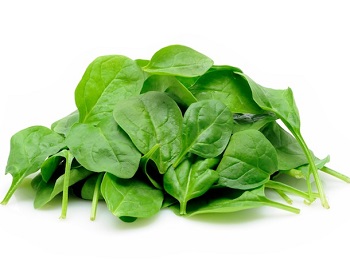
Spinach: Eat all the spinach you can for healthy hair. Spinach like broccoli and Swiss chard is an excellent source of Vitamins A and C, which your body needs to produce sebum. The oily substance, secreted by your hair follicles, is the body’s natural hair conditioner.

One should include Dark green vegetables which provide iron and calcium to hair and body.

Apart from eating the above mentioned food, you have to maintain a healthy lifestyle which would in turn result in beautiful lustrous hair. Smoking and lack of sleep can also affect how your hair looks and feels. Hormonal imbalances due to undisciplined life style have irreversible damaging impact on hair. Love your body and let your body love you back!

Dr Apoorva Shah is India’s leading and first certified trichologist, with over 25 years of experience in hair care. 

(Pictures courtesy respectnatural.wordpress.com, doctor.ndtv.com)

Categories
Wellness

Get rid of skin pigmentation naturally

If uneven skin tone, sun spots and blotchy skin are making you look old, we’ve got all the right solutions.
by Deepa Mistry

If you have been noticing a difference in your skin tone or patches, you might be suffering from hyperpigmentation.

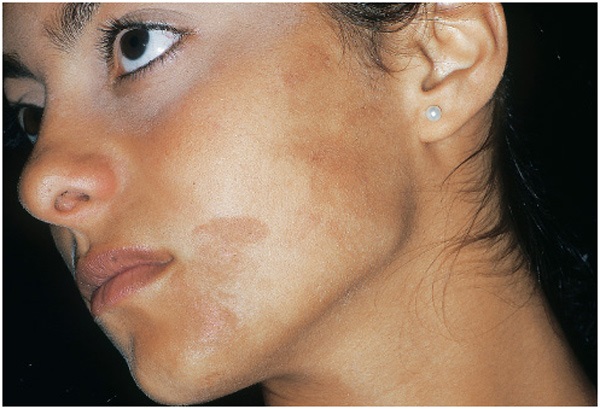
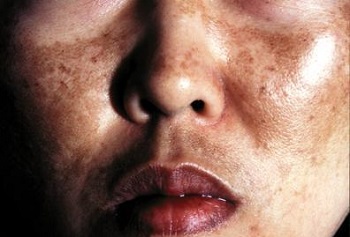
pigmentationPigmentation can be of two types – Hypopigmentation and Hyperpigmentation. Hypopigmentation (a decrease in skin pigmentation) is a condition in which patches of skin become lighter or whiter in colour than the normal surrounding skin, while Hyperpigmentation is characterised by a darkening of an area of skin caused by the overproduction of pigment or melanin and is commonly known and usually a harmless condition. Pigmentation occurs in people of any gender, race and age.

Pigmentation is caused due to genetics, sun exposure, stress, hormonal changes during pregnancy or birth control pills, menopause, insulin resistance, damage to the skin due to injury or overly aggressive skin care treatment, or even the frequent use of hair dyes. Tattoos may also cause it.

Some people also suffer from post-inflammatory hyperpigmentation, usually noticed after an acne breakout.  Since the face is exposed to most of the harmful factors, especially over-exposure of the sun, hyperpigmentation doesn’t only affect the face but can occur on almost any part of the body.

It can be an embarrassing condition at times, though it is mostly harmless. However, if the condition is serious you must visit a dermatologist at the earliest. Various treatments are available, like creams and laser treatments, chemical peels and light treatments, as they are the most preferred and tend to work on the skin faster and provide early recovery. But if you wish to treat pigmentation naturally and effectively without recourse to harsh and chemical-laden products, you could try some of the following home remedies on a regular basis.

Try these:

– The simplest: a paste of milk and honey on the affected areas. You can also mix curd with it. Since milk and curd contain lactic acid, they peel off the affected skin after a period of vegetable juicestime, leaving skin beautiful. This cure works wonders on hyperpigmentation.

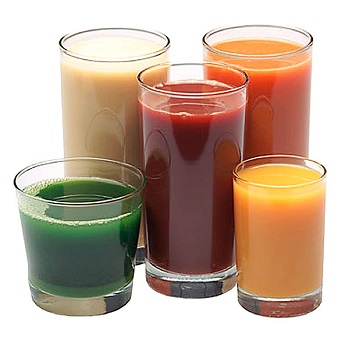
– Vegetable juices from tomatoes, cucumber and potato should be applied on skin. These lighten pigmentation and suit all skin types. This also leaves skin soothing and fresh all day. You could also try mixing lime juice with honey.

– Peel an avocado, mash it and apply the juice on pigmented skin.

– Vitamin E is a must in one’s diet as it is known as a skin Vitamin. Try massaging Vitamin E oil on pigmented skin as it requires more care than normal skin.

oatmeal face packFace masks can really work wonders over pigmented skin. Try these:

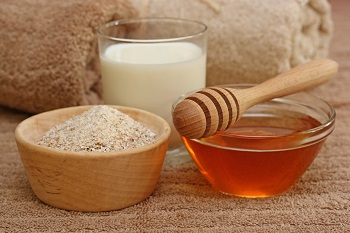
  • Oatmeal face pack: mix oatmeal, honey and milk. Apply and wash after it dries off completely.
  • Sandalwood pack: mix sandalwood powder and turmeric powder and milk. Apply on affected areas.
  • Orange peel: dry orange peel (powdered), cold raw milk and honey. Apply on affected areas and wash after half an hour.
  • Make a paste of mint leaves with a dash of milk and apply on affected areas. It soothes the skin.

– Use cocoa butter cream every day on skin.

– Aloe vera, olive oil and almond oil are the safest and most effective remedies for damaged skin.

– Last but not least, we recommend you apply sun screen before you step out. Direct exposure to the sun harms the skin and is one major reason for pigmentation.

– Practice yoga and avoid consumption of alcohol and cigarettes. This will not only help avoid pigmentation but also make skin look younger and glowing.

We hope our solutions help you solve your skin troubles and look beautiful again.

(Pictures courtesy foodtruthonline.com, www.stylecraze.com, www.beautyfrontline.com)

Categories
Beauty

Brush it off

One makeup product, so many brushes! If you’re wondering what to use when, it’s time to take a short tutorial.
by Ankita Pathak

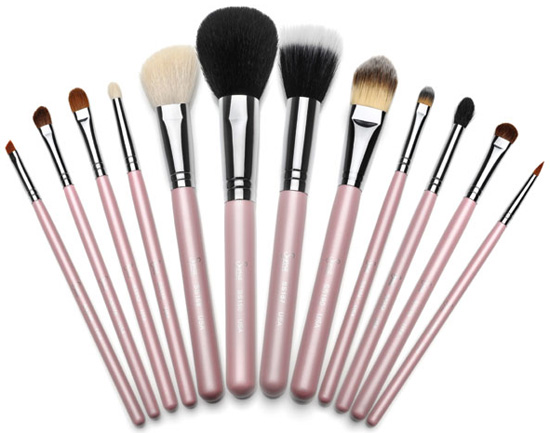
Let us just admit that the number of brushes that exist for a single makeup product can be overwhelming. And once you zone in on a specific shape, material, and brand, what exactly do you use it for? Well, that’s where we come into the picture! Read on for essential brushes that every girl should have and what they’re used for.

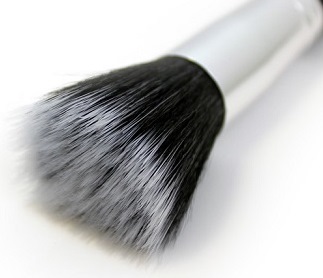
stipple brushThe Stipple Brush 

The flat head foundation brush, also known as the Stipple Brush, is perfect for a smooth foundation application. All you need to do is pour a little foundation on the back of your hand, dip the brush onto it and stipple it across your face. The flat head will give you an airbrushed, high-definition and even finish within seconds.

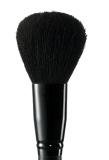
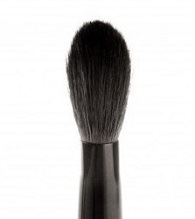
The Powder Brush

This fluffy brush is ideal for your compact and loose powders. The brush picks up less product than a normal puff and provides an even, matte finish on top of your foundation. Made with natural hair bristles, a powder brush is meant for the areas of the face that tend to shine: between your brows, around and on the tip of your nose, your upper lip and your chin. This allows the rest of your face to glow and breathe.

powder brush

eyeliner brushThe Eyeliner Brush

This flat stiff liner brush (in pic on left) is a great tool to apply liquid or gel liners in the inner and outer lash line. The stiff head makes it easier to apply the liner right next to your lashes, filling any extra gaps that your normal eyeliner brush fails to. For the cat-eye lovers, this is a must have brush as it’s a great little tool to create a precise and even line. Want to use this for more than eyeliner? Put it to use as a brow brush to fill in spots for fuller and dark brows.

The Blending Brushblending brush

As the name suggests, the blending brush can harmoniously blend shades by creating soft edges, without wiping away the colour of your eyeshadow. A windshield wiper motion with the brush can help in blending and mixing colour, just right for the smoky eye. Another use? Swap the brush to apply your concealer in areas difficult to reach.

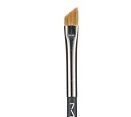
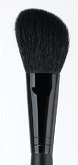
The Angled Blush Brush

The slanted shape of the angled blush brush offers precise application for a sculpted look. With the angled side, set the brush on your cheeks to sweep on that gorgeous blush colour. Turn the brush around and use the slimmer side for contouring with a bronzer or highlighter. This brush helps in highlighting the features as it enhances the hollows of your face for a great chiselled look.

angled blush brush

(Featured image courtesy missmwah.wordpress.com)

Exit mobile version