Categories
Deal with it

Parents, step up to save your child from abuse

What are you doing to save your child from being molested, abused? Start by being responsible for your child’s safety.

Pooja Birwatkarby Dr Pooja Birwatkar

Of late, newspapers are becoming a seriously scary read, especially for parents, as every other day there is news of molestation and sexual abuse, or rape of children. What is more appalling is that it is happening in schools, the so-called temples of learning. Schools are places where we send our children to learn and love life. Parents trust schools and send their beloved children there believing that the care and trust promised by schools would actually be provided.

Until now, many news items spoke primarily of horrendous men who committing such heinous crimes on innocent children, but there was a recent news item about a female school worker who sexually abused a small girl. I was shocked. So far, we have been shouting hoarse at schools to employ female attendants to deal with children, but now, I have to wonder: with whom are our kids safe?

The tiniest of bruises on our children makes our eyes well with tears. A smile on their faces brightens our day, and we strive to make their world a happy place. Every parents puts his or her best food forward for their child. But even as we try to shield them from the evils of the world, we have to step back and ask ourselves: For how long can we protect our children? One day our little one will grow up and be on his own. So far, we’ve taught our children to trust their elders in schools. Now even that myth has been rudely shattered. So what do we tell our children now?

I really wouldn’t mind home schooling my child, but who will monitor the tutor? There have been recent incidents of home tutors mercilessly beating up children as well.Stop child abuse

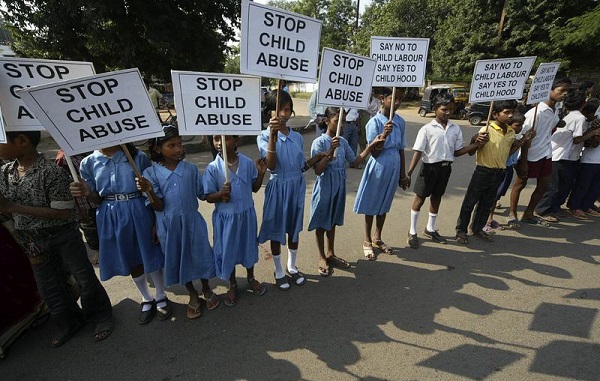
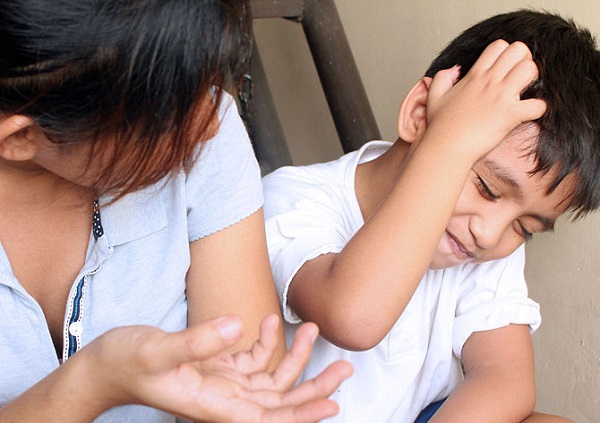
It is time for parents to take matters in their own hands. Firstly, however, parents must realise that abuse happens with little boys, too. Our concern towards the girl child as a potential victim somewhere dilutes our attention towards the male child. Some people think that abuse doesn’t happen with boys, and if it does, it is not such a serious matter. Well, hello – a child is a child, boy or girl. Some parents are also guilty of not reporting abuse that their little boys face.

As the days go by, we must strengthen our resolve to save our children from sexual abuse of any nature, verbal or physical. It is not merely enough for parents and teachers to say that they have educated their children about good touch and bad touch. I’ve got some ideas that might help:

  • Parents should make permanent groups which work towards such causes. When going to PTA meetings, wear badges that say this:
SO WHAT ARE YOU DOING FOR THE SAFETY OF OUR CHILDREN


If every single parent walks into school with such badges, schools will be pressurised to take extra care for our children’s safety.

  • Insist on written guidelines regarding safety from schools.
  • If some parents are well versed with training, join hands with schools to regularly conduct training sessions for teachers as well as school bus conductors, drivers, mausis and all staff on the school campus.
  • Conduct safety weeks in schools. Ensure that the school calendar does not make safety concerns just an annual feature.
  • Voice out your own experiences.
  • Those parents who send their children to school in private vans with no attendants, must try out the school buses provided by schools as a safety measure. However, try and closely monitor the behaviour of the attendants as well.
  • Be attentive to any behavioural changes in your child and trust what he or she says.
  • Teach your child to stand up without fear and report and untoward incident. Children should also be encouraged to report incidents of abuse they may have seen in school or other places.

Make a start. Take your child’s safety very seriously. Your child will thank you for your concern.

Dr Pooja Birwatkar is currently pursuing post doctoral research and working in the area of science education. She has been associated with the field of education in the past as a teacher educator, and her area of interest is research in education. 

(Pictures courtesy www.nation.lk, newshopper.sulekha.com)
Categories
Deal with it

Parenting in big, bad Mumbai

It is tough to devote quality time to our children, but only parents should shape their children’s lives, not technology and media.
Pooja Birwatkarby Dr Pooja Birwatkar

The other day my six-year-old boy was humming a song. While I was straining to catch the lyrics, he suddenly stopped and asked, “Mom, what is ‘wohka’?” To my blank look, he explained by humming a line, ‘Char bottle wohka, kaam mera roz ka’.

I was shocked and fumbled for an answer. I quickly went into a mental overdrive: how did he hear this song, we never play music channels on TV or in the car, he is not exposed to any TV content except restricted cartoon and news channels. So how had he heard this song? And when?

Lectures in child psychology sprang to my aid and I remembered what I had been taught: always tell a child the truth. So I told my son, ‘wohka’ was actually a drink for adults. He seemed satisfied with the answer, but I continued to be agitated, shooting a volley of questions about where he had heard the song. He finally said he had heard someone singing it and caught it.

Then I sat back and wondered: how long can I confine my child to spaces I have earmarked for him? I can physically control the TV set, expose him to less silly cartoons, but for how long? Most parents complain that their kids watch too much TV or are always on the mobile phone. Then they admit that they are unable to make much time for their children, thus resulting in the latter getting the run of the house.

Everybody’s right, parents and children, too. A place like Mumbai eats up valuable time for most parents commuting to and from work. On reaching home, there is no time to restSpend time with your children and play with their children. So we try to compensate by taking our children out to malls over the weekends, and feel that we are helping them create special childhood memories by giving them money to play in game zones.

What stops us from going to gardens and playing cricket or another sport with our children? Or just going to a beach and having a good game of Frisbee with them? Sure, Mumbai is very crowded and there’s no place to do anything. But the city is not short of nature and public parks – not using these spaces to bond with your child is criminal, and a cop-out.

Technology has invaded our lives and we can’t always stop our children from being exposed to its ills. What we can do is modify our own behaviour – and we can start by setting good examples of ourselves in front of our children. Don’t play on our phone or be hooked to social networking sites when you are home. Just think: a year ago, when you didn’t have as many apps on your phone, was your life not good enough? Do you really need all the new apps that are available?

A child who sees a parent devote more time to his phone than to the people inside the house is not going to obey when that parent tells them not to play mobile phone games. If you are going to shake your body to meaningless item songs with titillating lyrics, or worse, take your children along to watch an A-rated film, you lose the right to tell your child that these songs and films are bad for them. Children model themselves on their parents – it is a cliché, but you must practice what you preach or suffer the consequences.

After all, it is easier to reorganise our own lives and help our children make better choices, than to deal with disgruntled teens and young adults who would later blame you for not investing in their overall development, and leaving them to figure out their own way of living. It is not a question of whether I want my child to know that words like ‘vodka’ exist, but I want him to learn about these things in a scientific manner, rather than being exposed to them crudely. There is still time to undo the damage – rise up to the challenge, gear up for it, and don’t complain.

Besides, who said parenting was easy?

Read another take on the same issue here.

Dr Pooja Birwatkar is currently pursuing post doctoral research and working in the area of science education. She has been associated with the field of education in the past as a teacher educator, and her area of interest is research in education. 

(Pictures courtesy www.parentingnation.in, www.wikihow.com)

Categories
Deal with it

In the line of fire

There is no glory in death caused by negligence. A young firefighter’s death raises many questions about the profession and its hazards.
by Mamta D | @silverlightgal on Twitter

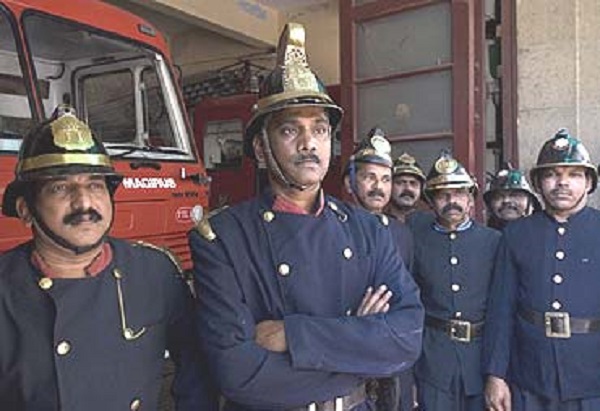
In the line of fireOn July 18, 2014, Nitin Ivalekar (inset, on left), a brave Mumbai firefighter, died after being trapped in the burning building of Lotus Business Park. The top floors of the building, a 22-storey commercial establishment in suburban Andheri, caught fire at around 11 am.

More than a dozen firefighters were sent in for the rescue operation, Nitin Ivalekar among them. Unfortunately, for him, the rescue operation turned fatal as he became one of the casualties instead of one of the survivors.

Nitin belonged to the Borivali Unit of the Mumbai Fire Brigade and was among the first group which responded to the fire call. Five others who were part of the group of firefighters participating in the rescue operations on Friday are said to be badly injured. This incident brings to light the precariousness of firefighter’s lives and the inadequateness of fire safety measures in India.

A few good men (or women)

In India, where society has always urged youngsters to pick ‘safe’ jobs like engineers, doctors, architects, and so on, there are hardly any takers for firefighter jobs. Someone once said, “All men are created equal, then a few become firemen”. The brave young men (and women) who opt for this hazardous and risk-filled profession belong to that ‘indispensable yet invisible’ category of people whom we take for granted. A fire in some building? Call the firemen. Fire doused? Call them heroes and pay them rich tributes – and then forget all about them. The firemen go back into the shadows, waiting there 24×7, until the next firefighting operation starts.

Firefighting as a profession

Signing up to be a fireman is not merely a matter of building up a steely resolve or determination. You must possess the requisite qualifications and fitness too. Typically, there are two entry levels — Fireman and Assistant Station Officer and from there on, you can become a Fire Officer-In Charge, Fire Officer, Sub Fire Officer, and so on. The minimum qualification you need in order to be a fireman is, passing Class VII. To apply for an Assistant Station Officer, however, you must be a science graduate, with chemistry as your principal subject. This is because your task may involve handling chemicals or may need good subject knowledge of chemicals.

You also have to go through rigorous physical tests and procedures if applying for the position of firemen or ASO.

Tracing history

It was around 1477 that the earliest incidents of fire protection in erstwhile Bombay began to be noticed. Back then, there were no motorised engines. Men would operate makeshift carts and horse drawn carriages to put out fires. Only centuries later, the Bombay Fire brigade officially began as a part-time police function. In 1865, the Bombay Fire Brigade came under the joint control of the Government and the Municipality. A formal Bombay Municipal Corporation Act was put into place in 1888 and since then, fire safety and fire control measures became the responsibility of the Corporation. It was only around in 1907 that the first motorised fire engine was commissioned in Bombay.

Current scenario

The firefighting services in India are still not well-organised or well-equipped. Many State-level fire departments lack specialised firefighting appliances. The communication systems used by the fire departments are often archaic. Also, lack of adhering to fire safety norms by builders and proprietors of high rises leads to incidents of fire which could have been easily avoided. Besides these, it is the citizens’ onus too. Do we as citizens keep ourselves informed about fire safety measures? Do we take simple yet necessary precautions to prevent fires on a daily basis?

A number of corporate establishments are nowadays conducting fire drills and mock firefighting exercises to educate their employees. Such initiatives are needed in housing societies too. Any person using cooking gas cylinders on a regular basis must be aware of the dos and don’ts of using them and must be aware of precautions and disaster control measures. Likewise, people using inflammable items should be alert and cautious.

If every citizen were more alert, prevented fires, or took appropriate controlling measures in case of fires, the loss to life and property would be minimal.

As it happens, today, we take the department of fire services for granted. Lest we forget, these men who risk their life and limb for us are family men, too. Some, like Nitin Ivalekar, leave behind a very young wife and little kids. Others leave behind aging parents, who were probably dependent on his income.

A little caution on our part can go a long way in preventing fires and avoiding casualties.

(Pictures courtesy www.mumbaimirror.com, outlookindia.com) 

Categories
Achieve

Mumbai Raj Bhavan wins first prize for energy conservation

The award was announced by the Maharashtra Energy Development Agency; Raj Bhavan won for its non conventional energy use efforts.
by The Editors | editor@themetrognome.in

Raj Bhavan, Mumbai, the office and residence of Maharashtra Governor K Sankaranarayanan has won the first prize for energy conservation at the 9th State Level Energy Conservation Awards announced by the Maharashtra Energy Development Agency.

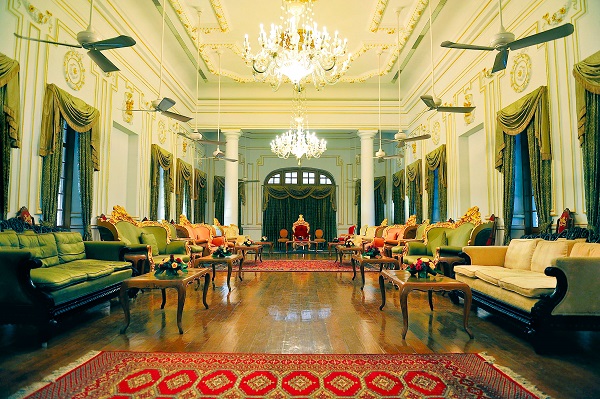
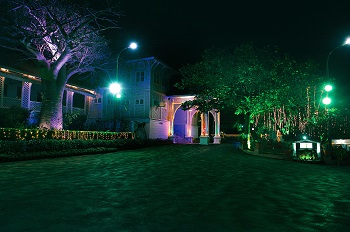
Banquet Hall as seen at nightThe award carrying a cash reward of Rs 1 lakh has been declared to Raj Bhavan in recognition of its efforts to promote the use of Non Conventional Energy and save conventional energy. This is second major recognition for the Raj Bhavan that was declared an ISO-certified organisation last year.

The Chhatrapati Shivaji Maharaj Hospital and Rajiv Gandhi Medical College, Kalwa, was declared as the winner of the second prize while the Telephone Exchange Building, Bhandara and TAX building, CTO Compound, Nagpur, were jointly selected for the joint third prize in the category ‘Government Buildings’.

A Solar power plant with a capacity to generate 40 KW of power was commissioned in Raj Bhavan in March 2013 with financial assistance from the Union Ministry for New and Renewable Energy. Some of the important buildings in Raj Bhavan, street lights inside the Raj Bhavan complex, tube lights and fans in the Governor’s Secretariat have been powered by solar energy. During the last two years, Raj Bhavan has replaced conventional lights with LED lights. Old power-consuming air conditioners have been replaced by power-efficient VRV units, while water heaters have been replaced by solar water heaters. Raj Bhavan had also implemented an awareness campaign to save power.

According to Vasant Salunke, Comptroller of the Governor’s Households, the power consumption of Raj Bhavan was reduced by 1.35 lakh units which translates into a saving of Rs 14 lakh per annum.

Other energy-saving initiatives include reducing water pumping hours, using LED tube lights, street lights, garden lights and office lights, replacing power consuming ceiling fans by 5 star rated ceiling fans, using 5 star air conditioners in place of old ACs, using VRV AC plants in place of water cooled package AC plants, and replacing water heaters with solar water heaters.

(Pictures courtesy Raj Bhavan,Mumbai)

Categories
Wellness

Smoking ups dementia risk

A recent report by WHO confirms that smoking increases dementia risk, like it is a factor in cancer and cardiovascular disease.
by Alzheimer’s Disease International (ADI)

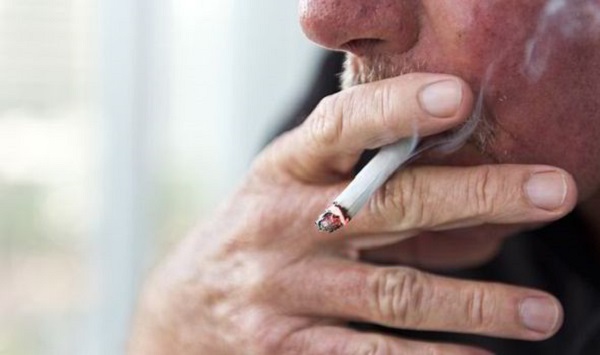
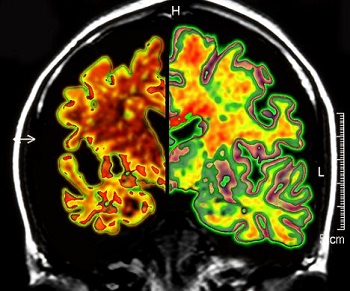
Smokers have a 45 per cent higher risk of developing dementia than non-smokers, according to information published recently by the World Health Organization (WHO), in collaboration with Alzheimer’s Disease International (ADI).

Evidence reviewed by WHO reveals a strong link between smoking and the risk of dementia, and the more a person smokes, the higher the risk. It is estimated that 14 per cent of Alzheimer’s disease cases worldwide are potentially attributable to smoking. WHO warns that exposure to second-hand smoke (passive smoking) may also increase the risk of dementia.

“Since there is currently no cure for dementia, public health interventions need to focus on prevention by changing modifiable risk factors like smoking,” says Dr Shekhar Saxena, Director of the Department for Mental Health and Substance Abuse at WHO. “This research shows that a decrease in smoking now is likely to result in a substantial decrease in the burden of dementia in the years to come.”

Tobacco use is already recognised as the one risk factor common to four main groups of non-communicable diseases (NCDs): cancers, cardiovascular disease, chronic lung disease and diabetes. “Tobacco is one of the biggest public health threats the world has ever faced, killing nearly six million people a year,” says Dr Douglas Bettcher, Director of the Department for Prevention of Noncommunicable Diseases at WHO. “WHO urges governments to actively implement and enforce the measures of the WHO Framework Convention on Tobacco Control, especially smoke-free environment laws and access to tobacco cessation services”.

Laurent Huber, Director of the Framework Convention Alliance (FCA) for Tobacco Control, comments: “It is no surprise to see these findings confirm that tobacco smoking is a major risk factor for dementia. This adds yet another item to the long list of the devastating consequences of tobacco and gives even more reason for personal and public health action to help people to quit smoking.”

“The research also shows that quitting smoking later in life might be beneficial so encouraging and supporting current tobacco users to quit should be a priority,” says Serge Gauthier, chair of the ADI’s Medical Scientific Advisory Panel.

Dementia affects more than 44 million people worldwide, with almost two thirds of them living in low- and middle-income countries. “Every year, there are 7.7 million new cases of dementia. In 2010, the global cost was calculated at US$ 604 billion, which represents 1 per cent of global GDP (gross domestic product),” says Marc Wortmann, ADI Executive Director. “No government can ignore the opportunity to link this new information into its planning and health system activities to reduce smoking and control NCDs.”

ADI believes that this information brief can form the basis for countries to add messages about brain health and dementia risk into public health anti-smoking programs and interventions.

(Pictures courtesy www.express.co.uk, www.dailymail.co.uk)

Categories
Wellness

How meaningful is your nostalgia?

With the ever changing nature of our metropolis, will getting nostalgic lose its meaning, or simply evolve into something else?
by Ritika Bhandari Parekh

RainfallLast week it rained for the first time this season, the way it rains only in Mumbai. And yet the leaking Metro train, the flooded roads and the emergence of a sea of black umbrellas didn’t excite my heart. When I think about it, it has all got to do with missing the earthy smell brought by the first showers. Maybe it is the fact that I live on a higher floor now, or that I no longer live at the place where I grew up, but that wonderful fragrance of the earth which heralds the Mumbai rains is gone.

Nostalgia is such a heady concoction of familiarity, not only through smell or taste, but also sight. Ask any newly married girl and she will vouch for how different the food tastes at her new home, just because it is not served in the same type of katori as she is used to. Who knew that stainless steel katoris could hold such strong memories? As for the married man, not only he has to appreciate the new style of cooking but the same ‘katori’ with a different flavour definitely needs some adjustment.

The beauty of nostalgia lies in its quality to penetrate us, unknowingly yet in a known manner. Remember that song your mother hummed while making rotis, doesn’t it stop you in your tracks even now? Or the firm handshake of your father which acknowledges your academic or sports success? Speaking of sports, the start of Wimbledon has to coincide with the monsoon in India, or else it really doesn’t hold the same thundering success for old timers. A bit of pitter-patter with some serve and volley and an all-white uniform code, and you are right there in England.

Research shows that nostalgia has evolved from a malady to being accepted as a universal feeling.  From helping the village boy cope with the pressure of finding a job in the dreamland called Mumbai, to giving emotional strength to newlyweds – nostalgia is good for humans, in general.

This New York Times article points out that “Nostalgia counteracts loneliness, boredom and anxiety. It makes people more generous to strangers and more tolerant of outsiders. Couples feel closer and look happier when they’re sharing nostalgic memories. On cold days, or in cold rooms, people use nostalgia to literally feel warmer.”

So what if the rains of today are different from the ones you were used to? Go ahead and take a splash in the rains, click a photo in your mind, make it your moment and relive it every time Mumbai is flooded. Let our buildings be torn down and our few public spaces disappear in the cosmic universe of malls and traffic, for as long as it rains, our chai pakoras are enough to transport us in the realm of a heaven called Bombay.

(Pictures courtesy physicsworld.com, lightnarcissus.com)

Exit mobile version