Categories
Campaign

When I lost my father to Alzheimer’s

The disorder can wreak havoc with a person’s life, and he or she can wither away before your eyes.

 

Humra Quraishiby Humra Quraishi

Those affected by the Alzheimer’s disorder change drastically, beyond recognition. Their memory becomes ‘polka dotted’, with only little islands of memory remaining. With pathological changes in the brain beginning to take place, the affected person’s lifestyle and personality, and everything else connected with them undergo a sharp transformation. The affected person may get into a shell or turn aggressive, or could sit looking lost and forlorn. And as the memory cells deteriorate and decline, the affected person finds it difficult to recognise his or her children.

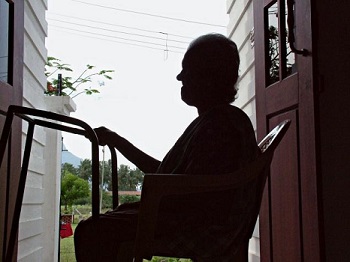
My family didn’t have the slightest clue about the Alzheimer’s Disorder (AD) until it struck home. My father, Iqtidar Ali Khan, started displaying symptoms soon after his retirement. He began forgetting mundane things and started slipping into depression. At times, he would sit all by himself, looking lost and forlorn, or else sit sobbing. When we would sit beside him and hold his hand, or hug him, he would feel reassured. We didn’t realise that there was something more to the apparent bouts of depression and forgetfulness.

Then, one day, my father got lost in the park. More such incidents followed. Though he had been driving for decades, he suddenly couldn’t drive with the same confidence. Then he lost the sense of roads and familiar settings.

Within weeks, my handsome and well-dressed father had changed. Earlier, he had been very particular about going to the club alzheimersfor tennis or going on long drives, but within a short period of time, all that changed. He seemed lost, shutting himself into a shell…his memory shrank with each passing day. In effect, this is what Alzheimer’s roughly all about: shrinkage of the memory cells and the consequent degeneration.
My father passed away in 1996, but a couple of years before that, he couldn’t recognise us. He just stopped recognising us. His eyes conveyed restlessness, as though he wanted to say much or as if he was trying his utmost to connect with us and reach out. Sometimes he would murmur sentences and recall some incident, long gone by; something from his childhood or young life, maybe. Occasionally he would burst into tears, sob like a baby, and even go looking for his dead mother or his siblings.

One incident, in particular, shattered us. We saw him looking for something he seemed to have lost. He moved about restlessly, peering under beds, behind sofas and doors. When we asked him what the matter was, he spoke with restless impatience, “Where are my children? I’m looking for them. They’re lost! Find my children…are they lost or what!”

We were standing right there, staring at him in utter disbelief, but he couldn’t recognise us.  He had been a doting father, helping us not just with our homework but even during the emotional turmoils of our lives. Always a family man, he would wait at the dining table and not eat before all of us had assembled for dinner or any meal. An engineer by profession, he would take us on his tours when he would supervise the construction of the various dams around Jhansi town.

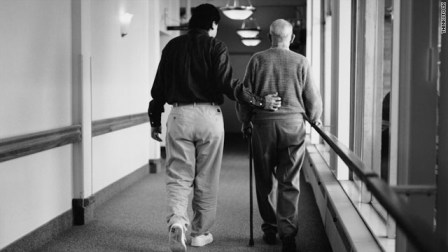
I cannot describe how difficult and traumatic it is to see these painful changes. It is important to mention here that the role of the immediate family is crucial. The only time my father would look a bit peaceful was when we sat close by, holding his hand, clasping him as if to reassure him. Human bonding takes care of much of the pain that an AD-affected goes through.

(Pictures courtesy thinkprogress.org, www.cnn.com. Images are used for representational purpose only) 
Categories
Event

Global poetry festival comes to Mumbai

Four days of music and readings by city-based poets will take place at Kitab Khana, at Fort, starting September 26.
by Medha Kulkarni

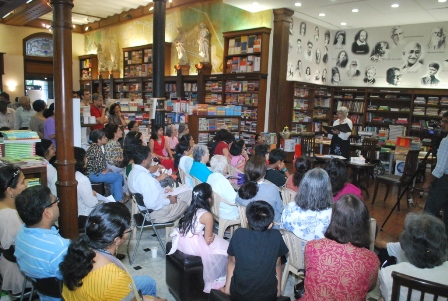
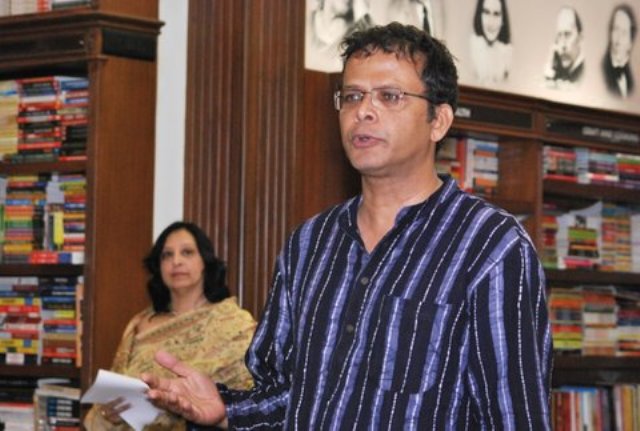
menka shivdasaniAs the third edition of the global movement 100 Thousand Poets for Change gains momentum around the world, Kitab Khana, the well-known book store in South Mumbai, will host a four-day poetry festival starting tomorrow. The event, curated by Mumbai-based writer Menka Shivdasani (in pic on left), takes place between September 26 and 29, 2013, and includes musical performances and readings by city poets. This is the second time that Kitab Khana is hosting the event in Mumbai.

On the first three days, the events take place at 6.00 pm. On Sunday, September 29, the programme begins at 10.30 am.

On September 27, in a programme coordinated by writer and artist Anjali Purohit, the focus will be on women’s lives. This event, entitled Holding up Half the Sky, will have music and poetry based on the three sub-themes of ‘Woman and work’, ‘Being woman’ and ‘Woman as daughter, mother, wife, lover and partner’. There will be musical recitals by Amarendra Dhaneshwar and Mukta Raste and readings by Anjali Purohit, Annie Zaidi, Dileep Jhaveri, Rochelle Potkar, Menka Shivdasani, Smita Sahay and Urvashi Pandya.

On September 28, which is the global day for 100 Thousand Poets for Change this year, classical singer Neela Bhagwat of the 100_thousand_poets_event_2012Gwalior gharana will perform her interpretations of Tagore’s compositions from her concert ‘Robi Anurag’; this will be followed by ‘Poems for Peace’ readings by city poets, including Ranjit Hoskote, Mustansir Dalvi, Hemant Divate, Anju Makhija, Pallavi Jayakar and Vivek Tandon.

For the final day of this festival, September 29 at 10.30 am, Rati Dady Wadia, a prominent educationist in Mumbai and former principal of Queen Mary School, is coordinating The Music of the Spheres, a programme with children, on the themes of peace and sustainability, along with an exhibition, Wonders of Nature. Students of the Bombay International School, Avabai Petit School, Bandra, JB Petit School, GD Somani School and Gopi Birla School will participate. Poems by Ayra Cama will also be presented.

The global movement, 100 Thousand Poets for Change (www.100tpc.org) began in 2011. An event that began primarily with poet organisers, 100 Thousand Poets for Change has grown into an interdisciplinary coalition with year-round events which includes musicians, dancers, mimes, painters and photographers from around the world.

“Peace and sustainability are major concerns worldwide, and the guiding principles for this global event,” says Michael Rothenberg, Co-Founder of 100 Thousand Poets for Change. “We are in a world where it isn’t just one issue that needs to be addressed. A common ground is built through this global compilation of local stories, which is how we create a true narrative for discourse to inform the future.”

For more information, contact Menka Shivdasani on menka.shivdasani@gmail.com

(Pictures courtesy 100 thousand poets for change on Facebook, www.100tpc.org. Images are from last year’s event at the same venue)

Categories
Trends

Need blood tests? Don’t step out of home

You can get your blood work done and X-rays taken in the comfort of your home. We tap the trend.
by The Editors | editor@themetrognome.in

Mulund resident Sushila Paranjape (56) suffers from diabetes, and for the last two years, a recurring back problem that makes sitting impossible. “I need physiotherapy twice a week, and a blood test once a month. However, the local pathology laboratory is always crowded, and last year, I stopped going for blood tests because the lab could never do my blood work immediately and I had to wait for a long time.”

Her physiotherapist suggested that she call blood technicians home. “I was initially hesitant because I thought that it would cost me more to get the technicians home, but I found that the laboratory also did home blood testing at a very nominal home visit cost. They were very quick and the results came back within a few hours. Now I don’t go to the laboratory myself unless I am assured of immediate attention.”

Like Sushila, there are several others who are increasingly getting their testing done at home. “It’s faster and I am more relaxed because it happens in the comfort of my home,” says Santacruz resident Ruchit Hattangady (36), who gets a check-up done every six months. “Not just blood tests, the local hospital near my house also offers urine testing, lipid profile and other tests. I call them as per my convenience and I get the results the next day,” he says.

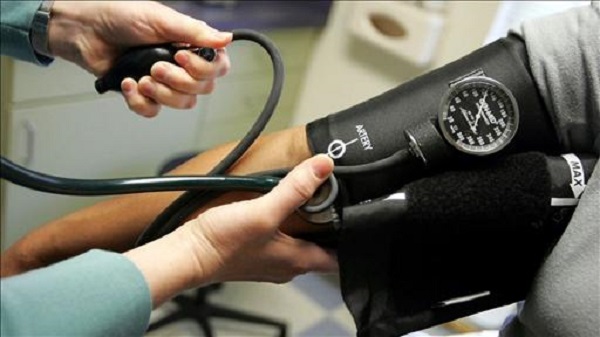
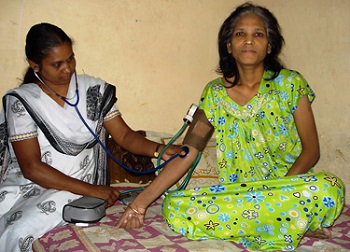
blood test at homeThe trend is catching on

Several diagnostic facilities and hospitals are now offering ‘testing packages’, where patients can choose which tests they want to undergo and pay as per the particular package they select. “For instance, we offer a package where we do a variety of tests through just one blood sample, right from Vitamin D levels to bilirubin, and from blood sugar to blood cholesterol levels,” says a technician attached to a private hospital in Powai. “There are some 20 tests in the most basic package, and most people opt for it. However, there are others who want more tests, such as bone and muscle strength tests, for which we offer separate packages.”

A single such package may contain a minimum of 10 tests and may be priced Rs 1,500 and above. Says Dr Shashank Ahuja, a cardiologist, “We find that many patients are hesitant about undergoing a battery of tests at private hospitals, where every test comes with prohibitive costs. They are happy going to a diagnostic lab they trust and get a range of tests done at a lesser cost. Also, labs are presenting the results in a detailed manner, so with a bit of research, even the patient understands the state of his or her health.”

Even X-rays can be taken at home

In Mumbai, there are at least three private clinics offering the option of getting an X-ray taken at home. “People are always short of time, and X-ray machines are more portable and light-weight than they used to be, so carrying them to the patient’s home is not an issue,” says a technician. “Of course, the price of this facility is higher than the money one would spend in getting it done at a hospital. But people are willing to pay.”

Three years ago, a company in Thane started manufacturing kits for malaria testing for as low as Rs 30. “A person could purchase the kit from a chemist but the blood would have to be drawn by a technician. Doctors also feel that the test is a fairly accurate one and since it is so cheap, even the poor will not hesitate to get themselves tested,” said the manufacturer of the kit.

A diagnostic facility in Mumbai said that recently, a family requested for cardiac testing on a 74-year-old man to be done at home. “Since this requires a stress test and a treadmill test, we tied up with a local gym to conduct part of the test there. We are now looking at offering cardiac testing at home, though the costs will be higher,” says a spokesperson for the facility.

Names of diagnostic facilities and hospitals have been withheld.

(Pictures courtesy www.nyu.edu, online.wsj.com. Images have been used for representational purpose only) 

Categories
Campaign

City hosts three dementia seminars

Dementia and Alzheimer’s awareness seminars at three places in the city reached out to several relevant stakeholders. A pitch report.
by The Editors | editor@themetrognome.in

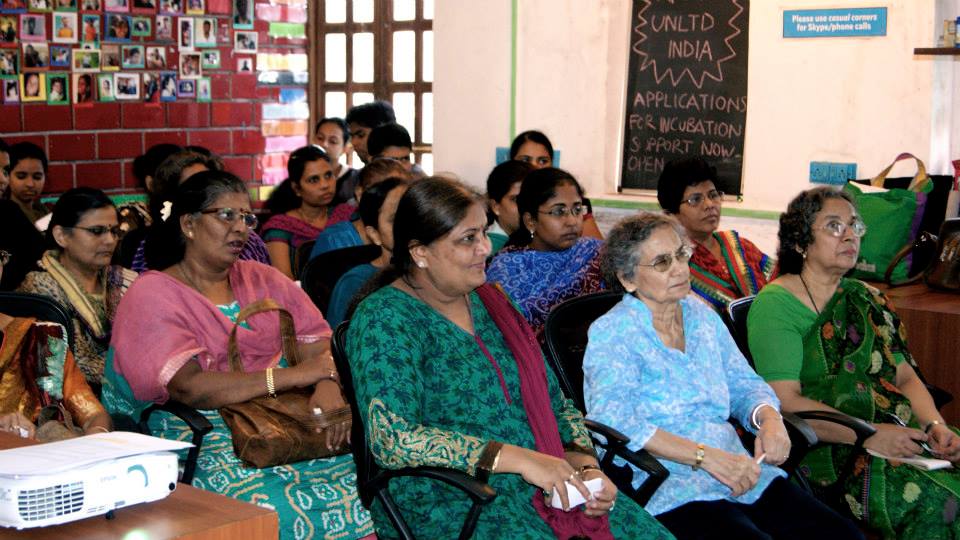
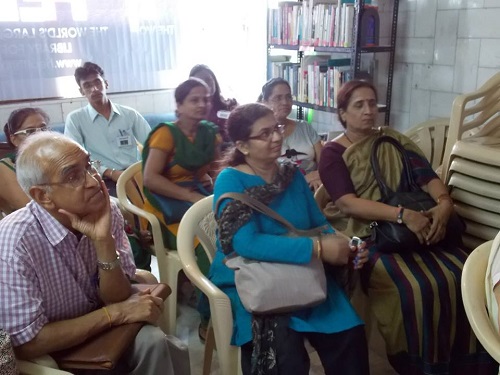
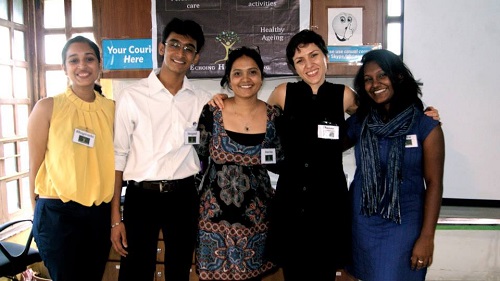
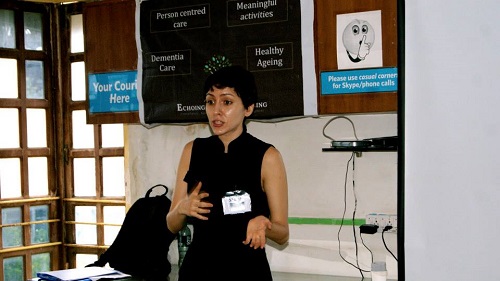
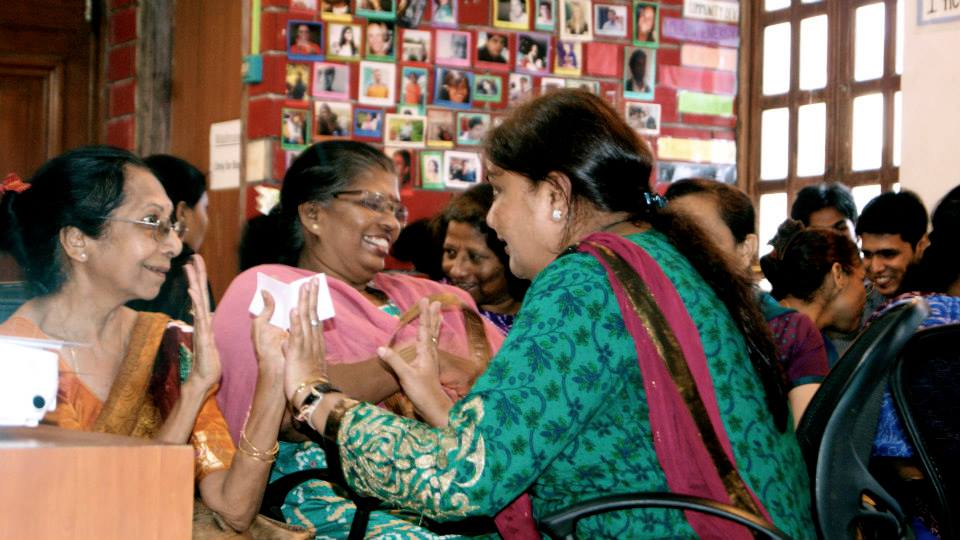
The Mumbai-based social enterprise, Echoing Healthy Aging (EHA) organised seminars on dementia and Alzheimer’s at venues in South Mumbai, Mulund and Bandra last week. The seminars, titled ‘Dementia Sense’ were held to coincide with September 21, World Alzheimer’s Day.

The seminars got a very good response from participants and especially from stakeholders such as nursing schools, caregivers, family members of dementia sufferers, occupation therapists, matrons and nursing tutors, among others.

A senior nurse from Bhakti Vedant Hospital said, “As a nurse, very often I come across old patient [suffering] with Alzheimer’s. I always found it difficult to understand their behaviour. This seminar helped me understand the point of view of the person with dementia and the five golden rules given in the seminar will definitely help me to work more efficiently in caring for patients with dementia.”

Added a senior lecturer from Sion Hospital’s nursing school, “It is time for us to change our attitudes towards this chronic disease ‘dementia’, and support families of people living with dementia. I hope more such seminars are conducted more often, and they will make people realise that people living with dementia too can have a good quality of life.”

‘I had to put variety of locks on my front door,so that my husband diagnosed with severe dementia, doesn’t go out of house and forget his way back home. But this caused more agitation and aggression in him. This seminar gave me tips to solve this problem and they are simple and easy to implement. It will also give my husband a sense of independence and at the same time, I can keep him safe,” explained a family caregiver of a person suffering from dementia.

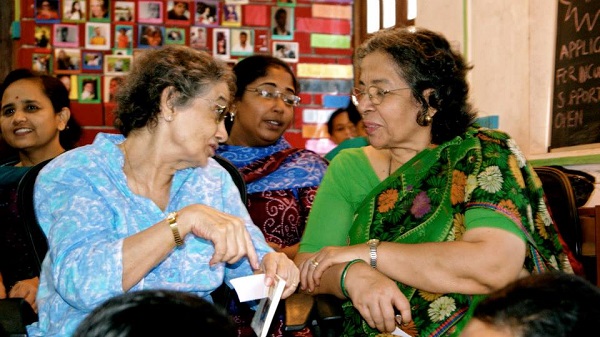
See a few pictures from the event:


(Pictures courtesy EHA)
Categories
Tech

On the (sur)face of it

What is the ‘Surface’ that’s got everyone’s attention since yesterday? Our tech writer gives the dope on Microsoft’s newest offerings.
by Manik Kakra

Microsoft’s previous Surface efforts did not prove to be very fruitful. Their sale figures were not very impressive, and the company had to write down a huge loss from the devices. Yesterday, in its Surface event, Microsoft released two new tablets – Surface 2 and Surface Pro 2 – to take on the iPad as well as make some efforts to better Microsoft’s position in the mobile space.

Surface 2Surface 2: The Surface 2, like the original Surface, is meant for Microsoft’s RT platform. The tablet runs on Windows RT 8.1, and comes pre-loaded with apps like Outlook RT and MS Office. Under the hood, there is a 1.7 GHz quad-core nVidia Tegra 4 SoC, along with 2 GB of RAM. It boasts a 10.6-inch ClearType full HD screen, and comes in 32 GB and 64 GB storage options. While the rear has a 5 MP camera, the front has a 3.5 MP camera, and both can do HD videos. Other features include Bluetooth 4.0, WiFi a/b/g/n, 3.5 mm headset jack, dual stereo speakers, card reader and USB 3.0. Among freebies, users will get a year of free Skype call and also 200 GB of cloud storage on SkyDrive for two years. The tablet can be pre-ordered on Microsoft’s website (http://www.microsoft.com/surface/en-us/pre-order), but not for the Indian market. The 32 GB model costs $449 and the 64 GB model $549.

Surface Pro 2: The Surface Pro 2 (see main image above) is the tablet to get if you need full-fledged Windows 8 functionality. The tablet is powered by Intel’s 4th generation Haswell chipset, along with 4 GB (or 8 GB, depending on model) RAM. Having the same 10.1-inch HD screen, the Surface Pro 2, and comes in 64 GB, 128 GB, 256 GB and 512 GB storage options. You also get a Pro Pen to be used on the tablet’s screen. You can buy one ffrom $899 up to $1,799, depending on the model.

Microsoft has also introduced Type Cover 2, which can be used with both these Surface devices. It has got backlit keys and comes in black, blue, pink and purple. Apart from that, a new Power Cover was also shown. This one is meant to be attached with your tablet in order to increase its battery life (MS claims two and a half times the original battery) without adding too much bulk.

Categories
Campaign

10 warning signs for Alzheimer’s

How do you know if your loved one is suffering from dementia or Alzheimer’s? Use this checklist to know more.
by Sailesh Mishra, Silver Innings Foundation and Alzheimer’s Association National Office, Chicago

Dementia is a general term to denote a progressive degenerative disease of the brain resulting in loss of memory, intellectual decline, behavioural and personality changes. Mostly older people above 60 years of age are affected by this condition. In Latin, ‘dementia’ means irrationality, and this disorder results in a restriction of daily activities, and in most cases, leads in the long term to the need for care. There are many forms of dementia, the most common one being Alzheimer’s disease.

alzhiemersAlzheimer’s knows no social, economic, ethnic or geographical boundaries and affects people throughout the world. It is estimated that every seventh person in world will suffer from some form of dementia.

There is no cure for the disease, but some treatment and therapy is available to stabilise and arrest the progress of the disease. Here’s what you should watch out for if you think a loved one may be suffering from dementia or Alzheimer’s, and what is normal behaviour:

#1) Memory loss that disrupts daily life

One of the most common signs of Alzheimer’s is memory loss, especially forgetting recently learned information. Others include forgetting important dates or events; asking for the same information over and over; relying on memory aides (such as reminder notes or electronic devices) or family members for things they used to handle on their own.

What’s typical? Sometimes forgetting names or appointments, but remembering them later.

#2) Challenges in planning or solving problems

Some people may experience changes in their ability to develop and follow a plan or work with numbers. They may have trouble following a familiar recipe or keeping track of monthly bills. They may have difficulty concentrating and take much longer to do things than they did before.

What’s typical? Making occasional errors when balancing a checkbook.

#3) Difficulty completing familiar tasks at home, at work or at leisure

People with Alzheimer’s often find it hard to complete daily tasks. Sometimes, people may have trouble driving to a familiar location, managing a budget at work or remembering the alzheimer'srules of a favourite game.

What’s typical? Occasionally needing help to use the settings on a microwave or to record a television show.

#4) Confusion/disorientation with time or place

People with Alzheimer’s can lose track of dates, seasons and the passage of time. They may have trouble understanding something if it is not happening immediately. Sometimes they may forget where they are or how they got there.

What’s typical? Getting confused about the day of the week but figuring it out later.

#5) Trouble understanding visual images and spatial relationships

For some people, having vision problems is a sign of Alzheimer’s. They may have difficulty reading, judging distance and determining colour or contrast. In terms of perception, they may pass a mirror and think someone else is in the room. They may not realise they are the person in the mirror.

What’s typical? Vision changes related to cataracts.

#6) New problems with words in speaking or writing or problems with language

People with Alzheimer’s may have trouble following or joining a conversation. They may stop in the middle of a conversation and have no idea how to continue or they may repeat themselves. They may struggle with vocabulary, have problems finding the right word or call things by the wrong name (e.g., calling a “watch” a “hand-clock”).

What’s typical? Sometimes having trouble finding the right word.

#7) Misplacing things and losing the ability to retrace steps

A person with Alzheimer’s disease may put things in unusual places. They may lose things and be unable to go back over their steps to find them again. Sometimes, they may accuse others of stealing. This may occur more frequently over time.

What’s typical? Misplacing things from time to time, such as a pair of glasses or the remote control.

alzheimer's #8) Decreased or poor judgment

People with Alzheimer’s may experience changes in judgment or decision-making. For example, they may use poor judgment when dealing with money, giving large amounts to telemarketers. They may pay less attention to grooming or keeping themselves clean.

What’s typical? Making a bad decision once in a while.

#9) Withdrawal from work or social activities/loss of initiative

A person with Alzheimer’s may start to remove themselves from hobbies, social activities, work projects or sports. They may have trouble keeping up with a favourite sports team or remembering how to complete a favourite hobby. They may also avoid being social because of the changes they have experienced.

What’s typical? Sometimes feeling weary of work, family and social obligations.

#10) Changes in mood and personality

The mood and personalities of people with Alzheimer’s can change. They can become confused, suspicious, depressed, fearful or anxious. They may be easily upset at home, at work, with friends or in places where they are out of their comfort zone.

What’s typical? Developing very specific ways of doing things and becoming irritable when a routine is disrupted.

The Metrognome is committed to the cause of Alzheimer’s and dementia awareness through all of September 2013. If you want to share information or anecdotes related to Alzheimer’s or dementia, write to editor@themetrognome.in and we will feature it.

(Pictures courtesy www.webicina.com, www.firstpost.com, www.thehindu.com, www.indianexpress.com)

Exit mobile version